


Patients often use the term “bat wings” to describe any unwanted upper-arm fullness or sagging. In reality, the concern may come from localized fat, loose skin, or a combination of both. Identifying the cause is the most important step in choosing the right procedure.
Arm liposuction is generally better when the main concern is stubborn upper-arm fat and the skin remains firm and elastic. An arm lift, also called brachioplasty, is generally better when the main concern is loose, hanging, stretched, or crepey skin. When both fat and skin laxity are present, combining liposuction with an arm lift may produce the most complete contour improvement.
Arm Lift vs. Arm Liposuction: Side-by-Side Comparison
The simplest way to compare the procedures is to ask whether the unwanted volume is primarily inside the arm as fat or outside the arm as excess skin. Skin elasticity, weight history, scar tolerance, recovery needs, and the amount of tissue involved also affect the recommendation.
| Consideration | Arm Liposuction | Arm Lift (Brachioplasty) |
|---|---|---|
| Primary purpose | Removes localized upper-arm fat | Removes loose, hanging upper-arm skin and reshapes the arm |
| Best suited for | Full or bulky arms with relatively firm, elastic skin | Sagging, stretched, deflated, or crepey skin, often after weight loss or aging |
| Skin removal | No | Yes |
| Fat removal | Yes | Can be included when needed |
| Incisions and scars | Small access incisions | A longer incision, often extending along the inner or back portion of the upper arm |
| Recovery | Usually shorter and focused on swelling, bruising, soreness, and compression | Usually more involved because an incision must heal and arm movement may be restricted |
| Important limitation | Cannot remove significant loose skin | Requires accepting a visible surgical scar |
| May be combined? | Yes. Liposuction can reduce fullness while brachioplasty removes the skin that remains. | |
Real Upper-Arm Contouring Before and After
Before-and-after images can demonstrate how much smoother and more proportional the upper arms may look after a customized surgical plan. They cannot, by themselves, determine whether another patient needs liposuction, an arm lift, or both.


Real Monarch Plastic Surgery patient. Individual anatomy, procedures, healing, photograph timing, clothing, lighting, positioning, and results vary. A consultation is necessary to determine which treatment is appropriate. View additional brachioplasty before-and-after photographs.
What Causes “Bat Wings” on the Upper Arms?
The phrase “bat wings” may refer to more than one anatomical concern. Some patients have a thicker layer of fat beneath skin that still has good tone. Others have relatively little fat but significant skin laxity. Many have both.
Common contributing factors include genetics, aging, weight fluctuations, major weight loss, pregnancy-related body changes, and a natural decline in skin elasticity. Strength training can improve the underlying muscle, but it cannot selectively remove localized fat or excise skin that has lost the ability to retract.
If the arm looks mostly full and the skin springs back well when gently pinched, fat may be the dominant concern. If the tissue folds, hangs, wrinkles, or swings after the arm is raised, skin laxity may be more important. This is not a diagnosis, but it explains why two people who both dislike “bat wings” may need completely different procedures.
When Arm Liposuction May Be Enough
Upper-arm liposuction removes localized fat through small incisions using a thin tube called a cannula. It is a contouring procedure rather than a weight-loss treatment. The strongest candidates usually have stable weight, a defined pocket of unwanted fat, and skin with enough elasticity to adapt to the smaller underlying volume.
Arm liposuction may be appropriate when:
- The arms look full, thick, or disproportionate rather than significantly saggy.
- The skin is reasonably firm and elastic.
- There is little hanging skin when the arms are raised.
- The goal is a slimmer contour rather than skin removal.
- The patient understands that liposuction cannot correct substantial laxity.
This limitation matters. Removing fat from an arm with poor skin elasticity can make the arm smaller without making it tighter. In some patients, the remaining skin may appear looser after the underlying volume is reduced. The American Society of Plastic Surgeons similarly notes that firm, elastic skin tends to produce better liposuction results and that extra skin may require a separate tightening procedure.
When an Arm Lift May Be the Better Choice
An arm lift, or brachioplasty, removes excess skin and tissue from the upper arm. Depending on the amount and location of laxity, the incision may remain closer to the underarm or extend farther toward the elbow. The objective is not simply to make the arm smaller; it is to create a smoother transition from the underarm toward the elbow while preserving natural proportion.
An arm lift may be more appropriate when:
- Loose skin hangs or swings when the arms are lifted.
- The skin appears stretched, deflated, folded, or crepey.
- Significant weight loss has left excess upper-arm skin.
- The arm remains lax despite stable weight and regular exercise.
- Liposuction alone would leave too much unsupported skin.
- The patient accepts a longer scar in exchange for meaningful skin removal.
For many patients, the central decision is not whether they prefer a scar. It is whether the improvement possible from removing the loose skin is worth that scar. A careful consultation should explain the likely incision length, location, healing process, and visibility before surgery is scheduled.
When Arm Lift and Liposuction Work Better Together
It is common for an upper arm to contain both excess fat and loose skin. In that situation, liposuction and brachioplasty perform different but complementary jobs. Liposuction can reduce fullness and refine the arm’s circumference, while the arm lift removes the skin that would not contract adequately on its own.
A combined plan may be considered when the arms are both bulky and lax, when weight loss has left remaining fat beneath loose skin, or when contour transitions around the underarm and upper back need additional refinement. The amount of liposuction used during an arm lift must be planned around blood supply, tissue quality, healing, and overall surgical safety.
Not every patient needs both procedures, and more surgery is not automatically better. The safest, most effective plan is the least extensive procedure—or combination of procedures—that can realistically address the patient’s actual anatomy and goals.
Arm Lift Scar vs. Arm Liposuction Scars
Scarring is the clearest tradeoff between these procedures. Arm liposuction is performed through small access incisions, which usually create limited scars. An arm lift requires a longer incision because skin cannot be removed without making an opening large enough to excise and redrape the tissue.
Arm lift scars are commonly placed along the inner or back portion of the upper arm. Their exact length depends on how much skin must be removed and where the laxity is located. Scars are initially more noticeable and generally soften and fade over time, although they do not disappear completely.
Patients should ask where the scar would sit when the arms are resting, whether the incision may extend toward the elbow or chest, how the practice manages scar care, and how personal factors such as skin type, smoking, prior scars, and healing history may influence the final appearance.
Recovery After Arm Liposuction vs. Arm Lift
Arm liposuction usually involves swelling, bruising, soreness, temporary firmness or numbness, and use of a compression garment. Initial recovery is commonly shorter than brachioplasty, but the treated volume, technique, occupation, and other procedures performed at the same time can change the timeline.
Arm lift recovery requires more protection because the incision and deeper tissues must heal. Monarch’s brachioplasty guidance notes that incisions often heal over approximately two to three weeks, many patients may return to work in one to two weeks depending on their job, and unrestricted activity often returns around four to six weeks after surgeon clearance. Individual recovery can be faster or slower.
Patients who lift children, perform physical work, sleep with their arms overhead, or participate in upper-body exercise should discuss those activities before surgery. Planning practical help at home can be as important as planning time away from work.
Which Procedure Sounds More Like Your Situation?
Arm liposuction may fit better when:
- Your main concern is localized fat.
- Your skin is firm and resilient.
- You have minimal hanging tissue.
- You prefer smaller incisions.
- You understand that skin removal is not included.
An arm lift may fit better when:
- Your main concern is loose skin.
- Your arms look deflated after weight loss.
- The tissue folds or hangs when raised.
- You want actual skin removal.
- You understand and accept the scar tradeoff.
Good surgical candidates are generally in stable health, at a reasonably stable weight, able to stop nicotine use as directed, and prepared to follow postoperative restrictions. A personal medical history, medications, previous surgery, healing tendencies, and future weight-loss plans must also be considered.
What Patients Should Understand About Risks
Both arm liposuction and brachioplasty are surgical procedures. Potential risks may include bleeding, infection, fluid accumulation, delayed wound healing, contour irregularity, asymmetry, changes in sensation, unfavorable scarring, anesthesia-related complications, and the possibility of revision surgery. An arm lift also carries incision-specific risks because a longer wound must heal.
Risk cannot be eliminated, but it can be reduced through appropriate patient selection, a qualified plastic surgeon, accredited surgical facilities, careful technique, nicotine avoidance, and adherence to preoperative and postoperative instructions. The risks relevant to one patient may differ from those relevant to another.
How Monarch Plastic Surgery Evaluates the Right Plan
At Monarch Plastic Surgery & Skin Renewal Center, the decision is based on more than the amount of tissue visible in a photograph. During an in-person consultation, the arms are evaluated for fat thickness, skin elasticity, tissue quality, scar position, arm-to-shoulder proportion, weight history, and how the contour changes when the arms move.
The discussion should also identify what bothers the patient most. Someone who primarily dislikes arm size may prioritize a different outcome than someone whose main concern is hanging skin, rubbing, clothing fit, or visible movement of the tissue.
Dr. Carmen Kavali, a board-certified plastic surgeon, and Dr. Teri N. Moak, a fellowship-trained aesthetic plastic surgeon, provide customized body-contouring consultations for patients from Sandy Springs, Buckhead, Atlanta, and surrounding communities.
Frequently Asked Questions About Arm Lift vs. Arm Liposuction
Is an arm lift or arm liposuction better for bat wings?
It depends on what creates the bat-wing appearance. Liposuction may be appropriate when the issue is localized fat and the skin is firm. An arm lift is usually more effective when loose, hanging skin is the dominant concern. Some patients need both.
Can arm liposuction tighten loose skin?
Liposuction can improve contour when elastic skin contracts after fat removal, but it does not surgically remove skin. Significant laxity, crepey skin, or hanging tissue generally cannot be corrected with liposuction alone.
Does an arm lift remove fat too?
An arm lift primarily removes excess skin and reshapes the upper arm. Liposuction may be added when unwanted fat also contributes to the contour, but the amount and technique depend on the patient’s anatomy and surgical plan.
Can an arm lift and arm liposuction be performed together?
Yes. Combining them can be helpful when both excess fat and loose skin are present. Liposuction reduces fullness, while brachioplasty removes the skin that remains. Safety and tissue blood supply guide how the procedures are combined.
Will an arm lift leave a visible scar?
Yes. Brachioplasty requires a longer incision, commonly placed along the inner or back portion of the upper arm. The scar generally fades and softens with time but remains permanent. The likely scar should be discussed before surgery.
Is arm liposuction less invasive than an arm lift?
Arm liposuction uses smaller incisions and usually has a shorter initial recovery. However, choosing the less extensive procedure is only beneficial when it can address the actual problem. Liposuction is not an effective substitute for skin removal when laxity is significant.
Can exercise get rid of loose upper-arm skin?
Exercise can strengthen the triceps and other upper-arm muscles, which may improve overall definition. It cannot remove skin that has been significantly stretched or has lost elasticity, and it cannot selectively eliminate a localized fat deposit.
How long do arm-contouring results last?
Results can be long-lasting when weight remains stable and healthy habits are maintained. Aging continues, and major weight changes can alter the contour. Liposuction permanently removes treated fat cells, but remaining cells can enlarge with weight gain.
ASPS: Arm Lift
ASPS: Liposuction
Monarch Brachioplasty Guide
Monarch Liposuction Guide
Arm Lift Gallery
Medical disclaimer: This page provides general educational information and is not a diagnosis, treatment recommendation, or substitute for a consultation with a qualified medical professional. Procedures, candidacy, risks, scars, recovery, and results vary by patient. Before-and-after photographs show one patient’s outcome and do not guarantee a similar result.
Find Out Whether Your Concern Is Fat, Loose Skin, or Both
A personalized examination is the only reliable way to determine whether arm liposuction, an arm lift, or a combined approach can best match your anatomy and goals.
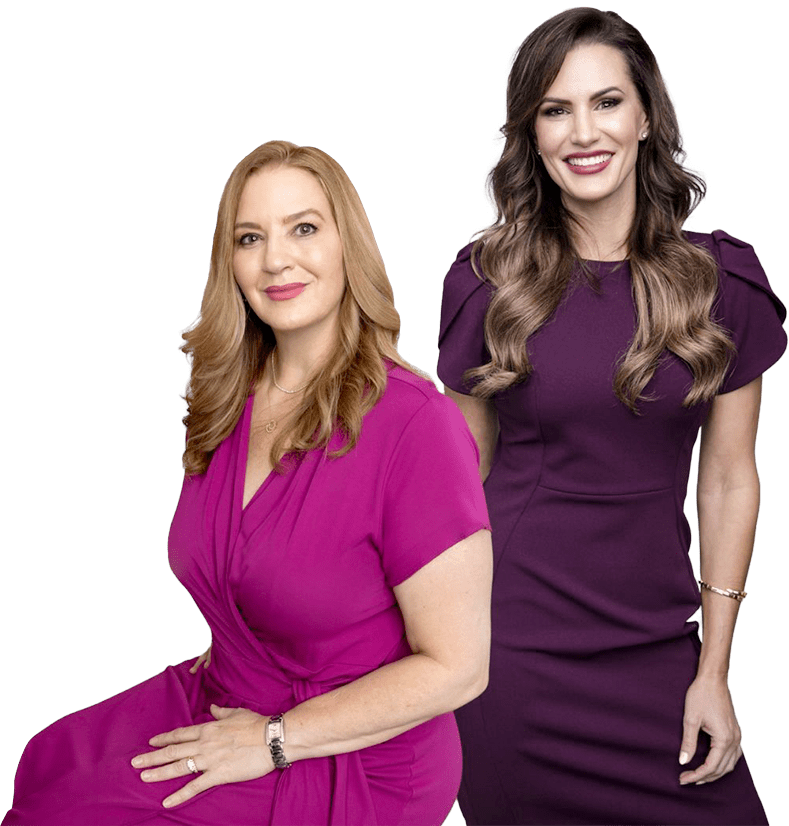
The Monarch Plastic Surgery & Skin Renewal Center team proudly serves Sandy Springs, Buckhead, and the greater Atlanta community. Led by board-certified surgeons Dr. Carmen Kavali and Dr. Teri Moak, our all-female leadership team is dedicated to providing safe, compassionate, and innovative aesthetic care. We specialize in personalized surgical and non-surgical treatments that help patients look and feel their very best.