
When Will I Look Socially Presentable After a Facelift?
One of the most common questions patients ask before facelift surgery is not necessarily, “How much will it hurt?” Instead, it is often:
“When will I feel comfortable going out in public again?”
For most facelift patients, the answer is approximately three to four weeks after surgery. By that point, much of the visible swelling and bruising has improved, and many patients feel comfortable returning to dinners, social activities, errands, and everyday interactions.
However, every patient has a different comfort level. Some people are perfectly comfortable being open about having surgery and will venture out within the first week, even while swelling and bruising remain visible. Others prefer to keep their procedure private and may wait longer before returning to their usual social routine.
The important thing to understand is that facelift recovery is often less about pain and more about allowing swelling to settle, bruising to fade, and the tissues to heal naturally.
Quick Answer
Many facelift patients feel comfortable running errands around three weeks after surgery and attending dinners or social gatherings around four weeks after surgery. Patients who do not mind visible swelling may go out sooner, while those who want their procedure to remain private may prefer additional recovery time.
What Does “Socially Presentable” Mean After a Facelift?
Being socially presentable does not necessarily mean that every trace of surgery has disappeared. Facelift swelling can continue improving for several weeks or even months. Instead, the term generally refers to the point at which the average patient feels comfortable interacting with people without their recovery becoming the focus of the conversation.
At this stage:
- Most significant bruising has faded.
- Facial swelling has noticeably decreased.
- Incisions are becoming less noticeable.
- Makeup may be used if cleared by the surgeon.
- Patients often feel more comfortable styling their hair normally.
- Most people no longer feel as though they look obviously postoperative.
There may still be mild swelling, tightness, firmness, numbness, or temporary asymmetry. These changes are often more noticeable to the patient than they are to friends, coworkers, or strangers.
A General Facelift Recovery Timeline
No two patients heal at exactly the same pace. The extent of the procedure, the surgical technique, the patient’s overall health, and the body’s natural healing response can all influence recovery. However, the following timeline provides a general idea of what many patients experience.
The First Week After Surgery
The first week is usually when swelling and bruising are most noticeable. The face may feel tight, full, numb, or firm. Patients may also have dressings, compression garments, drains, sutures, or visible incision lines depending on the procedure performed.
Some patients are comfortable leaving the house during this period and do not mind explaining that they recently had surgery. Others prefer to remain at home and focus entirely on rest.
You may be physically capable of taking a short walk or attending an early follow-up appointment, but you probably will not look fully ready for a social event.
Two Weeks After Surgery
By the second week, bruising and swelling have often improved substantially. Sutures or staples may have been removed, and patients generally begin to feel more like themselves.
Despite the progress, residual swelling can still make the face look unusually full or slightly uneven. The cheeks, jawline, neck, and areas around the ears may continue to appear swollen. Incisions may also remain pink or noticeable at close range.
Some patients return to remote work or limited in-person responsibilities at this stage, particularly when they can control lighting, camera angles, hairstyles, or who they interact with.
Three Weeks After Surgery
Around the three-week mark, many patients begin feeling comfortable with short, casual outings. This may include:
- Going to the grocery store
- Picking up children from school
- Running quick errands
- Going for a walk in the neighborhood
- Attending a casual appointment
- Seeing close friends or family members
Strategic styling can help patients feel more confident. Wearing the hair down may help conceal healing incisions around the ears. A loose hat may also be useful when permitted by the surgeon, although patients should avoid anything that places pressure on healing tissues.
At three weeks, there may still be swelling, but it is often manageable enough that patients no longer feel the need to remain at home.
Four Weeks After Surgery
By approximately four weeks after facelift surgery, many patients feel ready for dinners, social gatherings, family events, and routine public activities.
This is often the point when the face begins to look refreshed rather than recently operated on. Incisions continue to mature, swelling becomes less noticeable, and the new facial contours begin to appear more natural.
Patients who want to keep their surgery private may still choose hairstyles, makeup, or clothing that help them feel more comfortable. However, many people find that others simply think they look rested, healthier, or refreshed.
Why Facelift Recovery Is Usually More About Swelling Than Pain
Patients are often surprised to learn that pain is not always the most significant part of facelift recovery. Discomfort is generally managed with prescribed or recommended medication and tends to improve during the early recovery period.
Swelling, on the other hand, takes time.
A facelift involves carefully repositioning facial tissues, restoring support, improving the jawline, and addressing skin laxity. The body responds to surgery by sending fluid and healing cells to the treated areas. That response is normal, but it temporarily changes the way the face looks.
Even after the most noticeable swelling has improved, subtle residual swelling may remain in areas such as the cheeks, jawline, neck, or around the ears. Patients often notice these details because they inspect their face closely every day. Other people may not notice them at all.
Can You Return to Work Before Three Weeks?
Some patients return to work before the three-week mark, particularly when they work remotely or have limited face-to-face interaction. Others prefer to take three or four weeks away from work.
Your return-to-work timeline may depend on:
- Whether you work from home or in person
- How physically demanding your job is
- How much public interaction your position requires
- Whether you are comfortable discussing your procedure
- The extent of your facelift and any additional procedures
- Your individual swelling and bruising response
A patient who works from home may feel comfortable returning after one or two weeks. Someone who regularly meets clients, appears on camera, gives presentations, or works in a highly visible role may prefer closer to three or four weeks.
What If You Do Not Want Anyone to Know You Had a Facelift?
Privacy is a personal decision. Some patients tell friends, family members, and coworkers about their procedure. Others prefer that no one knows.
If discretion is especially important, it is wise to plan for more recovery time rather than less. While many patients look socially acceptable at three to four weeks, subtle swelling or healing incisions may still be visible to someone who knows your face well.
Patients seeking a more private recovery may choose to:
- Schedule surgery around a vacation or remote-work period.
- Avoid major events for at least four weeks.
- Wear their hair down while incisions heal.
- Use makeup after receiving surgical clearance.
- Gradually return to social activities rather than making a major event the first outing.
- Allow additional time if combining a facelift with eyelid surgery, brow surgery, fat transfer, or laser resurfacing.
There is no obligation to disclose cosmetic surgery unless the patient chooses to do so. Patients should give themselves enough time to recover based on their personal privacy preferences and comfort level.
Will Your Facelift Results Look Natural at Three to Four Weeks?
At three to four weeks, facelift results are beginning to take shape, but they are not final. The face may still feel tighter or look fuller than expected. This does not mean the result will appear unnatural once healing is complete.
Facelift results typically become progressively softer and more natural as swelling resolves and the repositioned tissues settle. The goal is not to create a pulled, tight, or artificial appearance. A thoughtfully performed facelift should restore facial structure and improve aging changes while preserving the patient’s identity.
Patients should avoid judging their final result too early. The face seen in the mirror during the first several weeks is still healing.
Factors That Can Affect How Quickly You Look Presentable
The Type and Extent of Surgery
A limited facial procedure may involve less swelling than a more comprehensive facelift and neck lift. Combining surgery with a brow lift, eyelid surgery, facial fat transfer, chin augmentation, or laser resurfacing may extend the period of visible recovery.
Your Natural Healing Response
Some patients bruise easily, while others experience very little bruising. Swelling can also vary significantly from person to person.
Your Overall Health
Patients who are healthy, medically optimized, and following their surgeon’s instructions often experience a smoother recovery. Smoking, nicotine use, uncontrolled health conditions, and certain medications can interfere with healing.
How Closely You Follow Postoperative Instructions
Keeping the head elevated, avoiding strenuous activity, attending follow-up visits, taking medications as directed, and protecting the incisions can all support proper healing.
Your Personal Comfort Level
Two patients can look nearly identical at three weeks and still feel very differently about going out. One may be ready for a busy restaurant, while the other may prefer another week at home. Neither response is wrong.
How to Plan for an Important Event
If you are having facelift surgery before a wedding, reunion, vacation, professional event, or family celebration, do not schedule the procedure based solely on the minimum recovery period.
Although many patients are socially presentable around three to four weeks, allowing additional time provides a cushion for unexpected swelling, bruising, or slower healing.
For a major event where photographs will be taken, patients may feel more confident with several months of healing rather than several weeks. Your surgeon can help recommend a realistic schedule based on the specific procedures being considered.
Planning a Facelift in Atlanta?
A personalized consultation can help you understand your expected recovery timeline, surgical options, and when you may feel comfortable returning to work and social activities.
Tips for Feeling More Comfortable in Public After a Facelift
- Start with a short outing. A quick errand may feel less intimidating than a long dinner or crowded event.
- Wear your hair down. Longer hair can help conceal healing incisions around the ears.
- Use makeup carefully. Once approved, makeup may help camouflage residual bruising or redness.
- Choose comfortable clothing. Button-down or zip-front tops prevent you from pulling tight clothing over your head.
- Avoid excessive sun exposure. Healing incisions should be protected from sunlight to reduce the risk of prolonged discoloration.
- Do not overexert yourself. Feeling socially ready does not necessarily mean you are cleared for strenuous exercise or heavy lifting.
When Should You Contact Your Surgeon?
Swelling, bruising, tightness, and temporary numbness are common during facelift recovery. However, patients should contact their surgical team if they experience symptoms that are severe, worsening, unexpected, or specifically identified in their postoperative instructions.
This may include rapidly increasing swelling, significant one-sided swelling, uncontrolled pain, fever, drainage, breathing difficulty, chest pain, or other concerning changes.
Every surgeon has specific postoperative protocols. Patients should follow the instructions provided by their own surgical team rather than relying solely on a generalized recovery timeline.
The Bottom Line
Most facelift patients begin feeling comfortable with quick public outings around three weeks after surgery. By approximately four weeks, many feel ready to attend dinners, see friends, participate in social activities, and resume a more normal routine.
That does not mean all swelling is gone or the result is final. It simply means the visible signs of surgery have typically improved enough that patients feel less self-conscious in public.
Some people will go out within a week and happily tell everyone they had a facelift. Others will prefer six weeks of privacy. Most patients fall somewhere in the middle.
Facelift recovery is not a race. Giving your body enough time to heal can help you feel more confident as your swelling subsides and your final facial contours gradually emerge.
Frequently Asked Questions
How long after a facelift can I go out in public?
Many patients feel comfortable running short errands approximately three weeks after surgery. Some go out sooner, while patients who want to conceal their procedure may wait four weeks or longer.
When can I go out to dinner after a facelift?
Many patients feel dinner-ready around four weeks after surgery. Residual swelling may still be present, but it is often subtle enough that patients feel socially comfortable.
When can I return to work after a facelift?
Patients with remote or low-visibility jobs may return within one to two weeks. Patients with public-facing roles often prefer two to four weeks of recovery. Physically demanding work may require additional time and surgical clearance.
Is facelift recovery painful?
Patients often describe tightness, pressure, tenderness, numbness, or swelling rather than severe pain. Discomfort usually improves during the first several days and can generally be managed with the postoperative plan provided by the surgeon.
How long does facelift swelling last?
The majority of noticeable swelling often improves during the first several weeks, but subtle swelling can continue resolving for several months. Final healing varies by patient and procedure.
Can I wear makeup after a facelift?
Makeup may be permitted once incisions have healed sufficiently and the surgeon provides clearance. Patients should not apply makeup directly over open or incompletely healed incisions.
Can I wear a hat after facelift surgery?
A loose hat may be appropriate once approved by the surgeon. It should not place pressure on incisions, ears, or recently treated tissues.
Will people be able to tell I had a facelift?
During the early recovery period, swelling, bruising, and incisions may be noticeable. Once healing progresses, a well-planned facelift should help the patient look refreshed and naturally rejuvenated rather than obviously operated on.
Learn More About Facelift Surgery
A consultation with Monarch Plastic Surgery can help you develop a personalized surgical and recovery plan based on your anatomy, goals, schedule, and desired level of privacy.
Individual recovery experiences vary. This article provides general educational information and does not replace personalized medical advice or postoperative instructions from your plastic surgeon.
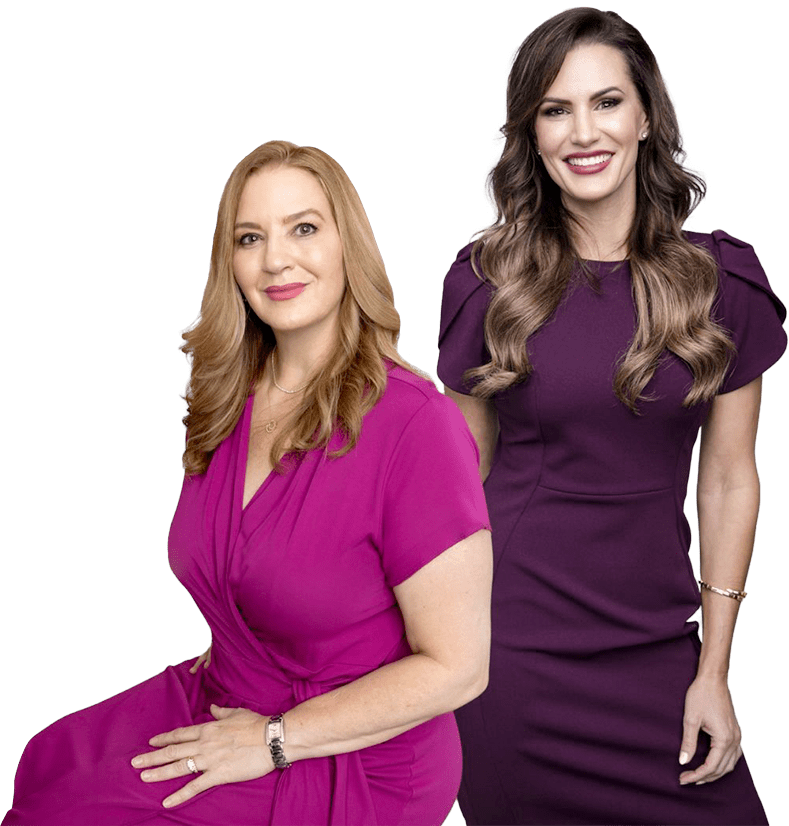
The Monarch Plastic Surgery & Skin Renewal Center team proudly serves Sandy Springs, Buckhead, and the greater Atlanta community. Led by board-certified surgeons Dr. Carmen Kavali and Dr. Teri Moak, our all-female leadership team is dedicated to providing safe, compassionate, and innovative aesthetic care. We specialize in personalized surgical and non-surgical treatments that help patients look and feel their very best.