



One of the most common concerns for women considering breast augmentation is whether implants will affect their ability to breastfeed in the future. The good news is that many women with breast implants are able to successfully breastfeed, but several factors can influence the outcome.
For patients in Atlanta, Buckhead, and Sandy Springs, understanding how breast augmentation interacts with breastfeeding can help you plan confidently for both your aesthetic goals and future family plans.
Table of Contents
Is Breastfeeding Possible After Augmentation?
Yes, many women are able to breastfeed after breast augmentation. The ability to produce milk depends largely on whether the milk ducts, glands, and nerves involved in lactation remain intact after surgery.
Most modern techniques are designed to preserve these structures whenever possible.
What Factors Affect Breastfeeding?
Several variables can influence whether breastfeeding is successful after augmentation.
- Surgical technique used
- Implant placement
- Incision location
- Individual anatomy and milk production capacity
Because every patient is different, outcomes can vary even with similar procedures.
Does Implant Placement Matter?
Implants placed under the chest muscle (submuscular placement) are less likely to interfere with milk production compared to implants placed above the muscle.
This approach helps preserve more of the natural breast tissue and glandular structures involved in breastfeeding.
Do Incision Types Affect Milk Production?
The location of the incision can also play a role. Incisions made around the areola may have a higher chance of affecting nerves or milk ducts compared to those placed under the breast fold.
However, many patients with areolar incisions are still able to breastfeed successfully.
Is Breastfeeding Safe with Implants?
Breastfeeding with implants is considered safe for both mother and baby. Studies have not shown harmful effects from silicone or saline implants on breast milk.
If you have concerns, discussing them with your healthcare provider can provide reassurance and guidance.
Tips for Successful Breastfeeding
There are several steps you can take to support a successful breastfeeding experience.
- Work with a lactation consultant early
- Monitor milk supply and infant weight gain
- Stay hydrated and maintain proper nutrition
- Be patient as your body adjusts
Support and guidance can make a significant difference in your experience.
When to Speak with a Specialist
If you experience low milk supply, discomfort, or difficulty breastfeeding, consulting with a lactation specialist or your surgeon can help identify solutions.
Early support often leads to better outcomes and less frustration.
Final Thoughts
Breast augmentation does not automatically prevent breastfeeding. With the right surgical approach and proper support, many women are able to successfully nurse their children.
If breastfeeding is an important part of your future plans, discussing this during your consultation can help ensure your procedure is tailored to preserve that option.
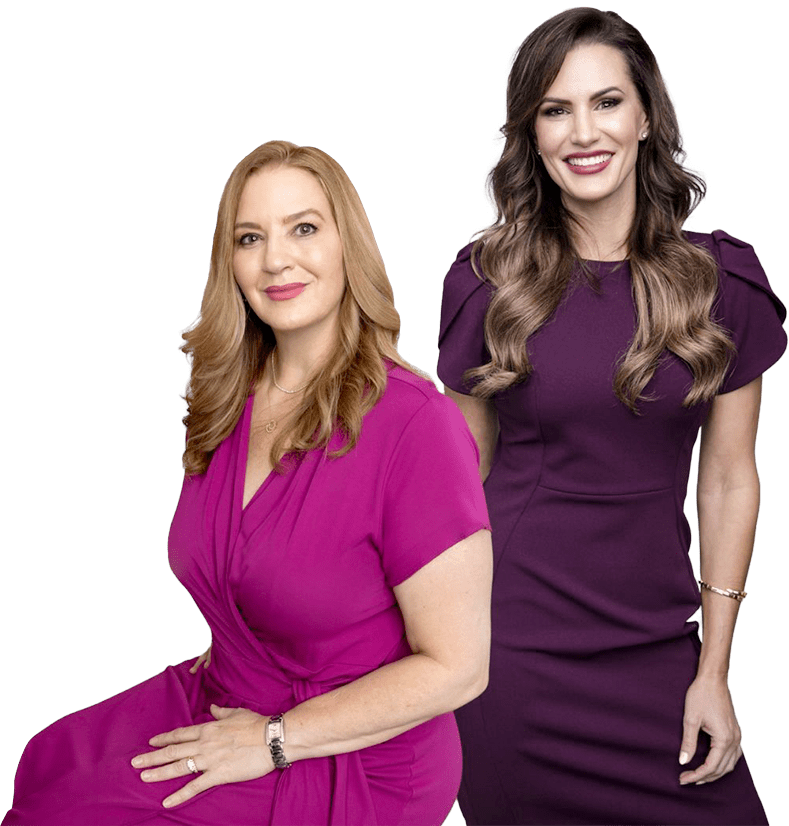
The Monarch Plastic Surgery & Skin Renewal Center team proudly serves Sandy Springs, Buckhead, and the greater Atlanta community. Led by board-certified surgeons Dr. Carmen Kavali and Dr. Teri Moak, our all-female leadership team is dedicated to providing safe, compassionate, and innovative aesthetic care. We specialize in personalized surgical and non-surgical treatments that help patients look and feel their very best.