


If you are frustrated by stubborn fat that does not respond to diet and exercise, you may be comparing two popular body contouring options: CoolSculpting and liposuction. Both treatments are designed to reduce unwanted fat, but they work in very different ways and are best suited for different goals.
CoolSculpting is a non-surgical fat reduction treatment that uses controlled cooling to target small pockets of fat. Liposuction is a surgical procedure that physically removes fat for more dramatic and precise body contouring. The right choice depends on how much fat you want to reduce, where the fat is located, how quickly you want to see results, and whether you are comfortable with surgery and recovery time.
At Monarch Plastic Surgery & Skin Renewal Center, patients from Atlanta, Buckhead, Sandy Springs, and surrounding areas often ask whether CoolSculpting can deliver results similar to liposuction. For the right patient, CoolSculpting can be a helpful non-surgical option. However, when the goal is more noticeable reshaping, liposuction usually provides the stronger and more predictable result.
CoolSculpting vs Liposuction: Your Top Questions Answered
Is CoolSculpting as effective as liposuction?
CoolSculpting can reduce small, localized pockets of fat, but liposuction is generally more effective for larger areas, more precise shaping, and more noticeable fat removal. Liposuction usually delivers more dramatic and predictable body contouring.
Which treatment shows results faster?
Liposuction removes fat during the procedure, so the change is often visible sooner, although swelling can temporarily hide the final result. CoolSculpting results develop gradually as the body processes treated fat cells over several weeks to months.
Is CoolSculpting permanent?
CoolSculpting permanently reduces treated fat cells. However, remaining fat cells can still enlarge with weight gain, so maintaining a stable weight is important for long-term results.
Does liposuction have downtime?
Yes. Liposuction involves recovery time because it is a surgical procedure. CoolSculpting usually has little to no downtime, although temporary soreness, swelling, numbness, or sensitivity may occur in the treated area.
Can CoolSculpting and liposuction be used together?
In some cases, yes. Some patients may use CoolSculpting for small touch-ups or maintenance after liposuction, but the timing and treatment plan should be customized by a qualified provider.
Table of Contents
- Key Differences Between CoolSculpting and Liposuction
- Why Stubborn Fat Can Be Hard to Treat
- What CoolSculpting Does
- What Liposuction Does
- How to Compare CoolSculpting and Liposuction
- What Results Can You Expect?
- Who Is a Better Candidate?
- Downtime and Recovery
- Longevity of Results
- Cost Considerations
- What About Loose Skin?
- Can CoolSculpting and Liposuction Be Combined?
- Choosing the Right Treatment at Monarch Plastic Surgery
- Which Fat Reduction Option Is Right for You?
Key Differences Between CoolSculpting and Liposuction
The biggest difference between CoolSculpting and liposuction is that CoolSculpting is non-surgical, while liposuction is surgical.
CoolSculpting uses controlled cooling to freeze targeted fat cells beneath the skin. The body gradually processes and eliminates those treated fat cells over time. There are no incisions, no anesthesia, and little to no required downtime for most patients.
Liposuction removes fat directly through a surgical procedure. A small cannula is used to suction out unwanted fat from targeted areas, allowing the surgeon to sculpt and contour the body with greater precision.
This difference matters because the treatments are not designed for the same level of correction. CoolSculpting may be appropriate for small, pinchable fat pockets. Liposuction is usually better when the goal is more significant fat reduction, sharper contouring, or improvement across larger areas.
Patients researching their options can also review the American Society of Plastic Surgeons CoolSculpting overview and the ASPS liposuction guide for general education.
Why Stubborn Fat Can Be Hard to Treat
Stubborn fat is often frustrating because it does not always respond evenly to lifestyle changes. Even patients who exercise regularly and eat well may still have areas that hold onto fat because of genetics, hormones, aging, pregnancy, or body shape.
Common areas patients may want to treat include the abdomen, flanks, waist, back, thighs, upper arms, bra area, and under the chin. The best approach depends on the size of the area, the amount of fat present, the quality of the overlying skin, and the patient’s goals.
It is also important to understand that neither CoolSculpting nor liposuction is a weight-loss procedure. Both are body contouring options. They are designed to reduce localized fat and improve shape, not replace healthy habits or produce major weight loss.
What CoolSculpting Does
CoolSculpting is a non-surgical fat reduction treatment that uses controlled cooling to target fat cells beneath the skin. During treatment, the device cools the selected area to a temperature that affects fat cells while leaving surrounding tissue unharmed. Over time, the body naturally clears the treated fat cells.
CoolSculpting may be a good fit for patients who have small areas of stubborn fat and prefer a non-invasive option. It is often chosen by patients who want subtle improvement without surgery, anesthesia, or a formal recovery period.
CoolSculpting may help patients who:
- Have small, localized fat pockets
- Are close to their goal weight
- Prefer a non-surgical treatment
- Want little to no downtime
- Are comfortable with gradual results
- Have realistic expectations about the degree of change
The main limitation is that CoolSculpting is not designed for large-volume fat removal or precise sculpting. Results can be meaningful for the right patient, but they are usually more subtle than what can be achieved with liposuction.
What Liposuction Does
Liposuction is a surgical body contouring procedure that removes fat directly from targeted areas. Because the fat is physically removed, liposuction can create more noticeable changes in body shape than non-surgical fat reduction treatments.
During liposuction, small incisions are made near the treatment area. A thin tube called a cannula is used to loosen and suction out unwanted fat. This allows the surgeon to contour the area more precisely and improve proportions in a way that non-surgical treatments usually cannot match.
Liposuction may help patients who:
- Have moderate fat deposits
- Want more noticeable body contouring
- Desire more precise shaping
- Are comfortable with surgery and recovery
- Have good skin elasticity
- Are at or near a stable weight
Patients considering surgical fat reduction can learn more about liposuction in Atlanta at Monarch Plastic Surgery.
How to Compare CoolSculpting and Liposuction
The best way to compare CoolSculpting and liposuction is to think about the amount of change you want.
If you want a subtle reduction in a small area and you strongly prefer to avoid surgery, CoolSculpting may be worth discussing. It can be a good option for patients who are close to their ideal shape but have one or two stubborn areas that bother them.
If you want more dramatic improvement, more precise contouring, or fat reduction across a larger area, liposuction is usually the stronger option. Liposuction gives the surgeon more control over shaping and can remove more fat in a single treatment session.
CoolSculpting is often about convenience and gradual refinement. Liposuction is more about surgical precision and noticeable reshaping. Neither option is automatically better for every patient. The right choice depends on anatomy, goals, downtime tolerance, and expectations.
What Results Can You Expect?
CoolSculpting Results
CoolSculpting results appear gradually. After treatment, the body needs time to process the treated fat cells. Some patients begin to notice changes within several weeks, with improvement continuing over the following months.
The result is usually a subtle slimming of the treated area rather than a dramatic transformation. CoolSculpting may be especially appealing for patients who want a modest improvement and do not want to schedule surgical downtime.
Because results are gradual, some patients choose more than one treatment session to reach their desired level of improvement. The amount of change depends on the treatment area, fat volume, body response, and number of sessions performed.
Liposuction Results
Liposuction removes fat during the procedure, so the contour change begins immediately. However, swelling is expected after surgery, so the final result takes time to settle. Patients usually see continued improvement as swelling decreases and the treated area refines.
Liposuction typically produces a more noticeable change than CoolSculpting. It can be used to sculpt the abdomen, waist, flanks, thighs, arms, back, and other areas where unwanted fat affects body shape.
For patients who want a visible transformation rather than a subtle reduction, liposuction is often the more appropriate choice.
Who Is a Better Candidate?
Better Candidates for CoolSculpting
CoolSculpting may be a better fit for patients with small, stubborn fat pockets who are close to their ideal weight and want to avoid surgery. These patients should understand that the improvement will be gradual and generally more modest than liposuction.
Good CoolSculpting candidates typically have pinchable fat in a localized area, stable weight, good skin tone, and realistic expectations about non-surgical fat reduction.
Better Candidates for Liposuction
Liposuction may be a better fit for patients who want more significant fat reduction or more precise contouring. It is often recommended when the amount of fat is too much for non-surgical treatment to correct effectively.
Good liposuction candidates are generally healthy, near a stable weight, comfortable with surgery, and willing to follow recovery instructions. Skin elasticity is also important because the skin needs to contract well after fat is removed.
Patients comparing surgical and non-surgical body contouring options may also find Monarch’s article on non-surgical body contouring vs liposuction helpful.
Downtime and Recovery
Downtime is one of the main reasons patients compare CoolSculpting and liposuction.
CoolSculpting typically requires little to no downtime. Many patients return to normal routines shortly after treatment. Temporary side effects may include redness, swelling, firmness, tenderness, bruising, numbness, tingling, or sensitivity in the treated area.
Liposuction requires more recovery because it is surgery. Patients can expect swelling, bruising, soreness, compression garments, and activity restrictions during the early healing period. Many people plan for one to two weeks of downtime, depending on the extent of treatment and the type of work or daily activities they perform.
The tradeoff is that liposuction can usually accomplish more in one procedure. CoolSculpting is more convenient, but liposuction is more powerful.
Longevity of Results
Both CoolSculpting and liposuction reduce fat cells in the treated area, and those treated fat cells are not expected to return in the same way. However, neither treatment prevents future weight gain.
If a patient gains weight after treatment, remaining fat cells can enlarge. This may change the appearance of both treated and untreated areas. Maintaining a stable weight is one of the most important ways to preserve results after either procedure.
Long-term results are best supported by consistent exercise, balanced nutrition, hydration, healthy lifestyle habits, and ongoing weight stability.
Cost Considerations
CoolSculpting may appear more affordable upfront because it is non-surgical and usually priced by treatment area or session. However, some patients need multiple sessions to achieve their desired result, which can increase the total cost.
Liposuction is a larger upfront investment because it is a surgical procedure. Cost may include surgeon fees, anesthesia, facility-related expenses, garments, and follow-up care. However, liposuction may provide a more complete result in one treatment plan for patients who need more significant fat reduction.
The most important question is not simply which option costs less. It is whether the treatment can realistically achieve the result you want. Choosing a less invasive option may not save money if it cannot address the amount of fat or contouring needed.
Patients who want to explore payment flexibility can review Monarch’s plastic surgery financing options.
What About Loose Skin?
Loose skin is an important part of the decision. CoolSculpting and liposuction reduce fat, but neither is primarily a skin-tightening procedure. If the skin is already loose, removing fat may not create the smooth contour a patient wants.
Patients with good skin elasticity often see better contour after fat reduction because the skin can contract over the new shape. Patients with loose or stretched skin may need a different approach, especially after pregnancy, weight loss, or aging.
For example, a patient with abdominal fat and loose skin may be better served by a procedure such as abdominoplasty rather than fat reduction alone. This is why a consultation is so important before choosing a treatment.
Can CoolSculpting and Liposuction Be Combined?
CoolSculpting and liposuction are not usually performed together at the same time, but they can sometimes be used as part of a broader body contouring plan. For example, liposuction may be used for more dramatic shaping, while CoolSculpting may be considered later for small maintenance areas or minor refinements.
However, CoolSculpting should not be used as a substitute for liposuction when the patient clearly needs surgical fat removal. If the goal is significant contouring, starting with a treatment that is too subtle can lead to frustration.
The best plan depends on the treatment area, fat volume, skin quality, body proportions, and how much improvement the patient wants.
Choosing the Right Treatment at Monarch Plastic Surgery
At Monarch Plastic Surgery & Skin Renewal Center, treatment recommendations are based on anatomy, goals, and realistic expectations. During a consultation, your provider can evaluate the treatment area, fat volume, skin elasticity, body proportions, and whether non-surgical or surgical fat reduction is more appropriate.
Your provider may also discuss your lifestyle, weight stability, previous treatments, recovery timeline, and upcoming events. These details help determine whether CoolSculpting, liposuction, or another body contouring option is the best fit.
Patients interested in body contouring may also explore Monarch’s liposuction procedure page, non-surgical body contouring comparison, or liposuction before-and-after gallery.
Which Fat Reduction Option Is Right for You?
CoolSculpting and liposuction can both reduce stubborn fat, but they are designed for different levels of correction. CoolSculpting may be a good option for patients who want subtle fat reduction, minimal downtime, and a non-surgical approach. Liposuction may be better for patients who want more noticeable contouring, more precise shaping, and a stronger transformation.
Your ideal treatment plan should account for the amount of fat present, the quality of your skin, your comfort with downtime, and the result you want to achieve. In some cases, non-surgical fat reduction may be enough. In others, liposuction may be the more effective and efficient choice.
To explore CoolSculpting, liposuction, or a personalized body contouring plan in Atlanta, Buckhead, and Sandy Springs, schedule a consultation with Monarch Plastic Surgery & Skin Renewal Center.
Contact Monarch Plastic Surgery to request your consultation.
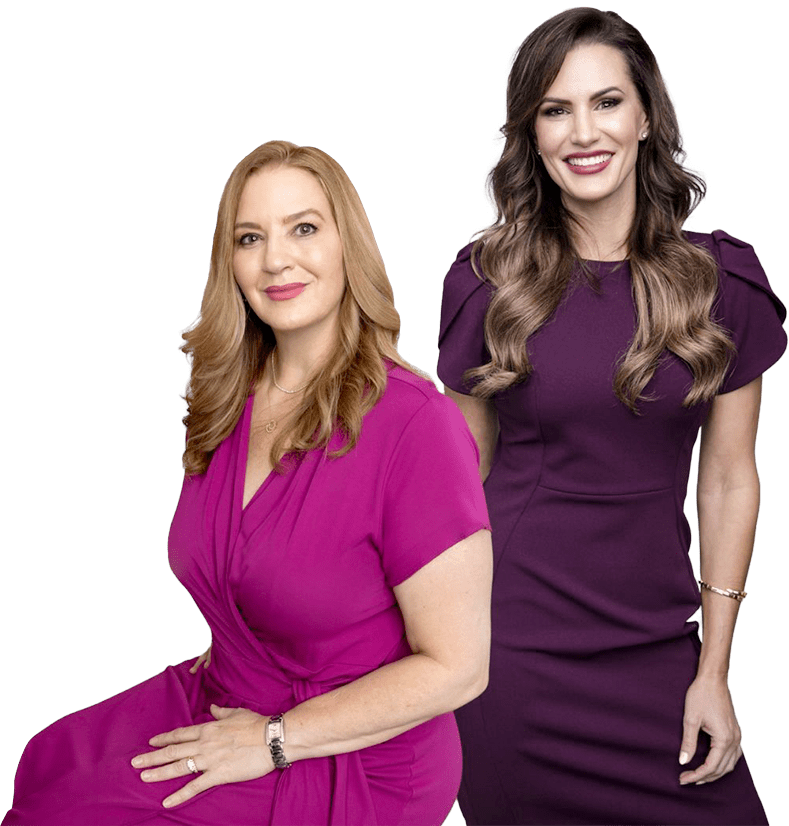
The Monarch Plastic Surgery & Skin Renewal Center team proudly serves Sandy Springs, Buckhead, and the greater Atlanta community. Led by board-certified surgeons Dr. Carmen Kavali and Dr. Teri Moak, our all-female leadership team is dedicated to providing safe, compassionate, and innovative aesthetic care. We specialize in personalized surgical and non-surgical treatments that help patients look and feel their very best.