

Estimated Read Time: 9–11 minutes
At Monarch Plastic Surgery, we often remind patients that Botox and eyelid surgery are not really competing treatments. They solve different problems. Botox softens movement-related lines, while eyelid surgery addresses loose skin, puffiness, and heaviness that injectables cannot remove.
If your eyes look tired even when you feel well-rested, you are not alone. The eye area is often one of the first places patients notice aging. Fine lines, crow’s feet, drooping upper lids, under-eye bags, puffiness, and loose skin can all make the face look older, more fatigued, or less refreshed than you actually feel.
At Monarch Plastic Surgery & Skin Renewal Center, this is a conversation we have often. Patients will come in saying, “I just look tired,” or “My eyes make me look older,” but the reason can be different from person to person. Sometimes the issue is wrinkles from repeated expression. Sometimes it is extra upper eyelid skin. Sometimes it is under-eye puffiness. Sometimes the brow has dropped and is making the eyelids look heavier. And in many cases, it is a mix of a few things.
Two common treatment options are Botox and eyelid surgery, also known as blepharoplasty. Both can help refresh the eye area, but they work in very different ways. Botox relaxes muscles that cause expression lines. Eyelid surgery removes or repositions excess skin and fat that contribute to heaviness, puffiness, and a tired appearance.
For patients in Atlanta, Buckhead, Sandy Springs, and surrounding areas, choosing between eyelid surgery and Botox starts with identifying what is actually causing the concern. If the issue is dynamic wrinkles, Botox may be enough. If the issue is excess eyelid skin, under-eye bags, or structural aging around the eyes, eyelid surgery may be the better solution.
Quick Answers About Eyelid Surgery vs Botox
Is Botox or eyelid surgery better for tired eyes?
Botox is usually better for wrinkles caused by repeated facial movement, such as crow’s feet, frown lines, and some forehead lines. Eyelid surgery is usually better for excess upper eyelid skin, under-eye bags, puffiness, and heaviness that Botox cannot remove.
How do I know if I need Botox or eyelid surgery?
If the concern appears mainly when you smile, squint, or frown, Botox may be the better fit. If your eyes look tired even when your face is relaxed, or if you have hooded lids, loose eyelid skin, or under-eye bags, eyelid surgery may be more appropriate.
Can Botox fix droopy eyelids?
Botox may create a subtle brow-lifting effect in carefully selected patients, but it cannot remove excess eyelid skin or fat. If the eyelids look droopy because of loose skin, heaviness, or tissue changes, eyelid surgery is usually more effective.
Can Botox help hooded eyes?
Botox may slightly lift the brow in some patients, which can make mild heaviness look a little better. However, Botox cannot remove true hooding caused by excess upper eyelid skin. For more noticeable hooding, upper blepharoplasty is usually the stronger option.
What does eyelid surgery correct that Botox cannot?
Eyelid surgery can correct loose upper eyelid skin, eyelid heaviness, under-eye bags, lower eyelid puffiness, and structural changes around the eyes. Botox cannot remove skin or fat; it only relaxes targeted muscles that cause expression lines.
Is eyelid surgery only for older patients?
No. While eyelid surgery is common for age-related changes, some patients have hooded eyelids, under-eye bags, or eyelid heaviness at a younger age because of genetics. Candidacy depends more on anatomy than age alone.
How long does Botox last around the eyes?
Botox results around the eyes typically last about 3 to 4 months. Maintenance treatments are needed if you want to keep crow’s feet, frown lines, or forehead lines softened over time.
How long do eyelid surgery results last?
Eyelid surgery results can last many years. The natural aging process continues, but the excess skin or fat corrected during surgery does not return in the same way.
Can Botox and eyelid surgery be combined?
Yes. Many patients benefit from combining Botox with eyelid surgery. Eyelid surgery can correct excess skin and puffiness, while Botox can soften crow’s feet, frown lines, and other expression lines around the eyes.
Which option has less downtime?
Botox has little to no downtime for most patients. Eyelid surgery requires recovery time with swelling, bruising, and gradual healing, but it can provide a more meaningful and longer-lasting correction for structural eyelid concerns.
Will eyelid surgery get rid of crow’s feet?
Eyelid surgery is not designed to treat crow’s feet. Crow’s feet are usually caused by repeated muscle movement around the eyes, so Botox is typically better for softening those lines.
What is the best way to choose between Botox and eyelid surgery?
The best way to choose is through an in-person consultation. At Monarch Plastic Surgery, we evaluate eyelid skin, under-eye bags, brow position, facial expression patterns, wrinkles, goals, and recovery timeline to recommend the option that best fits your anatomy.
Table of Contents
- Key Differences Between Eyelid Surgery and Botox
- What Causes Tired-Looking Eyes?
- What Botox Does
- What Eyelid Surgery Does
- How to Compare Eyelid Surgery and Botox
- What Results Can You Expect?
- Who Is a Better Candidate?
- Downtime and Recovery
- How Long Do Results Last?
- Combining Treatments for a More Complete Refresh
- Choosing the Right Eye Rejuvenation Plan at Monarch Plastic Surgery
- Which Option Is Right for Your Eyes?
Key Differences Between Eyelid Surgery and Botox
The biggest difference between eyelid surgery and Botox is what each treatment corrects.
Botox is a non-surgical injectable treatment that temporarily relaxes specific facial muscles. Around the eyes, it is commonly used to soften crow’s feet, frown lines between the brows, and certain lines caused by repeated expression. Botox can also create a subtle brow-lifting effect in some patients, which may slightly open the upper eye area.
Eyelid surgery, or blepharoplasty, is a surgical procedure that removes or repositions excess skin and fat from the upper and/or lower eyelids. It is designed to improve heaviness, puffiness, loose skin, and bags that cannot be corrected with Botox.
This distinction matters because many patients use the same phrase for different problems. “Tired eyes” can mean crow’s feet. It can mean hooded upper lids. It can mean lower eyelid bags. It can mean loose skin. It can mean the brow has dropped. It can even mean hollowing or volume loss around the eyes.
Botox may be very effective for one concern and not helpful for another. Eyelid surgery may be the stronger choice for structural eyelid concerns, but it will not replace Botox for movement-related wrinkles. That is why the first step is not choosing a treatment. The first step is figuring out what is actually making the eyes look tired.
Patients researching treatment options can review the American Society of Plastic Surgeons botulinum toxin overview and the ASPS eyelid surgery guide for general educational information.
What Causes Tired-Looking Eyes?
The eye area is delicate, and even small changes can affect the way the entire face looks. A little extra upper eyelid skin can make the eyes look heavier. Mild puffiness under the eyes can make someone look tired even after sleeping well. Crow’s feet can make the outer eyes look more aged, especially when smiling or squinting.
Common causes of tired-looking eyes include:
- Crow’s feet at the outer corners of the eyes
- Frown lines between the eyebrows
- Forehead lines that make the upper face look tense
- Loose upper eyelid skin
- Hooded upper eyelids
- Under-eye bags
- Lower eyelid puffiness
- Brow heaviness or brow descent
- Skin thinning around the eyes
- Volume loss beneath the eyes
- Sun damage and texture changes
- Genetics
Because there are several possible causes, choosing the right treatment requires more than simply deciding between surgery and injectables. The best option depends on whether the concern is muscular, structural, skin-related, volume-related, or a combination.
This is where a consultation matters. A patient may think they need Botox because the eyes look tired, but the real issue may be excess upper eyelid skin. Another patient may think they need eyelid surgery, but their main concern may be crow’s feet that respond well to Botox. The answer is not always obvious from a mirror or a selfie.
What Botox Does
Botox works by temporarily relaxing targeted muscles that create expression lines. Around the eyes, it is often used to soften wrinkles that appear when smiling, squinting, or frowning.
Botox may help improve:
- Crow’s feet at the outer corners of the eyes
- Frown lines between the eyebrows
- Forehead lines that contribute to a tired or tense look
- A mildly heavy brow in carefully selected patients
- Expression lines that become more visible with movement
One of the reasons patients like Botox is that it is quick, non-surgical, and usually easy to fit into a normal schedule. For patients who are starting to notice early lines around the eyes, Botox can be a helpful way to soften the area without surgery.
Botox does not remove skin, remove fat, or correct under-eye bags. It also does not create the same kind of eyelid opening that surgery can provide when excess skin is the main issue.
This is a common misunderstanding. Botox can sometimes make the eye area look a little more open by relaxing certain muscles, but it cannot remove a fold of loose upper eyelid skin. It cannot take away lower eyelid puffiness. It cannot surgically reshape the eyelids.
Botox is often a good option for patients who want a subtle, non-surgical refresh and have wrinkles caused by muscle movement rather than loose tissue.
Patients interested in wrinkle-relaxing treatments can learn more about Botox in Atlanta at Monarch Plastic Surgery.
What Eyelid Surgery Does
Eyelid surgery, also known as blepharoplasty, is designed to improve the appearance of the upper and/or lower eyelids by addressing excess skin, puffiness, and fat-related changes.
Upper eyelid surgery can remove loose skin that makes the eyes look hooded, heavy, or tired. In some patients, excess upper eyelid skin can even interfere with the field of vision. Lower eyelid surgery can address under-eye bags, puffiness, and certain contour concerns beneath the eyes.
Eyelid surgery may help improve:
- Droopy or hooded upper eyelids
- Loose eyelid skin
- Upper eyelid heaviness
- Under-eye bags
- Lower eyelid puffiness
- A tired or aged eye appearance
- Long-lasting eyelid rejuvenation
Unlike Botox, eyelid surgery can correct structural issues around the eyes. This makes it a better option when the main concern is skin or fat rather than wrinkles caused by facial movement.
The goal of eyelid surgery is not to make the eyes look overdone or pulled. In our experience, most patients want to look more awake and refreshed, not different. A thoughtful blepharoplasty should respect the patient’s natural eye shape and overall facial balance.
Patients considering surgical eyelid rejuvenation can explore upper blepharoplasty and lower blepharoplasty options at Monarch Plastic Surgery.
How to Compare Eyelid Surgery and Botox
The best way to compare eyelid surgery and Botox is to identify what is making the eyes look tired.
If the concern appears mostly when you smile, squint, or frown, Botox may be the better option. Dynamic wrinkles respond well to muscle relaxation because the lines are caused by movement.
If the concern is present even when your face is relaxed, eyelid surgery may be more appropriate. Loose upper eyelid skin, under-eye bags, and puffiness are structural concerns that Botox cannot remove.
A simple way to think about it is:
- If the issue is movement-related wrinkles, Botox may help.
- If the issue is excess skin, eyelid surgery is usually more effective.
- If the issue is under-eye bags or puffiness, lower blepharoplasty may be more appropriate.
- If the brow is contributing to heaviness, a brow lift may also need to be discussed.
- If there are several concerns, a combination plan may create the best result.
Some patients have both issues. For example, a patient may have hooded upper eyelids and crow’s feet. Eyelid surgery can address the extra skin, while Botox can soften the wrinkles around the outer eyes. This is why a personalized plan often produces the most natural-looking result.
What Results Can You Expect?
Botox Results
Botox results appear gradually after treatment. Many patients begin to notice softening within several days, with full results typically visible within about two weeks. The eyes may look smoother, more relaxed, and less tense.
Botox can reduce the appearance of crow’s feet, forehead lines, and frown lines. In some patients, it can also provide a subtle brow lift that makes the eye area look slightly more open.
The result is temporary and requires maintenance. Botox is best for patients who want non-surgical wrinkle reduction and are comfortable repeating treatment several times per year.
Eyelid Surgery Results
Eyelid surgery results develop as swelling and bruising improve after surgery. Patients often notice that the eyes look more open, refreshed, and rested. Upper eyelid surgery can reduce heaviness, while lower eyelid surgery can soften puffiness and under-eye bags.
Because eyelid surgery removes or repositions tissue, results are typically much longer-lasting than Botox. It can create a more significant improvement when structural aging is the main concern.
Patients who want to see examples of surgical eye rejuvenation may visit Monarch’s blepharoplasty before-and-after gallery.
Who Is a Better Candidate?
Better Candidates for Botox
Botox may be a better fit for patients with mild to moderate wrinkles caused by facial movement. These patients may have crow’s feet, frown lines, forehead lines, or early signs of aging around the eyes without significant loose skin or puffiness.
Botox may be a better fit if you:
- Have crow’s feet or frown lines
- Notice wrinkles mainly when smiling, squinting, or frowning
- Want a non-surgical treatment
- Prefer little to no downtime
- Are comfortable with maintenance treatments
- Do not have significant loose eyelid skin or under-eye bags
Better Candidates for Eyelid Surgery
Eyelid surgery may be a better fit for patients with excess upper eyelid skin, under-eye bags, puffiness, or eyelid heaviness that makes them look tired even when they are well-rested.
Eyelid surgery may be a better fit if you:
- Have hooded or heavy upper eyelids
- Have excess eyelid skin
- Notice under-eye bags or lower eyelid puffiness
- Look tired even when your face is relaxed
- Want a longer-lasting correction
- Are comfortable with surgical recovery
Patients with brow heaviness may also need evaluation of the brow position. In some cases, a brow lift may be discussed if the brow contributes to upper eyelid heaviness.
Downtime and Recovery
Botox usually requires little to no downtime. Patients may have mild redness, swelling, or bruising at injection sites, but most return to normal routines quickly. Exercise, lying flat, or rubbing the treated area may need to be avoided for a short period based on provider instructions.
Eyelid surgery requires more recovery because it is a surgical procedure. Patients can expect swelling, bruising, tightness, dryness, or temporary irritation around the eyes during the early healing period. Many people plan for about one to two weeks of more noticeable recovery, though refinement continues as swelling resolves.
The tradeoff is that Botox is easier to fit into a busy schedule, while eyelid surgery can create a more lasting and visible improvement when excess skin or under-eye bags are the main concern.
This is one of those decisions where convenience matters, but it should not be the only factor. Botox may be easier, but if the problem is loose skin, it may not give the patient what they are hoping for. Eyelid surgery is more involved, but for the right patient, it can address the actual structural issue.
How Long Do Results Last?
Botox results usually last about 3 to 4 months. Maintenance treatments are needed to preserve smoother lines and a refreshed appearance.
Eyelid surgery results can last many years. While the natural aging process continues, the skin and fat addressed during surgery do not return in the same way. Many patients enjoy long-term improvement after upper or lower blepharoplasty.
Patients who want temporary wrinkle softening may prefer Botox. Patients who want a longer-lasting correction for eyelid heaviness or puffiness may be better suited for eyelid surgery.
Combining Treatments for a More Complete Refresh
Botox and eyelid surgery can work well together because they address different concerns. Eyelid surgery can correct excess skin and puffiness, while Botox can soften the expression lines around the eyes that surgery does not directly treat.
For example, a patient may choose upper eyelid surgery to reduce hooding and use Botox to smooth crow’s feet or frown lines. Another patient may benefit from lower eyelid surgery for under-eye bags, then use Botox to keep the outer eye area looking relaxed.
Combination treatment is not always necessary, but it can create a more balanced and natural-looking result when both structural aging and dynamic wrinkles are present.
Choosing the Right Eye Rejuvenation Plan at Monarch Plastic Surgery
At Monarch Plastic Surgery & Skin Renewal Center, eye rejuvenation recommendations are based on anatomy, facial balance, skin quality, and patient goals. During a consultation, your provider can evaluate your upper eyelids, lower eyelids, brow position, under-eye area, crow’s feet, and facial expression patterns.
Your provider may also discuss your treatment history, recovery timeline, comfort with surgery, and whether you want subtle wrinkle softening, structural correction, or a combination approach.
We also try to be honest about what each treatment can and cannot do. If Botox will not remove the extra eyelid skin, we will explain that. If surgery feels like more than you need right now, we can talk about less invasive options. The right answer should fit your anatomy, your goals, and where you are in the aging process.
Patients interested in refreshing the eye area may also explore Monarch’s Botox treatment page, upper blepharoplasty page, lower blepharoplasty page, or blepharoplasty before-and-after gallery.
Which Option Is Right for Your Eyes?
Eyelid surgery and Botox can both refresh the eye area, but they are not interchangeable. Botox is often best for expression lines, crow’s feet, frown lines, and subtle non-surgical smoothing. Eyelid surgery is usually better for excess eyelid skin, under-eye bags, puffiness, and long-lasting structural improvement.
If your concern appears mainly when your face moves, Botox may be the right starting point. If your eyes look tired even when your face is relaxed, eyelid surgery may offer a more complete solution.
For many patients, the best answer is not Botox or surgery. It is understanding which concern needs which treatment. That is how we create a more natural result, instead of chasing one symptom with the wrong solution.
To explore Botox, eyelid surgery, or a personalized eye rejuvenation plan in Atlanta, Buckhead, and Sandy Springs, schedule a consultation with Monarch Plastic Surgery & Skin Renewal Center.
Contact Monarch Plastic Surgery to request your consultation.
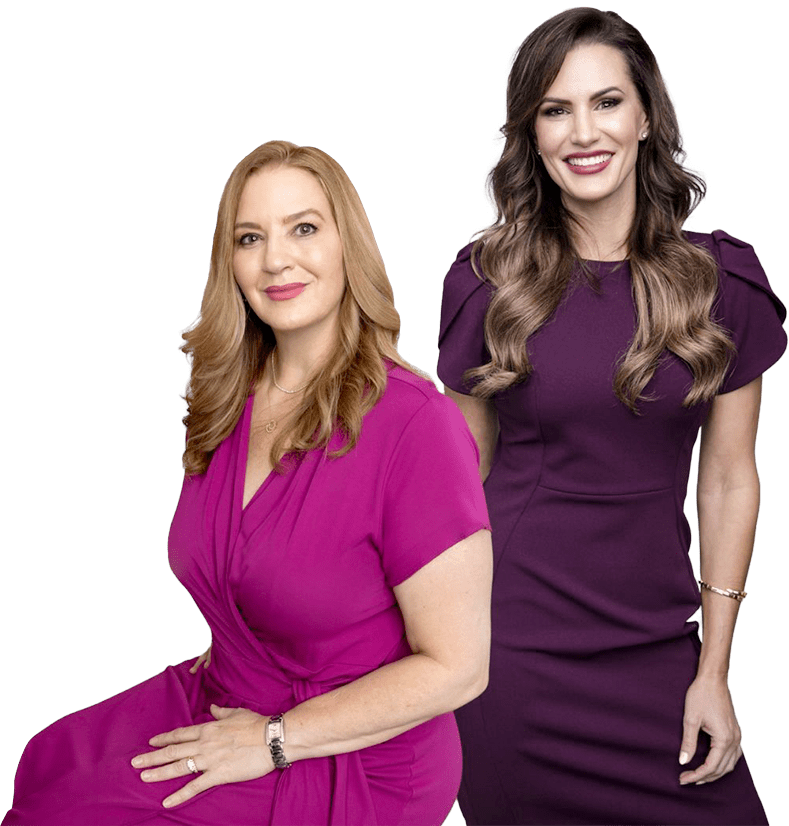
The Monarch Plastic Surgery & Skin Renewal Center team proudly serves Sandy Springs, Buckhead, and the greater Atlanta community. Led by board-certified surgeons Dr. Carmen Kavali and Dr. Teri Moak, our all-female leadership team is dedicated to providing safe, compassionate, and innovative aesthetic care. We specialize in personalized surgical and non-surgical treatments that help patients look and feel their very best.