


One of the most common questions patients ask after breast augmentation is how long their implants will last. While modern breast implants are highly durable, they are not considered lifetime devices. Over time, changes in the body, implant integrity, and personal preferences may lead patients to consider replacement or removal.
For patients in Atlanta, Buckhead, and Sandy Springs, understanding the realistic lifespan of breast implants—and knowing what signs to watch for—can help you make informed decisions and avoid unnecessary concern.
Table of Contents
Do Breast Implants Last Forever?
Breast implants are not designed to last forever. While they are made with durable materials and can remain in place for many years, they will eventually require evaluation and, in some cases, replacement or removal.
It’s important to understand that needing another procedure in the future is a normal part of having breast implants—not necessarily a sign that something has gone wrong.
Average Lifespan of Breast Implants
On average, breast implants can last anywhere from 10 to 20 years. Some patients may go longer without issues, while others may require earlier intervention depending on individual factors.
- Many implants last well beyond 10 years
- Some patients choose replacement sooner due to lifestyle or aesthetic changes
- Longevity varies based on implant type and body response
The key takeaway is that implants don’t have a strict expiration date—but they should be monitored over time.
Signs Your Implants May Need Replacement
There are several signs that may indicate it’s time to have your implants evaluated. Some are obvious, while others are more subtle.
- Changes in breast shape or size
- Firmness or hardening of the breast
- Pain or discomfort
- Visible asymmetry
- Implant shifting or dropping
- Suspected rupture or deflation
If you notice any of these changes, it’s important to schedule an evaluation to determine the cause and appropriate next steps.
Common Reasons for Implant Replacement
Not all implant replacements are due to complications. In fact, many patients choose to replace or remove implants for personal or aesthetic reasons.
- Desire to change size or shape
- Natural aging of the body
- Capsular contracture (tightening around the implant)
- Implant rupture or deflation
- Shifting preferences toward a more natural look
Patients exploring these options often consider breast implant revision or removal depending on their goals.
What If You Have No Problems?
If your implants feel comfortable, look natural, and show no signs of issues, you may not need immediate replacement—even after many years.
Routine monitoring is typically recommended rather than automatic replacement at a specific time interval. Many patients continue with their original implants well beyond the 10-year mark without complications.
How to Monitor Your Implants Over Time
Staying proactive is key to long-term implant health. Regular self-awareness and periodic medical evaluation can help detect changes early.
- Pay attention to changes in feel or appearance
- Schedule routine check-ups as recommended
- Discuss imaging if there are concerns about rupture
Monitoring allows patients to take action when needed rather than reacting to unexpected changes.
Your Options Moving Forward
If you reach a point where your implants need to be addressed, you have several options depending on your goals.
- Replace implants with a different size or type
- Remove implants completely
- Combine removal with a breast lift for improved shape
The right choice depends on your anatomy, preferences, and long-term vision for your body.
Final Thoughts
Breast implants are long-lasting, but not permanent. Understanding the timeline, recognizing potential signs of change, and staying proactive with monitoring can help you maintain results that feel right for you over time.
If you’re unsure about the condition of your implants or considering a change, a consultation can provide clarity and help you decide on the best next step.
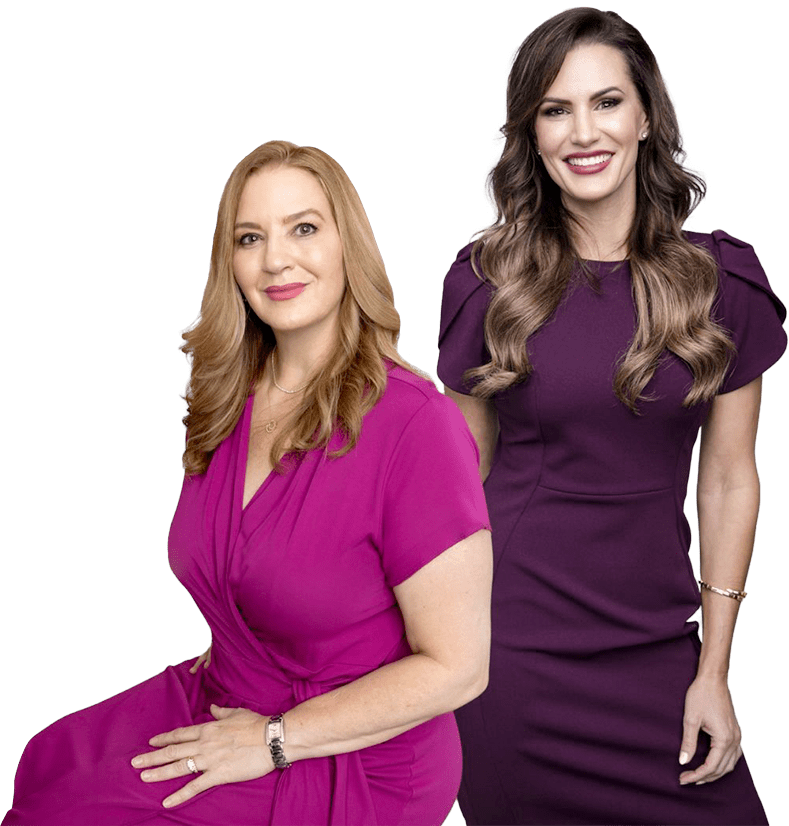
The Monarch Plastic Surgery & Skin Renewal Center team proudly serves Sandy Springs, Buckhead, and the greater Atlanta community. Led by board-certified surgeons Dr. Carmen Kavali and Dr. Teri Moak, our all-female leadership team is dedicated to providing safe, compassionate, and innovative aesthetic care. We specialize in personalized surgical and non-surgical treatments that help patients look and feel their very best.