


If you’re looking to improve skin texture, reduce fine lines, or treat acne scars, two of the most common treatments you’ll encounter are laser skin resurfacing and chemical peels.
While both aim to rejuvenate your skin, they use very different methods to achieve results—and choosing the right one depends on your skin type, concerns, and downtime tolerance.
Laser Skin Resurfacing vs Chemical Peels: Your Top Questions Answered
Is laser resurfacing better than a chemical peel?
Laser resurfacing is generally more powerful and effective for deeper wrinkles and scars, while chemical peels are better for mild to moderate skin concerns and maintenance.
Which treatment has more downtime?
Laser resurfacing typically has more downtime, especially with deeper treatments. Chemical peels can range from no downtime to several days depending on the strength.
Are chemical peels safer than lasers?
Both treatments are safe when performed by qualified providers. The right choice depends on your skin type and the expertise of your provider.
Can laser resurfacing remove acne scars?
Yes, laser resurfacing is one of the most effective treatments for reducing the appearance of acne scars and improving skin texture.
How often can you get these treatments?
Chemical peels can be done more frequently, while laser treatments are typically spaced out due to their intensity.
Table of Contents
Key Differences Between Laser Resurfacing and Chemical Peels
The primary difference lies in how each treatment works.
- Laser resurfacing: Uses focused light energy to remove damaged skin layers and stimulate collagen
- Chemical peels: Use acids to exfoliate and renew the skin
According to the ASPS laser resurfacing overview, laser treatments can target deeper layers of the skin compared to most peels.
What Laser Skin Resurfacing Does
Laser resurfacing works by delivering controlled energy to the skin, removing damaged layers and stimulating collagen production.
It is commonly used to treat:
- Fine lines and wrinkles
- Acne scars
- Sun damage
- Uneven skin texture
Laser treatments can be customized based on intensity, making them suitable for both mild and advanced concerns.
What Chemical Peels Do
Chemical peels use exfoliating acids to remove the outer layers of the skin, revealing smoother, brighter skin underneath.
According to the ASPS chemical peel guide, peels vary in strength from light to deep depending on your goals.
They are effective for:
- Dull or uneven skin tone
- Mild acne and discoloration
- Surface-level wrinkles
Results Comparison
Laser Resurfacing Results
- Significant skin tightening and smoothing
- Reduction in deep wrinkles and scars
- Longer-lasting improvement
Chemical Peel Results
- Brighter, smoother skin
- Improved tone and texture
- Gradual improvement over time
If your concerns are deeper, laser resurfacing typically delivers more dramatic results.
Who Is a Better Candidate?
Laser Resurfacing Candidates
- Have moderate to severe skin concerns
- Want noticeable, long-term improvement
- Are comfortable with downtime
Chemical Peel Candidates
- Have mild to moderate concerns
- Prefer minimal downtime
- Want ongoing skin maintenance
Downtime and Recovery
Recovery varies significantly between treatments.
- Laser resurfacing: Several days to weeks depending on intensity
- Chemical peels: Little to moderate downtime depending on depth
Your lifestyle and schedule often play a major role in choosing between these options.
Can You Combine Treatments?
Yes. Many patients use chemical peels for maintenance between laser treatments. This combination approach helps maintain results and improve skin quality over time.
Final Thoughts
Laser skin resurfacing and chemical peels both improve skin—but they are not interchangeable. The right choice depends on the depth of your concerns and your desired level of improvement.
A consultation can help determine the most effective treatment plan for your skin.
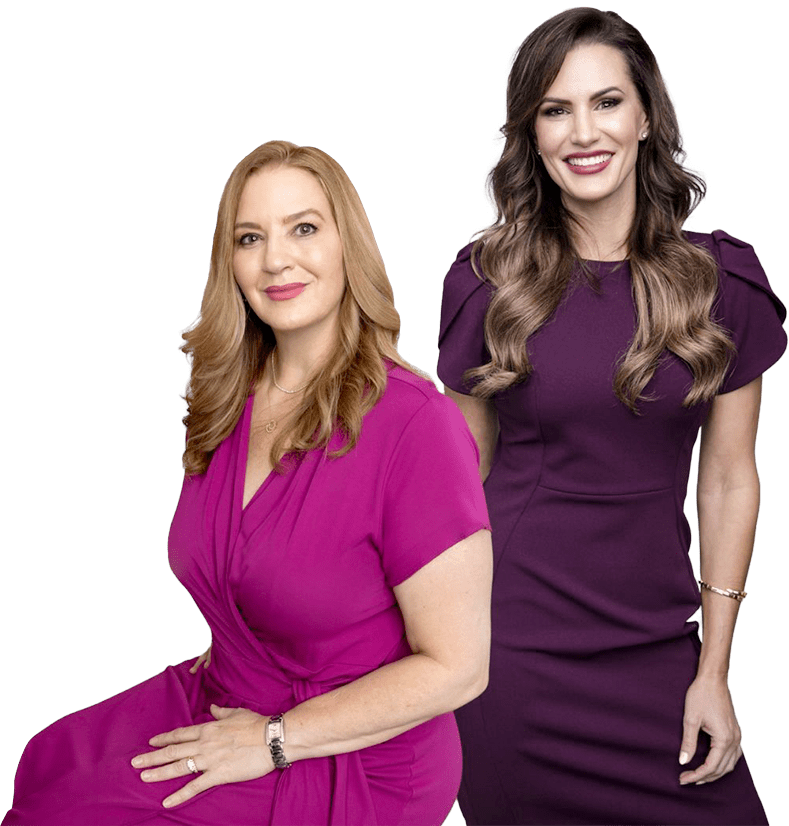
The Monarch Plastic Surgery & Skin Renewal Center team proudly serves Sandy Springs, Buckhead, and the greater Atlanta community. Led by board-certified surgeons Dr. Carmen Kavali and Dr. Teri Moak, our all-female leadership team is dedicated to providing safe, compassionate, and innovative aesthetic care. We specialize in personalized surgical and non-surgical treatments that help patients look and feel their very best.