

One of the most common things we hear during body contouring consultations is, “I think I need liposuction.” Many patients come to us frustrated by an area that will not change, even with exercise, weight loss, or healthy habits. They may point to the lower abdomen, waist, arms, thighs, or skin that hangs over clothing and assume the problem is stubborn fat.
Sometimes it is. But often, what patients are seeing is not just fat. It may be loose skin, stretched tissue, muscle separation, or a combination of concerns. This distinction matters because each issue requires a different approach. Liposuction can remove localized fat, but it cannot remove loose skin. A tummy tuck, arm lift, thigh lift, breast lift, or body lift may be needed when the main concern is skin laxity or stretched tissue.
At Monarch Plastic Surgery & Skin Renewal Center, we see this often in patients from Atlanta, Buckhead, Sandy Springs, and surrounding areas. Someone may be close to their goal weight and still feel uncomfortable in fitted clothing. Another patient may have lost weight or had children and feel like their body does not match the effort they have put in. Our job is to help identify what is actually causing the concern so the treatment plan matches the body, not just the patient’s best guess.
Quick Answers About Loose Skin vs Stubborn Fat
How can I tell if I have loose skin or stubborn fat?
Stubborn fat usually feels fuller, thicker, and more pinchable beneath the skin. Loose skin often looks wrinkled, crepey, folded, hanging, or stretched. In our consultations, many patients have a combination of both, especially after pregnancy, weight loss, or aging.
Can liposuction fix loose skin?
No. Liposuction removes fat, but it does not remove excess skin. If the skin is loose or hanging, liposuction alone may leave the area smaller but not necessarily tighter.
What procedure fixes loose skin?
The best procedure depends on the area. A tummy tuck can address loose abdominal skin, an arm lift can improve loose upper arm skin, a thigh lift can address thigh laxity, and a body lift may be appropriate after major weight loss.
What do results usually look like after body contouring?
When the right procedure is chosen, patients usually see a smoother, more supported contour. Liposuction results often look like improved shape and reduced fullness, while skin-removal procedures create a tighter, flatter, or more lifted appearance depending on the area treated.
What if I have both loose skin and stubborn fat?
This is very common. In those cases, we may recommend a combined approach. For example, liposuction may reduce stubborn fat while a tummy tuck, arm lift, thigh lift, or body lift removes excess skin and improves the overall shape.
Table of Contents
- Why We Separate Loose Skin From Stubborn Fat
- What Stubborn Fat Usually Looks Like
- What Loose Skin Usually Looks Like
- What We Commonly See After Pregnancy
- What We Commonly See After Weight Loss
- Common Areas Patients Ask Us About
- When We May Recommend Liposuction
- When Skin Removal May Be the Better Option
- When We Combine Fat Reduction and Skin Removal
- What Results Commonly Look Like
- How We Evaluate Your Options
- Choosing the Right Body Contouring Plan
Why We Separate Loose Skin From Stubborn Fat
When we evaluate a patient for body contouring, one of the first things we look at is whether the concern is caused by fat, skin, muscle, or a combination. This is the difference between a result that looks smooth and intentional and a result that does not fully solve the problem.
Stubborn fat is volume beneath the skin. Loose skin is stretched or weakened tissue that no longer contracts tightly over the body. They can appear in the same area, but they are not treated the same way.
This is especially important for the abdomen. A patient may point to the lower belly and say, “I cannot get rid of this fat.” When we examine the area, we may find that the concern is actually loose skin from pregnancy, abdominal muscle separation, or a combination of loose skin and fat. In that case, liposuction alone would not create the flat, firm result the patient wants.
The same issue happens with arms, thighs, breasts, and the lower body after weight loss. If the skin has stretched beyond what it can naturally retract, removing fat alone may make the area smaller but not tighter. That is why we focus so much on diagnosis before recommending a procedure.
The American Society of Plastic Surgeons describes body contouring after major weight loss as a way to remove excess sagging fat and skin while improving the shape and tone of the underlying tissue. In our experience, that is exactly the distinction patients need to understand: some concerns need contouring, and others need skin removal.
What Stubborn Fat Usually Looks Like
Stubborn fat usually appears as a localized pocket of fullness. Patients often tell us they can lose weight overall, but one area does not change the way they want it to. It may be the lower abdomen, flanks, waist, upper arms, thighs, back, bra line, or under the chin.
When the issue is mostly fat, the area often feels thicker and more pinchable beneath the skin. The overlying skin may still be fairly smooth, firm, and elastic. In those cases, reducing the fat can reveal a more defined contour.
We often see good liposuction candidates who are near a stable weight but bothered by specific fat pockets. They may exercise consistently and eat well, but their body shape still holds onto fullness in certain areas because of genetics, hormones, aging, or pregnancy-related changes.
Signs we may be looking at stubborn fat include:
- The area feels full, thick, or pinchable beneath the skin
- The skin itself is not significantly wrinkled, crepey, or hanging
- The fullness is concentrated in a specific area
- The patient’s weight is relatively stable
- The skin appears to have enough elasticity to contract after fat removal
- The goal is contour refinement rather than skin tightening
When these factors are present, liposuction may be an appropriate option. The goal is not weight loss. The goal is to improve shape, proportion, and contour.
What Loose Skin Usually Looks Like
Loose skin has a different appearance and feel. It may look wrinkled, crepey, folded, deflated, or hanging. Patients often notice it most when they bend forward, sit down, raise their arms, or wear fitted clothing.
In consultations, patients will sometimes pull on the area and say, “This is what bothers me.” If what they are holding is mostly thin, stretched skin rather than a thick layer of fat, liposuction is not usually the right standalone answer.
Loose skin often develops after pregnancy, weight loss, aging, or repeated weight fluctuation. Genetics also play a role. Some patients naturally have skin that rebounds well, while others develop laxity even after moderate body changes.
Signs we may be looking at loose skin include:
- The skin folds, hangs, or creases
- The area looks deflated rather than full
- The skin has a wrinkled or crepey texture
- The patient can pull extra skin away from the body
- The issue is worse when sitting, bending, or wearing certain clothing
- The area has changed after pregnancy, weight loss, or aging
When loose skin is the main concern, we usually discuss a skin-removal procedure. That may mean a tummy tuck for the abdomen, an arm lift for the upper arms, a thigh lift for the thighs, or a body lift for more significant lower-body laxity.
What We Commonly See After Pregnancy
Pregnancy can change the body in several ways at once. The abdominal skin stretches, the abdominal muscles may separate, breast volume may shift, and fat distribution may change. This is why many mothers tell us they feel strong and healthy but still do not feel like their body reflects the work they have put in.
One of the most common post-pregnancy concerns we see is the lower abdomen. Patients may describe a pouch, overhang, roundness, or skin that bunches above clothing. Sometimes the issue is fat. Sometimes it is loose skin. Sometimes it is diastasis recti, which is separation of the abdominal muscles. Often, it is all three.
This is where a customized approach matters. Liposuction may improve localized fat, but it will not repair separated abdominal muscles or remove stretched skin. A tummy tuck may be needed when the goal is a flatter, firmer abdomen and the concern involves skin and muscle support.
For some patients, the treatment plan may also include breast surgery. After pregnancy and breastfeeding, the breasts may look deflated, lower, or less full than before. Depending on the concern, a breast lift, breast augmentation, or lift with augmentation may be discussed as part of a mommy makeover.
What We Commonly See After Weight Loss
Weight loss can be a major achievement, but it does not always leave the body looking the way patients expected. We often meet patients who are proud of their progress but frustrated that loose skin still keeps them from feeling comfortable in clothing, swimsuits, or activewear.
After weight loss, the skin may not fully retract over the smaller body shape. This can create loose skin on the abdomen, arms, thighs, breasts, back, and lower body. Patients may feel like they still have fat, but in many cases, the remaining issue is skin that has lost elasticity.
We want patients to understand that loose skin after weight loss is not a failure. It is not something they caused by doing anything wrong. It is often simply the result of skin being stretched for a long period of time. Once skin has stretched beyond a certain point, surgery may be the only way to remove the excess.
Patients dealing with these concerns may benefit from reading more about loose skin after weight loss and the body contouring options that may help.
Common Areas Patients Ask Us About
Loose skin and stubborn fat can appear almost anywhere on the body, but some areas come up again and again in our consultations.
Abdomen: Patients may notice lower belly fullness, stretched skin, an overhang, stretch marks, or muscle separation. Liposuction may be helpful when fat is the main concern. A tummy tuck is usually better when loose skin or muscle separation is present.
Waist and flanks: These areas often hold stubborn fat. Liposuction can refine the waistline and improve body proportions when the skin quality is good.
Upper arms: Some patients have fat in the upper arms, while others have loose skin that hangs when the arms are lifted. Liposuction may help with fat, while an arm lift is usually needed when skin laxity is significant.
Thighs: Patients may notice inner thigh rubbing, loose skin, or stubborn fat pockets. Liposuction can improve shape, while a thigh lift may be better when the concern is hanging or folded skin.
Breasts: After pregnancy, weight loss, or aging, the breasts may lose volume, sit lower, or look deflated. A breast lift, breast augmentation, breast reduction, or lift with augmentation may be considered depending on the patient’s goals.
Back and lower body: After major weight loss, patients may notice loose skin around the back, hips, buttocks, or lower abdomen. A body lift may be discussed when laxity is more widespread.
When We May Recommend Liposuction
We may recommend liposuction when the main concern is localized fat and the skin has enough elasticity to contract after the fat is removed. This is common in patients who are close to their goal weight but want more refinement in specific areas.
Liposuction may be a good fit when:
- The concern is a distinct fat pocket
- The patient’s weight is stable
- The skin is firm and elastic
- There is minimal loose or hanging skin
- The goal is shape improvement rather than skin removal
The ASPS liposuction overview explains that liposuction is designed to remove localized fat deposits and improve contour. We emphasize this because liposuction is powerful when used for the right reason, but it is not a substitute for a tummy tuck, arm lift, thigh lift, or body lift when loose skin is the dominant concern.
When Skin Removal May Be the Better Option
We may recommend skin removal when the main concern is loose, stretched, or hanging skin. In these cases, simply removing fat may not create the smoother result the patient wants.
Skin removal may be the better option when:
- The skin hangs, folds, or creases
- There is lower abdominal overhang
- The arms or thighs have loose skin that moves or swings
- The skin looks deflated after weight loss
- The abdomen has loose skin and muscle separation
- Liposuction alone would likely leave the skin looking looser
Common skin-removal procedures include tummy tuck surgery, arm lift, thigh lift, breast lift, and body lift. These procedures are more involved than liposuction, but they address problems liposuction cannot correct.
When We Combine Fat Reduction and Skin Removal
Many of the best body contouring plans involve more than one technique. That does not mean every patient needs multiple procedures. It means the treatment plan should address all the factors contributing to the concern.
For example, a tummy tuck may remove loose abdominal skin and repair muscle separation, while liposuction refines the waist or flanks. An arm lift may remove loose skin, while liposuction can help reduce excess fullness. A thigh lift may tighten lax skin, while liposuction can improve surrounding contour.
When we combine procedures, the goal is balance. We are not just trying to make an area smaller. We are trying to create a smoother, more natural contour that fits the patient’s body.
What Results Commonly Look Like
When stubborn fat is the main concern and liposuction is the right procedure, results often look like a slimmer, more contoured version of the same body. Patients may notice better definition, less bulging in clothing, and improved proportions. The area usually looks refined rather than dramatically tightened.
When loose skin is the main concern and a skin-removal procedure is the right choice, results often look smoother, flatter, firmer, or more lifted depending on the area treated. For example, a tummy tuck may create a flatter abdomen and reduce overhang. An arm lift may reduce hanging skin on the upper arms. A thigh lift may improve looseness and friction along the inner thighs.
When both fat and loose skin are treated together, the result can be more comprehensive. Patients often notice that clothing fits better, the body feels more supported, and the treated area looks more proportional. These results are not about chasing an unrealistic ideal. They are about helping the body better reflect the patient’s effort, lifestyle, and goals.
How We Evaluate Your Options
During a consultation at Monarch Plastic Surgery & Skin Renewal Center, we evaluate more than the surface appearance of the area. We look at skin quality, fat distribution, muscle tone, scars, stretch marks, weight history, pregnancy history, and the patient’s goals.
We may ask what bothers the patient most in clothing, what changes after sitting or bending, whether weight has been stable, and what kind of result they are hoping for. These details help us determine whether liposuction, skin removal, muscle repair, or a combination plan makes the most sense.
We also talk honestly about recovery, scars, downtime, and what a realistic result may look like. This is especially important because the best procedure is not always the smallest procedure. It is the procedure that actually addresses the problem.
Choosing the Right Body Contouring Plan
Loose skin and stubborn fat can both affect body confidence, but they are not the same issue. Stubborn fat may respond well to liposuction when the skin is firm and elastic. Loose skin usually requires a skin-removal procedure if the goal is a smoother, tighter contour.
If both concerns are present, a customized plan may be needed. The right approach may involve liposuction, tummy tuck surgery, body lift, arm lift, thigh lift, breast surgery, or a thoughtful combination based on your anatomy and goals.
To explore body contouring options after pregnancy, weight loss, aging, or stubborn fat concerns, schedule a consultation with Monarch Plastic Surgery & Skin Renewal Center in Atlanta, Buckhead, and Sandy Springs.
Contact Monarch Plastic Surgery to request your consultation.
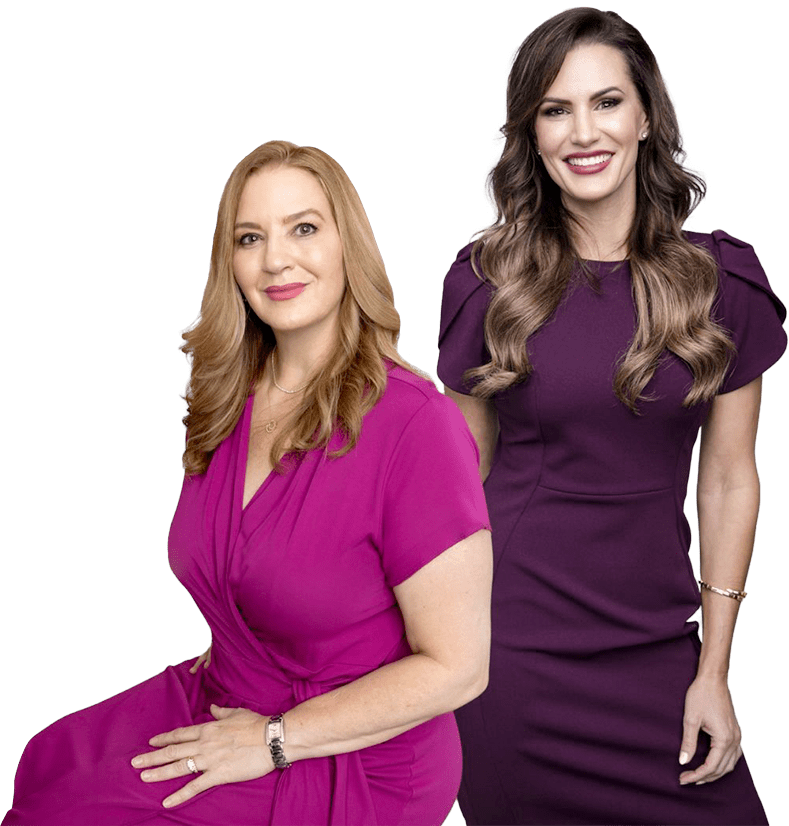
The Monarch Plastic Surgery & Skin Renewal Center team proudly serves Sandy Springs, Buckhead, and the greater Atlanta community. Led by board-certified surgeons Dr. Carmen Kavali and Dr. Teri Moak, our all-female leadership team is dedicated to providing safe, compassionate, and innovative aesthetic care. We specialize in personalized surgical and non-surgical treatments that help patients look and feel their very best.