

One of the most emotional things we hear from patients after major weight loss is, “I did the work, but I still don’t feel finished.” For many people, losing weight is a major accomplishment. It may represent years of effort, a new relationship with health, improved strength, better mobility, or a completely different way of living. But even after that progress, the body may not look the way the patient expected.
At Monarch Plastic Surgery & Skin Renewal Center, we often meet patients from Atlanta, Buckhead, Sandy Springs, and surrounding areas who have lost weight but still feel uncomfortable because of loose skin, body folds, stretched tissue, deflated breasts, stubborn fat pockets, or areas that no longer feel supported. This can be frustrating because the number on the scale may have changed, but the mirror may still not reflect the result the patient hoped for.
Plastic surgery after weight loss can be powerful, but it is important to understand what it can and cannot fix. Procedures like tummy tuck surgery, liposuction, arm lift, thigh lift, breast lift, and body lift can help improve contour, remove loose skin, and restore better proportion. But surgery is not a substitute for weight loss, and it cannot erase every mark, texture change, or sign of the journey your body has been through.
Quick Answers About Plastic Surgery After Weight Loss
What can plastic surgery fix after major weight loss?
Plastic surgery can often improve loose skin, body folds, stubborn fat pockets, abdominal overhang, deflated breasts, arm laxity, thigh laxity, and body proportions after weight loss. The right procedure depends on the area and what tissue needs to be corrected.
Can plastic surgery remove all loose skin after weight loss?
Surgery can remove a significant amount of loose skin, but results depend on anatomy, skin quality, scar placement, and the areas being treated. The goal is usually a smoother, more supported contour, not a completely perfect or scar-free body.
Can liposuction fix loose skin after weight loss?
No. Liposuction removes fat, but it does not remove loose skin. If the main concern is hanging skin or tissue laxity, a skin-removal procedure such as a tummy tuck, arm lift, thigh lift, or body lift may be more appropriate.
When should I consider body contouring after weight loss?
Patients are usually best served when they are at or near a stable weight, in good overall health, and able to plan for recovery. Weight stability helps create more predictable and longer-lasting results.
What do results usually look like after post-weight-loss body contouring?
When the right plan is chosen, patients commonly see smoother contours, less hanging skin, better clothing fit, improved body proportion, and a more supported shape. Results should look natural for the patient’s body and reflect realistic surgical goals.
Table of Contents
- Why Weight Loss Does Not Always Create the Shape Patients Expected
- What We Commonly See After Major Weight Loss
- What Plastic Surgery Can Improve After Weight Loss
- What Plastic Surgery Cannot Fix
- Loose Skin After Weight Loss
- Abdominal Changes After Weight Loss
- Breast Changes After Weight Loss
- Arm, Thigh, and Lower Body Changes
- Why Liposuction May Not Be Enough
- What Common Results Usually Look Like
- How We Build a Safe Surgical Plan
- Choosing the Right Body Contouring Plan After Weight Loss
Why Weight Loss Does Not Always Create the Shape Patients Expected
Weight loss changes volume, but it does not always restore shape. This is one of the most important things we explain to patients who come in after losing a significant amount of weight. The body may be smaller, healthier, and lighter, but the skin and tissues may not contract back to match the new size.
Skin elasticity depends on many factors, including age, genetics, how much weight was lost, how long the skin was stretched, pregnancy history, sun exposure, smoking history, and overall collagen quality. Some patients have skin that retracts well. Others are left with folds, looseness, or deflated tissue even after doing everything right.
This can feel discouraging because patients often imagine that reaching a goal weight will automatically create the shape they want. In reality, weight loss can reveal new concerns. A lower belly overhang may become more visible. The arms may look looser. The thighs may have more laxity. The breasts may lose volume and position.
We want patients to know that this is common. Loose skin after weight loss is not a sign that the patient failed. It is often a natural result of the skin being stretched beyond its ability to rebound.
What We Commonly See After Major Weight Loss
During post-weight-loss body contouring consultations, patients often describe feeling proud of their progress but still uncomfortable with specific areas. They may feel healthier and stronger, but still avoid certain clothing, swimwear, photos, or intimate situations because of loose skin or body folds.
Common concerns we hear include:
- “I lost the weight, but I still have skin hanging over my stomach.”
- “My arms look loose even though I work out.”
- “My thighs rub or have extra skin.”
- “My breasts look deflated now.”
- “My clothes fit better in size but still do not look right.”
- “I feel like my body does not match the effort I put in.”
- “I do not know if I need liposuction or skin removal.”
These concerns usually involve loose skin, stubborn fat, tissue laxity, volume loss, or a combination. The right procedure depends on which of those issues is present and how much correction is needed.
Patients who are not sure whether their concern is fat or skin may also find our article on loose skin vs stubborn fat helpful.
What Plastic Surgery Can Improve After Weight Loss
Plastic surgery after weight loss can improve many concerns that diet and exercise cannot fully correct. When the skin has stretched and no longer retracts, surgery may be the most effective way to remove the excess and reshape the area.
Depending on the patient’s anatomy, plastic surgery may improve:
- Loose abdominal skin
- Lower belly overhang
- Stubborn fat pockets
- Loose upper arm skin
- Inner thigh laxity
- Breast deflation or sagging
- Skin folds around the lower body
- Back rolls or flank laxity
- Body proportions after major weight loss
- Clothing fit and comfort
Common procedures may include tummy tuck surgery, liposuction, arm lift, thigh lift, breast lift, breast reduction, breast augmentation, or body lift. Some patients need one focused procedure, while others need a staged or combined plan to safely address multiple areas.
The goal is not to erase the patient’s history. The goal is to improve support, shape, and comfort so the body better reflects the progress the patient has already made.
What Plastic Surgery Cannot Fix
Plastic surgery can be transformative, but it has limits. We believe patients should understand those limits before choosing a procedure. A realistic conversation helps create better satisfaction and a healthier surgical experience.
Plastic surgery cannot replace weight loss, stop future aging, prevent future weight changes, or guarantee a completely scar-free result. It also cannot remove every stretch mark or correct every texture change in the skin. Some stretch marks may be removed if they are located on skin that is surgically excised, but stretch marks outside the removed area may remain.
Plastic surgery also cannot change the need for long-term weight stability. If a patient gains or loses a significant amount of weight after surgery, results can change. Remaining fat cells can enlarge, and skin can stretch again.
We also explain that body contouring is not about creating a perfect body. It is about improving the specific areas that no longer respond to weight loss, exercise, or time. The best results are usually natural, proportional, and realistic for the patient’s anatomy.
Loose Skin After Weight Loss
Loose skin is one of the most common reasons patients seek plastic surgery after major weight loss. Once the body loses volume, the skin may not shrink back completely. This can leave hanging tissue, folds, or areas that feel unsupported.
Loose skin may appear on the abdomen, arms, thighs, breasts, back, hips, buttocks, or neck. For some patients, it is mostly cosmetic. For others, it can also affect comfort, hygiene, movement, clothing fit, or skin irritation.
In our consultations, we evaluate how much skin is present, where it is located, how it moves, and whether there is also stubborn fat beneath it. This helps us determine whether the patient may benefit from a tummy tuck, arm lift, thigh lift, body lift, breast lift, or another body contouring procedure.
Patients dealing with these changes may benefit from reading more about loose skin after weight loss.
Abdominal Changes After Weight Loss
The abdomen is one of the most common areas patients ask us about after major weight loss. Many patients have loose skin, lower abdominal overhang, stretch marks, stubborn fat, or abdominal wall changes that do not improve with exercise alone.
A tummy tuck may be recommended when loose skin or abdominal overhang is the main concern. During tummy tuck surgery, excess skin can be removed, the abdomen can be reshaped, and the abdominal wall may be tightened when appropriate.
Liposuction may be helpful when the skin quality is good and the main concern is localized fat. However, if the skin is loose, liposuction alone may not create the smoother result the patient wants.
For many post-weight-loss patients, abdominal contouring may involve more than one technique. A tummy tuck may address loose skin and support, while liposuction may refine the waist, flanks, or surrounding areas.
Patients who are unsure why the lower abdomen still bothers them may also find our article on why the lower belly pooch won’t go away helpful.
Breast Changes After Weight Loss
Weight loss can significantly change the breasts. Some patients lose volume and feel deflated. Others notice sagging, asymmetry, excess skin, or a lower breast position. These changes can happen because the breasts contain fatty tissue, glandular tissue, and skin that may stretch or shift with weight changes.
Patients often tell us they are happy with their weight loss but unhappy with how their breasts look afterward. They may feel that the breasts no longer match the rest of their body or that clothing fits differently than expected.
A breast lift may help raise and reshape sagging breasts. Breast augmentation may help restore volume. A breast lift with augmentation may be appropriate when both position and fullness need to be addressed. Breast reduction may be considered when the breasts remain heavy or uncomfortable after weight loss.
The right option depends on the patient’s breast position, skin quality, remaining volume, nipple position, asymmetry, and desired shape.
Arm, Thigh, and Lower Body Changes
The arms and thighs often become more noticeable after weight loss because loose skin may remain even after fat volume decreases. Patients may feel that their arms or thighs do not match the rest of their progress.
In the upper arms, patients commonly describe hanging skin or “bat wings.” If the concern is mostly fat and the skin is firm, liposuction may help. If the concern is loose skin, an arm lift may be the better option.
In the thighs, patients may notice inner thigh rubbing, loose skin, or folds that affect clothing and comfort. Liposuction may improve stubborn fat, but a thigh lift may be needed when skin laxity is more significant.
Some patients also notice laxity around the lower body, hips, back, or buttocks. In those cases, a body lift may be considered if loose skin is more widespread.
Patients interested in arm contouring may also read our article on arm lift vs arm liposuction.
Why Liposuction May Not Be Enough
Liposuction is an excellent procedure when the concern is localized fat and the skin has enough elasticity to contract after fat removal. But after major weight loss, many patients are dealing with loose skin more than fat.
This is where liposuction has limits. It can remove fat, but it cannot remove hanging skin, tighten stretched tissue, or lift deflated areas. In some patients, removing fat without addressing loose skin may make the skin look looser.
That does not mean liposuction has no role after weight loss. It can be very helpful when used strategically. For example, liposuction may refine the waist during a tummy tuck, reduce fullness around the arms during an arm lift, or improve contour around the thighs or back. But when loose skin is the dominant concern, skin removal is usually needed for a smoother result.
This is why we evaluate the body in layers. We look at fat, skin, tissue laxity, muscle support, and overall proportion before recommending any procedure.
What Common Results Usually Look Like
Post-weight-loss body contouring results vary based on the procedures performed, but the common goal is a smoother, more supported, and more proportional body shape.
After a tummy tuck, patients may see a flatter abdomen, less overhang, and improved abdominal support. After an arm lift, patients may notice less hanging skin and better arm contour. After a thigh lift, patients may experience smoother inner thigh shape and less loose skin. After breast surgery, patients may see improved breast position, volume, or proportion.
Many patients tell us that clothing fits more comfortably after body contouring. They may feel less need to hide certain areas, adjust fabric, or avoid certain styles. The emotional benefit can be meaningful because the body may finally feel more aligned with the work the patient has already done.
That said, surgery does involve tradeoffs. Skin-removal procedures require incisions, which means scars. Recovery takes time. Results continue to refine as swelling improves. We discuss these realities openly so patients can decide whether the benefits outweigh the tradeoffs for them.
How We Build a Safe Surgical Plan
After major weight loss, patients may want to address several areas at once. While combining procedures can be appropriate for some patients, safety always comes first. We consider the patient’s health, surgical goals, recovery support, procedure length, and whether staging procedures would be safer or more effective.
During consultation, we ask about weight history, current weight stability, medical conditions, medications, prior surgeries, pregnancies, lifestyle, and recovery support. We also talk about which areas bother the patient most so we can prioritize the plan.
Sometimes one procedure is the right first step. Other times, a combined approach may make sense. In some cases, staging procedures over time may provide a safer and more manageable path.
We want patients to feel informed, not rushed. A good post-weight-loss body contouring plan should respect the patient’s health, goals, anatomy, and recovery needs.
Choosing the Right Body Contouring Plan After Weight Loss
Major weight loss is something to be proud of. If loose skin, body folds, deflated breasts, or stubborn fat still bother you, it does not take away from the work you have done. It may simply mean your skin and tissues need help that lifestyle changes cannot provide.
Plastic surgery after weight loss can often improve shape, support, proportion, and clothing fit. The right plan may include tummy tuck surgery, liposuction, arm lift, thigh lift, breast lift, body lift, or a customized combination. The most effective approach depends on what your body actually needs.
To explore plastic surgery after weight loss or a personalized body contouring plan in Atlanta, Buckhead, and Sandy Springs, schedule a consultation with Monarch Plastic Surgery & Skin Renewal Center.
Contact Monarch Plastic Surgery to request your consultation.
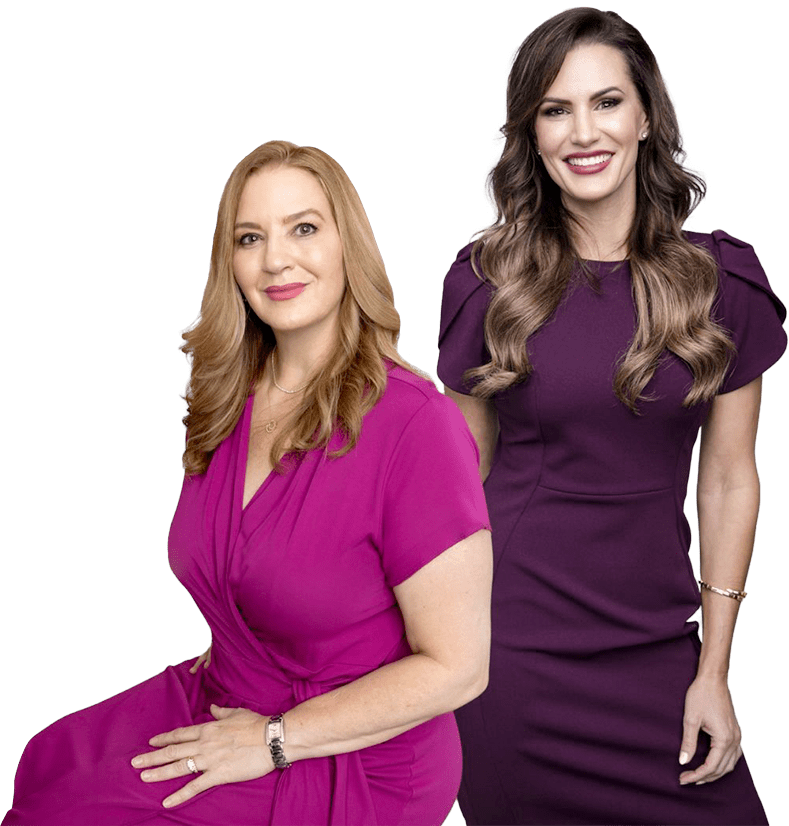
The Monarch Plastic Surgery & Skin Renewal Center team proudly serves Sandy Springs, Buckhead, and the greater Atlanta community. Led by board-certified surgeons Dr. Carmen Kavali and Dr. Teri Moak, our all-female leadership team is dedicated to providing safe, compassionate, and innovative aesthetic care. We specialize in personalized surgical and non-surgical treatments that help patients look and feel their very best.