Main Content
Facelift
Facelift
Facelift
Facelift in Sandy Springs & Atlanta
Conveniently located to serve Atlanta, Buckhead, and Sandy Springs
At Monarch Plastic Surgery & Skin Renewal Center, facelift surgery is designed to restore a more youthful, refreshed appearance by addressing the deeper structural changes that occur with aging. Over time, factors such as sun exposure, stress, and natural collagen loss cause the skin to lose elasticity while underlying facial tissues begin to descend.
These changes often lead to sagging skin, jowls, deep creases, and a loss of jawline definition—creating an appearance that may not reflect how you feel. While non-surgical treatments like Botox and dermal fillers can improve early signs of aging, they cannot correct more advanced structural concerns.
A facelift works at a deeper level, lifting and repositioning facial tissues while removing excess skin. The result is a smoother, more defined appearance that looks natural and long-lasting—not tight or overdone.
Patients throughout Sandy Springs and Atlanta choose Monarch Plastic Surgery for a personalized approach that focuses on subtle, refined results tailored to their unique facial structure and goals.
What Is a Facelift?
A facelift, or rhytidectomy, is a surgical procedure designed to improve visible signs of aging in the mid and lower face. It addresses concerns such as loose or sagging skin, deep wrinkles, jowls, and loss of jawline definition.
Modern facelift techniques go beyond simply tightening the skin. Instead, they focus on lifting and repositioning the deeper layers of facial tissue to restore natural contours and create results that age gracefully over time.
By addressing the underlying structure of the face, a facelift provides more comprehensive and longer-lasting results compared to non-surgical treatments alone.
For patients looking to enhance their overall appearance, complementary procedures such as a brow lift or eyelid surgery may be recommended to achieve a balanced, rejuvenated look.
Understanding Facial Aging and Why a Facelift Works
Facial aging is a multi-layered process. In addition to skin laxity, changes occur in the deeper structures of the face, including loss of volume in the cheeks, weakening of connective tissues, and gravitational descent of facial fat pads.
These structural changes are what create sagging skin, jowls, and deep folds around the mouth and jawline. Because of this, treatments that only address the surface of the skin often reach a point where they can no longer deliver meaningful results.
A facelift corrects these concerns at their source by lifting and repositioning deeper facial tissues, including the SMAS (superficial musculoaponeurotic system). This approach restores youthful contours to the cheeks, jawline, and lower face.
The result is a more natural, refreshed appearance—avoiding the overly tight or artificial look associated with older facelift techniques.
Pairing a Neck Lift with a Facelift
Many patients choose to combine their facelift with a neck lift to achieve more comprehensive rejuvenation.
While a facelift improves the mid and lower face, a neck lift targets loose skin, excess fat, and muscle banding beneath the chin and along the neck. Treating both areas together creates a smoother, more natural transition from the face to the neckline.
This combination is especially beneficial for patients with visible aging in both the jawline and neck, helping restore a sharper, more defined profile.
By addressing the face and neck as a unified structure, patients typically achieve more balanced, longer-lasting results.
Good Candidates for a Facelift
Facelift candidates are typically individuals who notice sagging in the mid or lower face, jowling along the jawline, or deep facial creases that do not respond to non-surgical treatments.
You may be a good candidate if you are in good overall health, have realistic expectations, and are a non-smoker or willing to stop smoking before and after surgery to support proper healing.
Patients often seek a facelift when they feel their appearance looks tired or aged compared to how they feel. The procedure is designed to restore definition and create a more refreshed, natural look—not to change your identity.
If your concerns are limited to fine lines, skin texture, or early aging, treatments such as upper eyelid surgery or non-surgical skin rejuvenation may be more appropriate.
During your consultation at Monarch Plastic Surgery, your surgeon will evaluate your facial structure, skin quality, and goals to determine the best approach for your desired outcome.
Facelift Techniques
Facelift surgery can be performed using several advanced techniques, depending on the degree of aging and your individual anatomy. The goal is always to achieve natural-looking results that enhance your features without appearing overdone.
One of the most advanced options is the deep plane facelift, also known as a sub-SMAS facelift. This technique is particularly effective for patients with more pronounced skin laxity, jowling, and midface descent.
Unlike traditional methods that focus primarily on the skin, the deep plane approach lifts beneath the SMAS layer and releases key facial ligaments. This allows the cheeks, jawline, and neck to be repositioned as a single unit, creating smoother, longer-lasting results.
This structural approach helps avoid the “pulled” look associated with older facelift techniques and instead delivers a more natural, refreshed appearance that ages gracefully over time.
During your consultation, your surgeon will recommend the most appropriate technique based on your facial structure, skin condition, and aesthetic goals.
The Facelift Recovery Process
Recovery after a facelift varies based on the technique used and individual healing factors, but most patients find the process manageable and well worth the results.
In the first week, swelling and bruising are expected and gradually begin to improve. Most patients feel comfortable returning to non-strenuous activities within 10 to 14 days, although some residual swelling may still be present.
Strenuous exercise and heavy lifting should be avoided for several weeks to allow proper healing. Incisions are carefully placed to be discreet and typically fade well over time.
As swelling continues to subside, your facial contours become more defined, revealing a smoother, more youthful appearance.
To better understand realistic outcomes, patients are encouraged to review before and after facelift results.
How Long Do Facelift Results Last?
A facelift can deliver long-lasting improvements, often helping patients look years younger. While the procedure does not stop the natural aging process, it effectively resets the clock by restoring more youthful facial contours.
Most patients enjoy results that last many years, especially when maintaining a healthy lifestyle, protecting their skin from sun exposure, and following a consistent skincare routine.
Over time, natural aging will continue, but patients typically still look significantly younger than they would have without surgery. The improvements in jawline definition, skin tightness, and overall facial structure remain noticeable well into the future.
Many patients choose to maintain their results with non-surgical treatments such as Botox or dermal fillers to address minor changes as they age.
Schedule Your Facelift Consultation in Sandy Springs
If you’re ready to restore a more youthful, defined appearance, a facelift at Monarch Plastic Surgery can help you achieve natural-looking, long-lasting results. Every procedure is tailored to your facial structure and goals, ensuring you look refreshed—not overdone.
Dr. Carmen Kavali and Dr. Teri Moak work with patients throughout Sandy Springs, Atlanta, and Buckhead to create personalized treatment plans and guide you through every step of the process—from consultation to recovery.
Your consultation is the best way to understand your options and determine whether a facelift alone or combined with procedures like a neck lift or eyelid surgery is right for you.
Take the first step toward a more confident, refreshed appearance. Schedule your consultation today and discover what’s possible with a facelift in Sandy Springs.
Questions & Answers
A facelift procedure can be combined with a number of other surgical facial procedures in order to create more comprehensive facial rejuvenation. Blepharoplasty surgery can be included to rejuvenate sagging or puffy eyelids. A forehead lift can be performed to address age lines on the forehead and drooping eyebrows. Facial fat grafting can be included to even out hollow areas like the temples.
A facelift can also be paired with breast, body, and non-surgical procedures for further enhancement. To find out more about your options, ask about combination procedures during your personalized consultation at Monarch Plastic Surgery and Skin Renewal Center.
By tightening sagging skin and lifting the underlying facial tissues, a facelift operation can make patients look up to ten years younger. This varies from patient to patient based on the specific details of their surgery.
However, it is important to remember that the aging process will continue after your facelift. This means that skin laxity will increase and wrinkles will continue to deepen. However, facelift patients still look much younger overall despite these natural effects of aging.
There is no one ideal age for a facelift. The best age to come in for a facelift is whenever you are interested in addressing moderate to severe signs of facial aging. Rhytidectomy patients generally range from ages 40 to 80, and while age is a factor in determining candidacy, it is far from the only factor being considered.
Other factors that are typically considered include the severity of the signs of aging being treated and the patient’s overall health. Because of this, some younger patients may be better served with less extensive procedures and treatments, and some older patients may be more prone to complications based on factors like skin quality and pre-existing health conditions.
Gallery
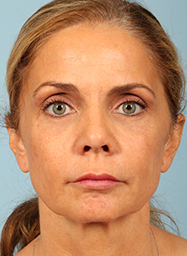
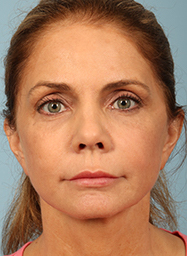
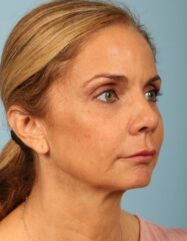
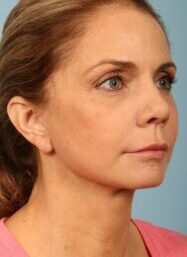
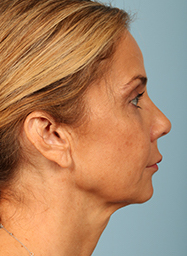
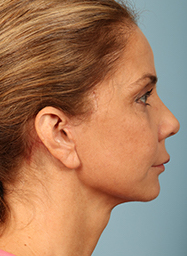
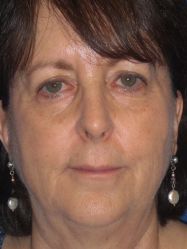
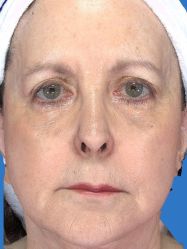
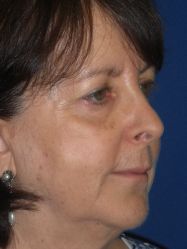
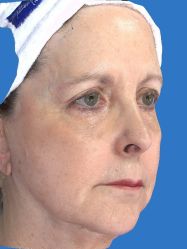
A facelift/necklift refresh for this 50-something year old woman gave her a more youthful look.
- Age: 41 - 55
- Gender: Female
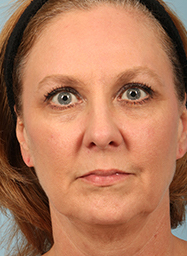
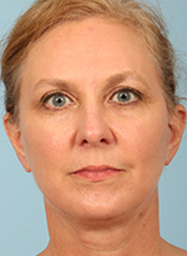
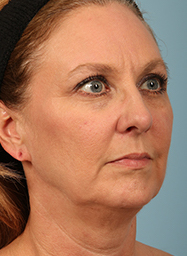
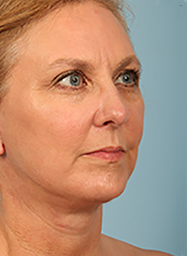
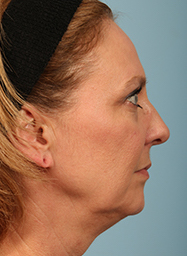
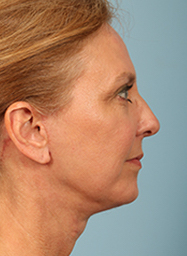
52 year old female desiring face and neck rejuvenation underwent a facelift and necklift with Dr. Kavali. She also had a TCA peel at the same time to refresh her skin. She is shown before and about 6 months after surgery.
- Age: 41 - 55
- Gender: Female
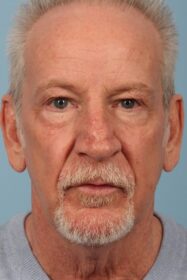
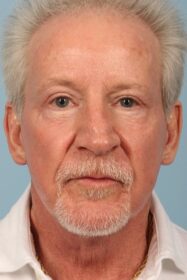
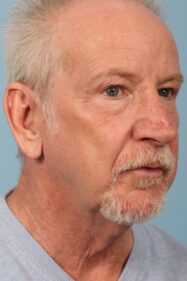
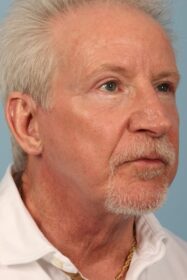
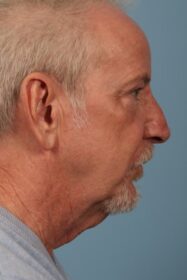
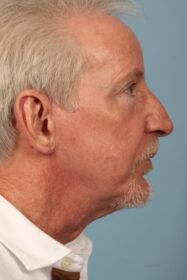
67 year old male shown before and after upper and lower eyelid contouring (blepharoplasty), facelift with necklift, fat transfer to the cheeks and temples, and earlobe reduction.
- Age: Over 55
- Gender: Male
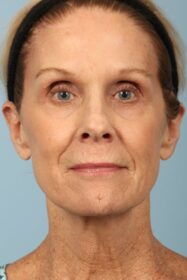
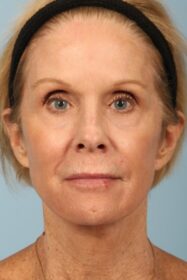
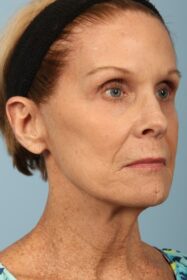
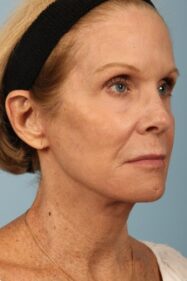
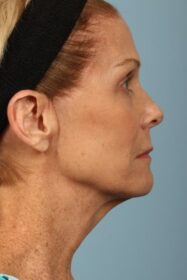
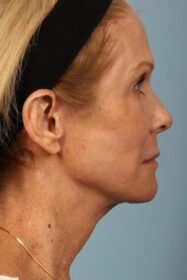
64 year old female before and about 6 months after facelift, necklift, CO2 laser resurfacing, and fat transfer to the midface.
- Age: Over 55
- Gender: Female
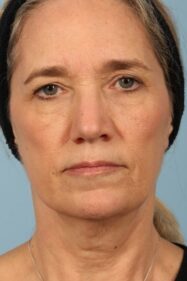
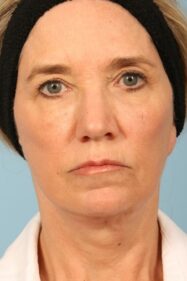
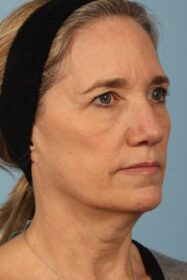
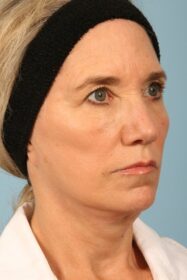
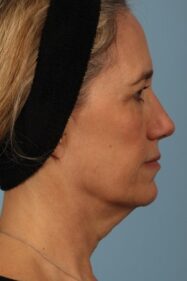
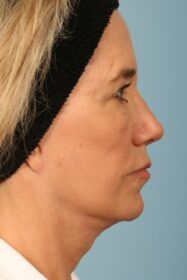
59 year old female desiring facial rejuvenation. She had a facelift, necklift, and fat grafting to her temples, cheeks, and lips. She is shown before and about 8 months after surgery.
- Age: Over 55
- Gender: Female
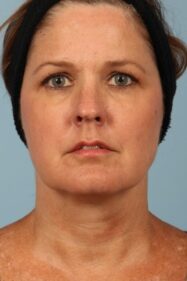
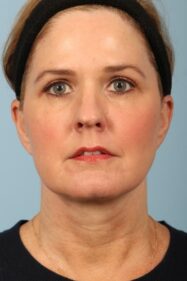
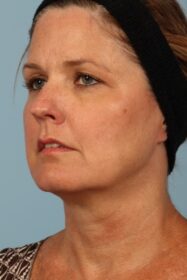

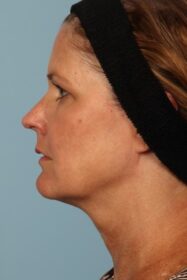
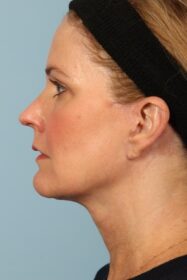
58 year old female desired facial and eye rejuvenation. She is shown before and after having a facelift with necklift and upper blepharoplasty (removal of excess skin and fat from upper eyelids).
- Age: Over 55
- Gender: Female