

One of the most common things we hear from mothers during body contouring consultations is, “I’m back to the same weight I was before pregnancy, but my clothes do not fit the same.” For many women, this can feel confusing and discouraging. The scale may show a familiar number, but jeans, dresses, bras, swimsuits, or workout clothes may still fit differently than they did before pregnancy.
At Monarch Plastic Surgery & Skin Renewal Center, we see this often in patients from Atlanta, Buckhead, Sandy Springs, and surrounding areas. A patient may be at a healthy weight, exercising consistently, and feeling strong again, but still notice a lower belly pouch, loose abdominal skin, breast deflation, changes in waist shape, or a body contour that feels different in clothing.
This does not mean the patient failed to “bounce back.” Pregnancy can change the body in ways that weight alone does not measure. Skin elasticity, abdominal muscle separation, breast volume, fat distribution, posture, and tissue laxity can all affect how clothing fits. Our goal is to help patients understand what has changed so we can recommend a plan that fits their body, their lifestyle, and their goals.
Quick Answers About Why Clothes Fit Differently After Pregnancy
Why do my clothes fit differently after pregnancy even at the same weight?
Pregnancy can stretch the skin, separate abdominal muscles, change breast volume, shift fat distribution, and affect body proportions. Because clothing responds to shape and structure, not just weight, your clothes may fit differently even if the scale looks the same.
Why do my jeans feel tighter or uncomfortable after pregnancy?
Jeans may fit differently because of lower abdominal fullness, loose skin, a changed waistline, muscle separation, or changes around the hips and lower belly. Many patients notice that the waistband area feels different even after weight loss.
Can exercise fix post-pregnancy body changes?
Exercise can improve strength, posture, muscle tone, and overall health, but it cannot remove excess skin, restore lost breast volume, or surgically repair significant abdominal muscle separation.
What procedures may help clothes fit better after pregnancy?
Depending on the concern, options may include tummy tuck surgery, liposuction, breast lift, breast augmentation, breast lift with augmentation, or a mommy makeover. The right plan depends on whether the issue is skin, fat, muscle separation, breast changes, or a combination.
What do natural-looking results usually look like?
Natural-looking post-pregnancy body contouring results often look smoother, more supported, and more proportional. Patients commonly notice better clothing fit, less lower belly overhang, improved waist contour, or a breast shape that feels more balanced with their body.
Table of Contents
- Why the Same Weight Does Not Always Mean the Same Shape
- What We Commonly Hear From Patients After Pregnancy
- How Pregnancy Changes the Abdomen
- Why Jeans May Fit Differently After Pregnancy
- How Breast Changes Affect Clothing Fit
- Why the Waist, Hips, and Lower Belly May Feel Different
- When Exercise and Weight Loss Are Not Enough
- What Procedures May Help Restore Proportion
- What Natural-Looking Results Usually Look Like
- How We Customize a Post-Pregnancy Body Contouring Plan
- Choosing the Right Plan for Your Body After Pregnancy
Why the Same Weight Does Not Always Mean the Same Shape
Weight is only one measurement. It does not show skin quality, muscle separation, breast position, fat distribution, tissue laxity, posture, or proportion. This is why two people can weigh the same but have completely different body shapes. It is also why a patient can return to her pre-pregnancy weight and still feel like her body is not the same.
Pregnancy stretches the abdomen, breasts, skin, and deeper support structures. After delivery, some tissues recover well, while others may not fully return to their previous position or firmness. The result can be a body that is similar in weight but different in contour.
We often explain this to patients who feel disappointed after reaching a goal. The issue is not always extra weight. It may be that the lower abdomen has loose skin, the abdominal muscles have separated, the breasts have lost volume, or the waistline has changed shape.
Clothing makes these changes more noticeable because clothing follows contour. A waistband may sit differently over loose abdominal skin. A fitted dress may reveal lower belly fullness. Bras may fit differently if the breasts have lost volume or sit lower. Workout clothes may highlight areas that feel less supported.
What We Commonly Hear From Patients After Pregnancy
Many of our post-pregnancy body contouring conversations start with clothing. Patients are not always focused on a dramatic transformation. Often, they simply want to feel comfortable getting dressed again.
Common things we hear include:
- “I weigh the same, but my jeans do not fit the same.”
- “My lower belly pushes over my waistband.”
- “My clothes fit in size, but not in shape.”
- “My breasts look empty in bras now.”
- “I feel like my waist disappeared after pregnancy.”
- “I work out, but my stomach still looks stretched.”
- “I do not want to look different. I just want to feel like myself again.”
These concerns are very common, and they are not always solved by more exercise or more weight loss. The body may need a different kind of correction depending on what has changed.
For many patients, the most helpful first step is identifying whether the concern is loose skin, stubborn fat, muscle separation, breast deflation, or a combination. Once we know that, the treatment conversation becomes much clearer.
How Pregnancy Changes the Abdomen
The abdomen is one of the areas most affected by pregnancy. As the body grows to support a baby, the abdominal skin stretches, the muscles expand, and the connective tissue between the abdominal muscles may widen. After pregnancy, these changes do not always fully reverse.
Some patients notice loose skin or stretch marks. Others notice a lower belly pouch that remains even after weight loss. Some feel like their abdomen looks rounded or unsupported. In certain cases, abdominal muscle separation, also known as diastasis recti, contributes to the appearance of a protruding belly.
This is why the abdomen may look different even when the patient returns to her previous weight. The issue may not be fat alone. It may be skin, muscle, or tissue laxity.
A tummy tuck may be appropriate when loose skin or muscle separation is present. Liposuction may be helpful when localized fat is the main concern and the skin has good elasticity. Some patients benefit from both.
Patients who relate to this concern may also find our article on why the lower belly pooch won’t go away helpful.
Why Jeans May Fit Differently After Pregnancy
Jeans are one of the first pieces of clothing patients mention after pregnancy. Even when the size is the same, the waistband may feel tighter, the lower belly may fold over the top, or the fit may feel different around the waist and hips.
This can happen because jeans sit directly across the lower abdomen, where pregnancy-related changes are often most visible. Loose skin, lower belly fullness, muscle separation, or changes in waist contour can all affect how jeans feel.
Some patients notice that high-waisted jeans feel better because they provide more support. Others find that lower-rise jeans emphasize the lower abdomen. Some avoid fitted denim altogether because they feel self-conscious about the way the waistband sits.
When we evaluate this concern, we look at what is happening beneath the clothing. If the issue is fat, liposuction may help refine the area. If the issue is loose skin or abdominal wall laxity, tummy tuck surgery may be more effective. If the concern includes both lower belly fullness and waist contour, a combined approach may be considered.
How Breast Changes Affect Clothing Fit
Breast changes after pregnancy and breastfeeding can significantly affect how clothing fits. Some patients lose breast volume and feel deflated. Others notice sagging, asymmetry, or a lower breast position. These changes can alter how bras, swimsuits, dresses, and fitted tops look and feel.
One of the most common things patients tell us is that they do not necessarily want larger breasts. They may simply want their breasts to sit higher, look more supported, or fill clothing the way they used to.
Different breast concerns require different solutions. A breast lift can improve position and shape, but it does not add significant volume. Breast augmentation can restore fullness, but it may not correct significant sagging by itself. A breast lift with augmentation may be appropriate when both position and volume need to be addressed.
Breast changes can affect the overall balance of the body. When the breasts look deflated or sit lower, the torso may appear different in clothing even if the patient’s weight is unchanged.
Why the Waist, Hips, and Lower Belly May Feel Different
Pregnancy can also affect how the waist, hips, and lower body feel in clothing. Some of this may be related to fat distribution. Some may be related to skin laxity. Some may be related to changes in posture, core support, or how the abdomen sits after pregnancy.
Patients may notice that dresses fit differently through the waist, leggings emphasize the lower abdomen, or swimsuits do not provide the same sense of support. These changes can be especially frustrating when the patient is at the same weight as before.
During consultation, we evaluate the full torso rather than looking only at one isolated area. The lower abdomen, waist, flanks, hips, and breasts all influence how clothing fits. A patient may come in asking about the lower belly, but the best plan may also involve waist refinement or breast support depending on the overall goal.
This is one reason a modern mommy makeover is so individualized. The goal is not to apply the same plan to every patient. The goal is to restore proportion in a way that fits the patient’s body.
When Exercise and Weight Loss Are Not Enough
Exercise is important, and many of our patients are active, healthy, and committed to taking care of themselves. But exercise has limits. It can build muscle, improve strength, support posture, and reduce body fat. It cannot remove loose skin, restore breast volume, or surgically repair significant abdominal muscle separation.
This is one of the most relieving things for patients to hear. Many have spent months or years blaming themselves because one area did not respond. They may think they need to work harder, lose more weight, or accept that their body will never feel comfortable again.
In reality, the concern may be anatomical. If skin has stretched beyond what it can naturally retract, exercise cannot remove it. If breast tissue has deflated, chest exercises cannot restore breast volume. If the abdominal wall is separated, core work may help strength but may not fully flatten the abdomen.
Patients who are unsure whether their concern is fat, skin, or both may also want to read our article on loose skin vs stubborn fat.
What Procedures May Help Restore Proportion
The right procedure depends on what has changed. We do not recommend a mommy makeover or body contouring plan based only on the fact that someone has had children. We recommend procedures based on anatomy, goals, recovery timing, and what concerns are actually present.
Common options may include:
- Tummy tuck: May help remove loose abdominal skin and repair muscle separation when appropriate.
- Liposuction: May help reduce stubborn fat in the abdomen, waist, flanks, or other areas when skin quality is good.
- Breast lift: May help raise and reshape breasts that sit lower after pregnancy or breastfeeding.
- Breast augmentation: May help restore lost volume when breasts look deflated.
- Breast lift with augmentation: May help when both breast position and volume need improvement.
- Mommy makeover: May combine breast and body procedures into one customized plan when multiple areas have changed.
The most effective plan is the one that addresses the actual cause of the clothing-fit concern. Sometimes that means one procedure. Sometimes it means a combination. Sometimes it means staging procedures over time.
What Natural-Looking Results Usually Look Like
Natural-looking post-pregnancy results usually look like better support, smoother contours, and improved proportion. They do not have to look obvious or overdone. In fact, many patients specifically tell us they want to look like themselves, just more comfortable and confident in their clothes.
After abdominal contouring, patients may notice that jeans fit more smoothly, the lower belly no longer folds the same way, or the waistline feels more supported. After breast surgery, patients may notice that bras and tops fit better because breast position or volume has improved.
After a customized mommy makeover, patients may feel that their body looks more balanced overall. The abdomen, waist, and breasts may work together better in clothing. The result is not about chasing a trend. It is about helping the body better match the patient’s effort, lifestyle, and sense of self.
We always talk honestly about scars, downtime, swelling, and gradual healing. Natural-looking results still require recovery and realistic expectations. But when the plan is chosen carefully, patients often feel that clothing becomes easier and less emotionally loaded.
How We Customize a Post-Pregnancy Body Contouring Plan
During a consultation at Monarch Plastic Surgery & Skin Renewal Center, we start by listening. We ask what changed after pregnancy, what clothing feels frustrating, what the patient has already tried, and what result would feel meaningful.
Then we evaluate the body in layers. We look at skin elasticity, abdominal muscle support, fat distribution, breast position, breast volume, waist contour, scars, stretch marks, and overall proportion.
This helps us determine whether the concern is best addressed with liposuction, tummy tuck surgery, breast lift, breast augmentation, a mommy makeover, or another option. We also discuss timing, recovery support, childcare needs, work schedules, and whether the patient is finished having children.
Every plan is customized because every body changes differently. Some patients need a focused procedure. Others benefit from a more complete post-pregnancy body contouring plan. Our goal is always to recommend what makes sense for the patient’s anatomy and goals.
Choosing the Right Plan for Your Body After Pregnancy
If your clothes fit differently after pregnancy, even at the same weight, you are not imagining it. Pregnancy can change skin, muscle, breast shape, fat distribution, and body proportion in ways the scale does not show.
The right plan depends on what is causing the change. Loose abdominal skin may require a tummy tuck. Stubborn fat may respond to liposuction. Breast deflation may require a lift, augmentation, or both. When several concerns overlap, a mommy makeover may provide the most balanced approach.
To explore post-pregnancy body contouring, mommy makeover surgery, or a personalized plan in Atlanta, Buckhead, and Sandy Springs, schedule a consultation with Monarch Plastic Surgery & Skin Renewal Center.
Contact Monarch Plastic Surgery to request your consultation.
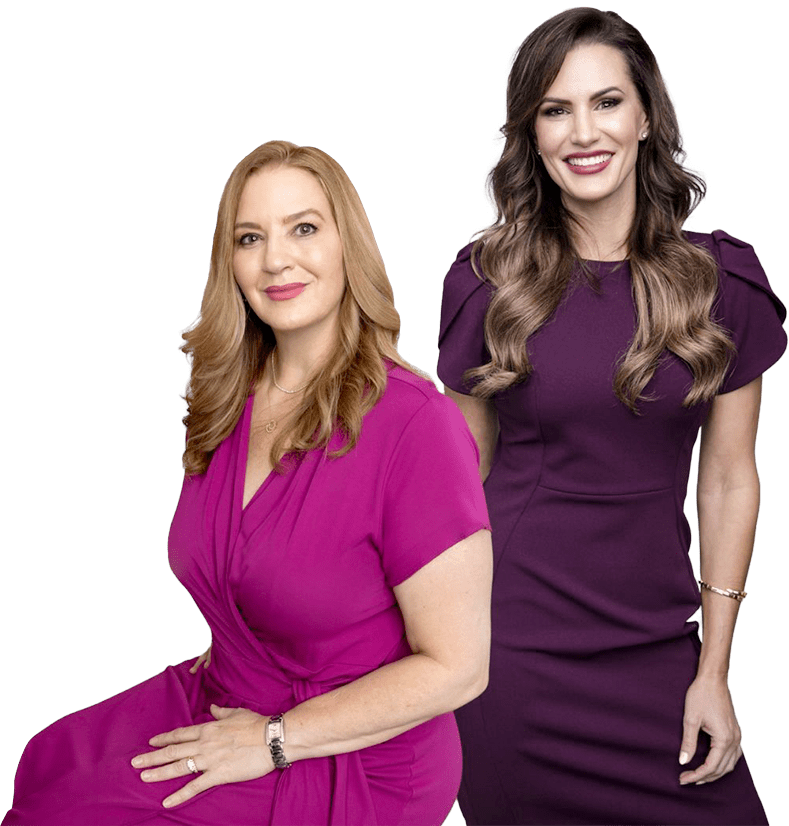
The Monarch Plastic Surgery & Skin Renewal Center team proudly serves Sandy Springs, Buckhead, and the greater Atlanta community. Led by board-certified surgeons Dr. Carmen Kavali and Dr. Teri Moak, our all-female leadership team is dedicated to providing safe, compassionate, and innovative aesthetic care. We specialize in personalized surgical and non-surgical treatments that help patients look and feel their very best.