
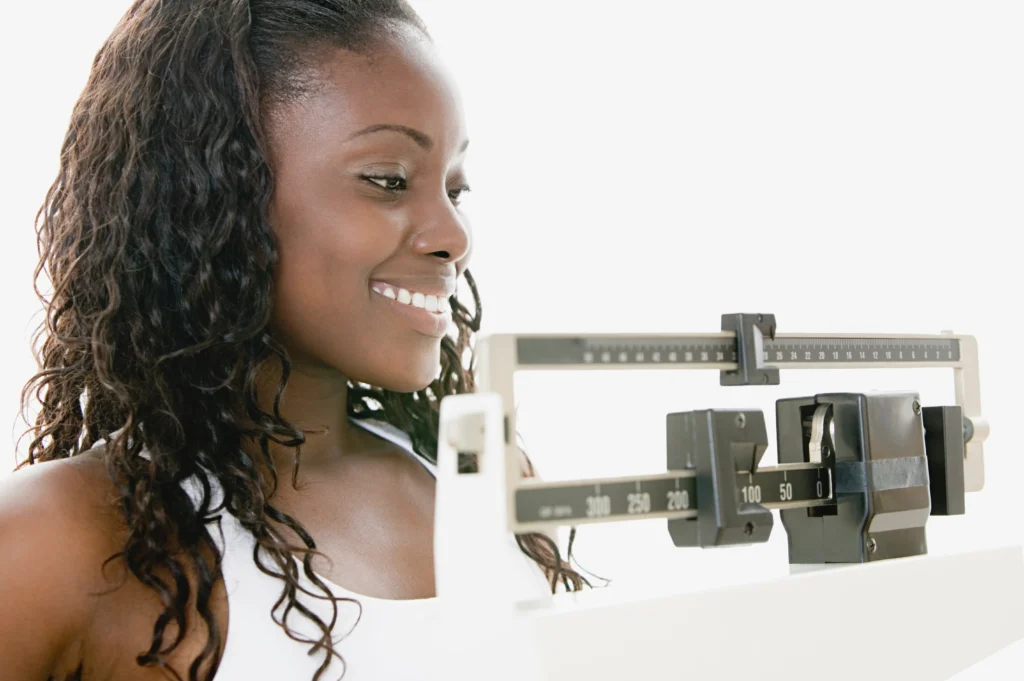
Breast Implants After Weight Loss: What Changes and What Doesn’t
Weight loss is often a positive, intentional step toward better health, mobility, and confidence. However, for patients who already have breast implants, changes in body composition can raise unexpected questions about breast shape, position, and overall appearance. At Monarch Plastic Surgery & Skin Renewal Center, patients from Sandy Springs, Buckhead, and Atlanta frequently ask whether weight loss can “undo” the results of a prior breast augmentation or signal a problem with their implants.
The short answer is that breast implants themselves do not change with weight loss, but the tissues surrounding them often do. Understanding how and why these changes occur helps patients separate normal anatomical shifts from issues that may warrant medical evaluation or surgical discussion.
How Weight Loss Affects Natural Breast Tissue
The breast is made up of a combination of glandular tissue, fat, skin, and supportive structures. While implants provide volume and shape, a portion of the breast’s appearance still depends on the patient’s own tissue. When weight is lost, particularly a significant amount, fat within the breast can decrease.
This reduction in natural breast volume may lead to a less full appearance above the implant or subtle changes in contour. These changes are not a complication of surgery but rather a normal physiological response to fat loss throughout the body.
What Breast Implants Do Not Change
Breast implants are fixed-volume medical devices. Whether silicone or saline, an implant does not shrink, deflate, or change size as a result of weight loss. The implant remains exactly as it was placed at the time of surgery.
What can change is how noticeable the implant becomes. As surrounding tissue thins, some patients may feel or see implant edges more clearly, especially those with lower body fat or minimal natural breast tissue to begin with.
Skin Elasticity and Breast Position After Weight Loss
Skin quality plays a significant role in post-weight-loss breast appearance. Patients with good skin elasticity may experience minimal visible change, while others may notice increased laxity or a downward shift in breast position.
Weight loss does not cause implants to migrate on their own, but reduced skin support can create the appearance of sagging. In these cases, the issue is typically related to the skin envelope rather than implant placement.
Timing Matters When It Comes to Weight Changes
From a surgical planning perspective, weight stability is important. Patients who undergo breast augmentation at a stable, maintainable weight are more likely to enjoy consistent long-term results. Significant weight loss after surgery can alter outcomes even when the original procedure was technically successful.
That said, weight loss after implants does not automatically mean revision surgery is needed. Many patients remain satisfied with their appearance and require no intervention.
When a Breast Lift or Revision May Be Considered
If weight loss leads to noticeable sagging, nipple descent, or dissatisfaction with breast shape, a breast lift may be discussed. A lift focuses on skin tightening and repositioning rather than implant size. Some patients benefit from a lift alone, while others may consider implant exchange depending on their goals.
In certain situations, breast implant revision or implant removal may be appropriate. These decisions are highly individualized and based on anatomy, comfort, and long-term expectations rather than trends.
Fat Transfer Considerations After Weight Loss
Some patients explore fat transfer to the breast to restore softness or contour after weight loss. This approach relies on stable fat stores and healthy recipient tissue.
Patients with ongoing weight fluctuations or very low body fat may not be ideal candidates, as fat survival can be affected by further weight changes.
The Value of a Personalized Evaluation
Dr. Carmen Kavali and Dr. Teri N. Moak approach post-weight-loss breast concerns with a focus on anatomy, skin quality, and patient priorities rather than assumptions. Not every change requires surgery, and in many cases, reassurance and monitoring are appropriate.
A consultation provides clarity about whether observed changes are within the expected range or whether a surgical discussion could be beneficial.
Common Questions Patients Ask
Is it normal for my breasts to look smaller after weight loss even with implants?
Yes. While the implant does not change size, loss of natural breast fat can reduce overall fullness. This is a common and expected outcome after weight loss.
The degree of change varies based on how much weight was lost and how much natural breast tissue was present before surgery.
Can weight loss cause my implants to sag?
Weight loss does not cause implants to physically drop, but reduced skin support can alter breast position. This can create the appearance of sagging.
In these cases, the issue is usually related to skin elasticity rather than implant failure.
Should implants be replaced after significant weight loss?
Replacement is not automatically necessary. Many patients remain satisfied with their results and do not need revision surgery.
Revision is considered only if aesthetic concerns, discomfort, or functional issues are present.
Does rapid weight loss make changes more noticeable?
Rapid weight loss may make changes more apparent because the skin has less time to adapt. Individual skin quality still plays a major role.
Allowing time for weight stabilization helps determine whether changes are temporary or persistent.
Who is a good candidate for revision after weight loss?
Patients with stable weight, realistic expectations, and specific concerns such as excess skin or asymmetry may be candidates for revision.
A thorough consultation is essential to determine whether surgery would meaningfully improve results.
Moving Forward After Weight Loss
Weight loss is a major personal achievement, and changes in breast appearance do not diminish that success. Understanding what is normal, what is changeable, and what is best left alone helps patients avoid unnecessary procedures.
For those seeking guidance, a personalized evaluation at Monarch Plastic Surgery & Skin Renewal Center offers education and options grounded in medical judgment rather than trends.


The Monarch Plastic Surgery & Skin Renewal Center team proudly serves Sandy Springs, Buckhead, and the greater Atlanta community. Led by board-certified surgeons Dr. Carmen Kavali and Dr. Teri Moak, our all-female leadership team is dedicated to providing safe, compassionate, and innovative aesthetic care. We specialize in personalized surgical and non-surgical treatments that help patients look and feel their very best.