
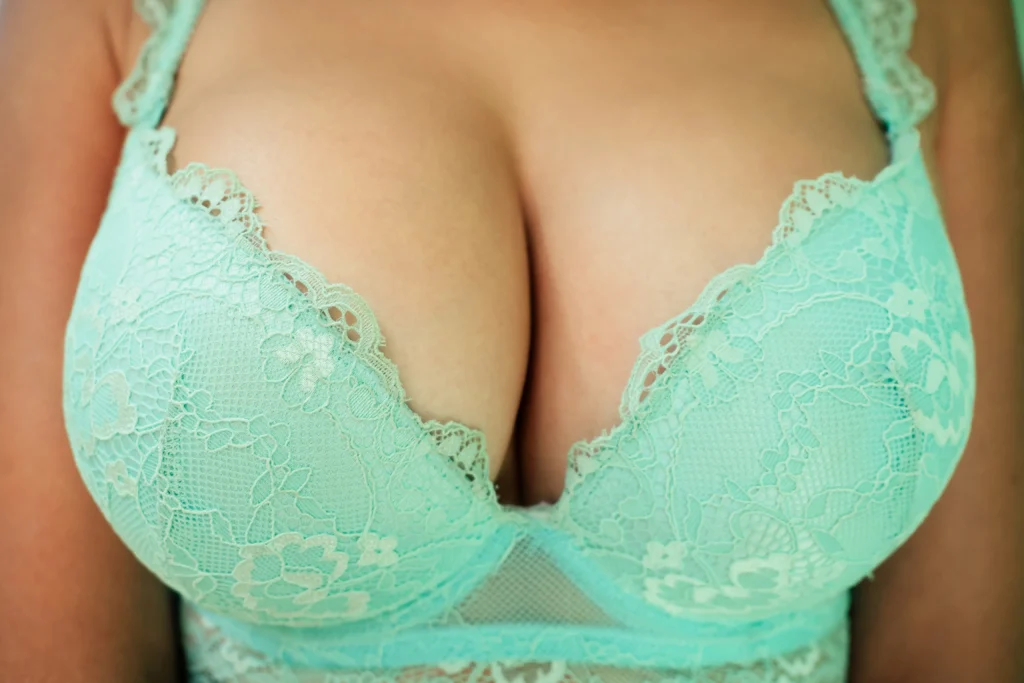
Scarless Breast Lift and Augmentation: What’s Real, What’s Marketing, and What to Ask in a Consultation
The phrase “scarless breast lift” gets attention for a reason. Most patients considering breast enhancement want a higher, more youthful breast shape without visible reminders of surgery. It’s a reasonable goal, but it also deserves a clear, medically accurate explanation. In plastic surgery, words like “scarless” can be used loosely online, and the reality depends on what a patient needs anatomically, what technique is appropriate, and what tradeoffs are involved.
At Monarch Plastic Surgery & Skin Renewal Center serving Sandy Springs, Buckhead, and Atlanta, patients often ask whether a scarless lift is possible, whether it can be paired with implants, and how to choose an approach that looks natural and holds up over time. Board-certified plastic surgeons like Dr. Carmen Kavali, MD and Dr. Teri N. Moak, MD focus on safety and individualized planning, which includes being honest about what can and cannot be accomplished for a specific breast shape.
What “Scarless Breast Lift” Usually Means
In strict surgical terms, a true breast lift involves reshaping the breast and repositioning the nipple-areola complex to a higher position. That repositioning typically requires incisions. Any time an incision is made, a scar forms. The goal is not “no scar,” but rather “well-placed, well-healed scars that are difficult to notice.”
So why does the term exist? In many cases, “scarless breast lift” is used to describe a limited lift effect achieved without traditional lift incisions. This might refer to mild tightening, subtle elevation, or improving upper pole fullness without changing nipple position significantly. That distinction matters, because patients who need a true lift for nipple elevation or significant laxity will not get the result they want from techniques marketed as scarless.
Who Might Be a Candidate for a Minimal-Scar Approach
Some patients have mild breast descent, good skin quality, and a nipple position that is still relatively centered on the breast mound. For these patients, a surgeon may be able to improve the appearance with less extensive incisions, depending on their anatomy and goals.
When a lift can be limited, it is usually because the correction needed is modest. The breast has not “fallen” far, the skin has not stretched extensively, and there is enough tissue support to hold a refined shape. In those cases, patients may hear terms such as “minimal-scar lift” or “limited-incision lift,” which can be reasonable options when indicated.
When a Traditional Lift Is the More Honest Answer
If the nipple sits low on the breast, points downward, or rests below the breast fold, the most reliable way to reposition it is with a formal mastopexy. Similarly, if there is significant loose skin or the breast envelope has stretched after pregnancy, weight changes, or aging, a meaningful lift generally requires incisions that allow the surgeon to remove excess skin and reshape the breast.
Choosing an approach that is “too small” for the problem can create frustration and often leads to revision surgery. This is one reason board certification and surgical judgment matter. Organizations such as the American Board of Plastic Surgery and the American Board of Medical Specialties help patients verify credentials when they are evaluating care options and consultation advice.
External references for credential verification can be found at https://www.abplasticsurgery.org/ and https://www.abms.org/.
Can You Combine a Breast Lift With Breast Augmentation?
Yes, and it is very common. A lift improves position and shape, while implants add volume and upper pole fullness. The combined approach can be useful when a patient wants both a higher breast position and more fullness than their natural tissue can provide.
However, combining a lift and augmentation is not a one-size-fits-all decision. The skin must be able to support the implant, the nipple position must be corrected safely, and the final shape should look balanced with the patient’s frame. In some cases, surgeons may recommend staging procedures if the tissue needs time to recover or if the risk of wound healing complications would be higher with a combined approach.
If you’re researching options, you may find it helpful to read about breast augmentation here: https://monarchplasticsurgeryga.com/plastic-surgery-procedures-sandy-springs/breast/breast-augmentation/.
What Makes Scars Look Better Over Time
Most patients worry about scars because they’ve seen harsh examples online. The reality is that scar quality varies widely, and it depends on multiple factors. Surgical technique, incision placement, tension management, and how the tissue heals all matter. So does patient biology, including genetics and skin tone.
In addition, aftercare plays a big role. Scar maturation can take many months. Protecting incisions from sun exposure, following wound care instructions, and attending follow-up visits can make a noticeable difference. The goal is for scars to soften, flatten, and fade, and for the overall breast shape to look natural and proportional.
The Tradeoff Patients Should Understand
Many marketing phrases are built around avoiding something: a scar, downtime, or a more involved recovery. In reality, the better question is usually what outcome you want and what it takes to achieve it safely. A limited approach may reduce visible scarring, but it may also limit the amount of lift and longevity you can realistically expect.
A traditional lift may involve more scarring, but it offers greater control over nipple position, symmetry, and reshaping. When patients prioritize durable results and natural shape, they often find that well-placed scars are an acceptable tradeoff compared to a result that doesn’t meet their goals.
How Surgeons Decide What Technique Fits Your Anatomy
A breast lift is not a single technique. It is a set of approaches that can be tailored to how much skin needs to be removed, how much the nipple must be elevated, and how the breast tissue should be reshaped. Surgeons also consider the width of the breast base, chest wall shape, and how the breast sits in a bra.
At Monarch Plastic Surgery & Skin Renewal Center, consultation planning is centered on patient priorities and safety. That includes understanding whether you want more volume, a perkier position, improved cleavage, or better symmetry, and then selecting the approach that best matches your anatomy rather than a trend phrase.
What to Look for in Before and After Photos
Photos are useful when they are interpreted carefully. Look for patients with similar starting anatomy: similar nipple position, skin quality, and breast shape. Pay attention to upper pole fullness, cleavage, side profile shape, and whether the results look natural rather than overly tight or artificial.
For visual references, you can explore breast augmentation results here: https://monarchplasticsurgeryga.com/before-after-photo-gallery/breast-augmentation/.
What Patients Want to Know Before Moving Forward
Is a “scarless breast lift” actually possible?
A true breast lift that significantly repositions the nipple and removes excess skin requires incisions and therefore results in scars. The more meaningful question is whether your anatomy needs a true lift or whether a modest improvement can be achieved with a more limited approach.
During consultation, a surgeon can explain what degree of lift is realistic without traditional incisions, and whether that would satisfy your goals.
If I’m getting implants, do I still need a lift?
Sometimes implants alone can improve the appearance of mild sagging by adding volume that fills the breast envelope. However, implants do not reliably reposition a low nipple or correct significant loose skin. If the nipple position is low or the skin envelope is stretched, a lift may still be needed to achieve a balanced outcome.
A personalized exam helps determine whether implants alone would create a natural shape or whether a lift is required for long-term proportion and symmetry.
Will a lift and augmentation look natural?
Natural appearance depends on thoughtful implant selection, tissue support, and proportional shaping. A board-certified plastic surgeon plans volume and position in a way that fits the patient’s body, rather than forcing a standardized look.
In many cases, the most natural outcomes come from prioritizing balance and respecting the limitations of the skin and tissue.
How long do results last?
Breast tissue continues to change over time due to aging, gravity, weight changes, and pregnancy. A lift and augmentation can provide long-lasting improvement, but no procedure stops natural tissue changes indefinitely.
Longevity is influenced by factors such as implant size, skin quality, and lifestyle. A conservative plan that respects tissue support can help maintain results longer.
What is recovery like after a lift and augmentation?
Recovery varies depending on the extent of the lift, the implant placement, and your individual healing pattern. Many patients experience swelling and tightness initially, with gradual softening over weeks and months.
Your surgeon will provide specific guidance on activity restrictions and follow-up visits. Planning downtime realistically is part of a safe and predictable recovery.
Who is not a good candidate for a minimal-scar approach?
Patients with significant breast descent, a low or downward-pointing nipple, or extensive skin laxity generally need a formal lift to achieve meaningful improvement. In these cases, a minimal approach may produce an under-corrected result.
Patients who smoke or have uncontrolled medical conditions may also need medical optimization before surgery to reduce healing risks.
Moving Forward With a Clear Plan
If you’re considering a scarless breast lift and augmentation, the best next step is a consultation that focuses on your anatomy, your goals, and what is realistically achievable. A patient-centered plan should prioritize safety, proportion, and long-term satisfaction rather than marketing language.
For patients in Sandy Springs, Buckhead, and Atlanta, Monarch Plastic Surgery & Skin Renewal Center offers individualized evaluation and surgical planning designed to support natural-looking outcomes and responsible decision-making.


The Monarch Plastic Surgery & Skin Renewal Center team proudly serves Sandy Springs, Buckhead, and the greater Atlanta community. Led by board-certified surgeons Dr. Carmen Kavali and Dr. Teri Moak, our all-female leadership team is dedicated to providing safe, compassionate, and innovative aesthetic care. We specialize in personalized surgical and non-surgical treatments that help patients look and feel their very best.