

Non-Surgical Body Contouring vs. Liposuction: How to Choose the Right Approach
Stubborn areas of fat are one of the most common frustrations patients share during consultations. Even with consistent exercise and healthy habits, certain pockets of fullness can remain unchanged. For patients in Sandy Springs, Buckhead, and the greater Atlanta area, the question often becomes whether non-surgical body contouring is enough—or whether surgical liposuction is the more appropriate solution.
While both approaches aim to improve body contour, they work in fundamentally different ways. Choosing the right option depends on anatomy, goals, lifestyle, and expectations rather than preference alone. At Monarch Plastic Surgery & Skin Renewal Center, board-certified plastic surgeons Dr. Carmen Kavali and Dr. Teri N. Moak guide patients through this decision with a focus on safety, predictability, and natural-looking outcomes.
Understanding What Body Contouring Can and Cannot Do
The term “body contouring” is often used broadly, but not all treatments address the same concerns. Some approaches target fat volume, others influence skin quality, and some focus on subtle shaping rather than measurable reduction. Understanding what is driving the concern—fat, skin, or structure—helps determine which category of treatment is most appropriate.
For patients with localized fat that does not respond to weight loss, both non-surgical options and surgical liposuction may be considered. The difference lies in how much change is needed and how reliably it can be achieved.
How Non-Surgical Body Contouring Works
Non-surgical body contouring treatments are designed to reduce small amounts of fat or improve contour without incisions or anesthesia. Technologies such as CoolSculpting, Avéli, and VelaShape work through different mechanisms, including controlled cooling, targeted release of fibrous bands, or radiofrequency-based tissue stimulation.
These treatments are generally best suited for patients who are close to their goal weight and seeking modest contour refinement rather than dramatic reshaping. Results tend to develop gradually over weeks or months and may require multiple sessions depending on the treatment and area.
Non-surgical contouring can be appealing for patients who are not ready for surgery or who prefer minimal downtime. However, it is important to understand that these treatments do not remove large volumes of fat and do not address loose skin.
What Liposuction Does Differently
Liposuction is a surgical procedure that physically removes fat cells from targeted areas, allowing for more precise and noticeable contour changes. At Monarch, liposuction is commonly performed on the abdomen, flanks, thighs, arms, and other areas where fat distribution affects overall proportions.
Unlike non-surgical treatments, liposuction provides immediate reduction in fat volume, with results becoming more refined as swelling resolves. Because fat cells are removed rather than damaged or reduced over time, liposuction offers a higher degree of predictability for patients seeking visible change.
Patients considering liposuction can explore procedural details at Liposuction and review realistic outcomes in the Liposuction Before & After Gallery.
When Skin Quality Changes the Plan
One of the most important distinctions between non-surgical contouring and liposuction is how skin responds after fat reduction. Patients with good skin elasticity often see smooth contour improvement after liposuction. When skin laxity is present, removing fat alone may not create the desired result.
In cases where loose or stretched skin is a primary concern—often after pregnancy or significant weight loss—procedures such as abdominoplasty or a mommy makeover may be more appropriate. These procedures address skin and underlying structure rather than fat alone.
Recovery and Downtime Considerations
Recovery is often a deciding factor for patients balancing work, family, and daily responsibilities. Non-surgical treatments typically involve little to no downtime, with most patients returning to normal activities the same day.
Liposuction involves a recovery period that includes swelling, soreness, and the use of compression garments. While many patients return to light activity within a few days, full recovery and final contour refinement take longer. The tradeoff is a more substantial and reliable change.
Longevity and Maintenance of Results
Both non-surgical contouring and liposuction can produce long-lasting results when weight remains stable. However, neither approach replaces healthy habits. Weight gain can affect untreated fat cells and alter contour over time.
For patients still working toward weight stability, supportive options such as medical weight loss may help establish a foundation for more predictable results before committing to body contouring.
Local Perspective on Care in Atlanta
Choosing a provider is as important as choosing a procedure. Patients in Sandy Springs, Buckhead, and Atlanta benefit from access to board-certified plastic surgeons, accredited surgical facilities, and comprehensive follow-up care.
Monarch Plastic Surgery & Skin Renewal Center works closely with trusted institutions such as Northside Hospital and Perimeter Surgery Center, reflecting a commitment to safety and continuity of care within the Atlanta medical community.
Questions We Hear Most Often
How do I know if non-surgical contouring will be enough?
Non-surgical contouring works best for small, localized areas of fat when skin tone is good. If you are looking for subtle refinement rather than a visible change in body shape, it may be appropriate.
During consultation, your surgeon evaluates fat thickness, skin elasticity, and overall proportions to determine whether non-surgical options can realistically meet your goals.
Is liposuction significantly more effective?
Liposuction removes fat cells directly, which allows for greater and more predictable contour change. For patients seeking noticeable improvement, it is often the more effective option.
The decision depends on how much change is desired and whether surgery aligns with your timeline and comfort level.
Is one option safer than the other?
Safety depends on patient selection, medical history, and proper planning. Both approaches are widely performed when appropriately chosen.
Board certification through the American Board of Plastic Surgery and adherence to standards recognized by the American Board of Medical Specialties are important indicators of training and safety oversight.
What does recovery usually feel like?
Non-surgical treatments may cause temporary tenderness or swelling but rarely interfere with daily life. Liposuction recovery involves more noticeable soreness and swelling, especially in the first week.
Your surgeon provides individualized guidance so recovery expectations align with your specific procedure and lifestyle.
Will my results look natural?
Natural-looking outcomes depend on proportion, restraint, and matching the treatment to the anatomy. The goal is improvement that looks balanced, not artificial.
Reviewing before-and-after galleries helps establish realistic expectations based on similar starting points.
Who may not be a good candidate right now?
Patients actively losing weight, planning pregnancy, or using nicotine products may be advised to wait. Certain medical conditions can also influence candidacy.
These recommendations are about protecting healing and long-term satisfaction rather than excluding patients permanently.
A Thoughtful Next Step
If you are weighing non-surgical body contouring against liposuction, you are already taking an important step by seeking accurate information. The most effective plan is one that reflects your anatomy, health, and goals rather than trends or assumptions.
Dr. Carmen Kavali and Dr. Teri N. Moak provide consultations focused on education and individualized planning, helping patients throughout Sandy Springs, Buckhead, and Atlanta move forward with clarity and confidence.
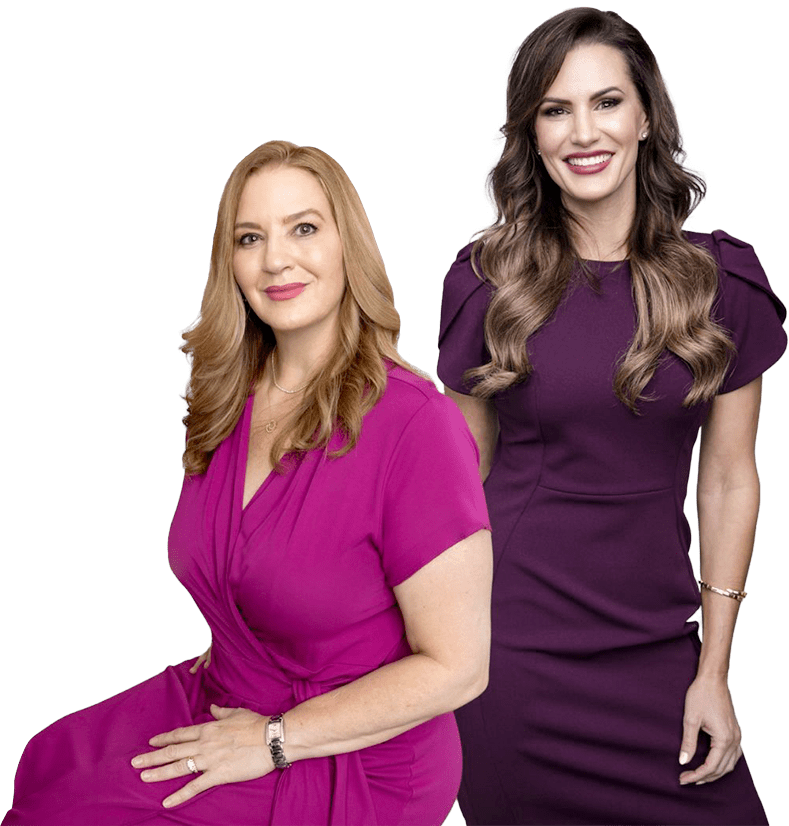
The Monarch Plastic Surgery & Skin Renewal Center team proudly serves Sandy Springs, Buckhead, and the greater Atlanta community. Led by board-certified surgeons Dr. Carmen Kavali and Dr. Teri Moak, our all-female leadership team is dedicated to providing safe, compassionate, and innovative aesthetic care. We specialize in personalized surgical and non-surgical treatments that help patients look and feel their very best.