


Loose Skin After Weight Loss: Why It Happens and What Can Be Done
Significant weight loss is often a major health milestone, but for many patients it comes with an unexpected concern: loose or sagging skin. This issue is increasingly common as more people achieve weight loss through lifestyle changes, bariatric surgery, or medications such as GLP-1 therapies. While weight loss improves overall health, the skin does not always rebound the way patients hope.
At Monarch Plastic Surgery & Skin Renewal Center, patients from Sandy Springs, Buckhead, and Atlanta frequently ask why loose skin occurs, whether it will tighten on its own, and what options exist to address it safely. Understanding how skin responds to weight changes is the first step toward setting realistic expectations and choosing the right solution.
Why Loose Skin Happens After Weight Loss
Skin is designed to stretch and retract, but it has limits. When weight gain occurs gradually, the skin expands over time to accommodate increased volume. If that volume is lost quickly or in large amounts, the skin may not have enough elasticity left to fully contract.
Several factors influence how well skin rebounds, including age, genetics, sun exposure, smoking history, and the duration of time the skin remained stretched. Patients who have carried excess weight for many years are more likely to experience loose skin than those who lose a smaller amount over a shorter period.
Common Areas Affected by Loose Skin
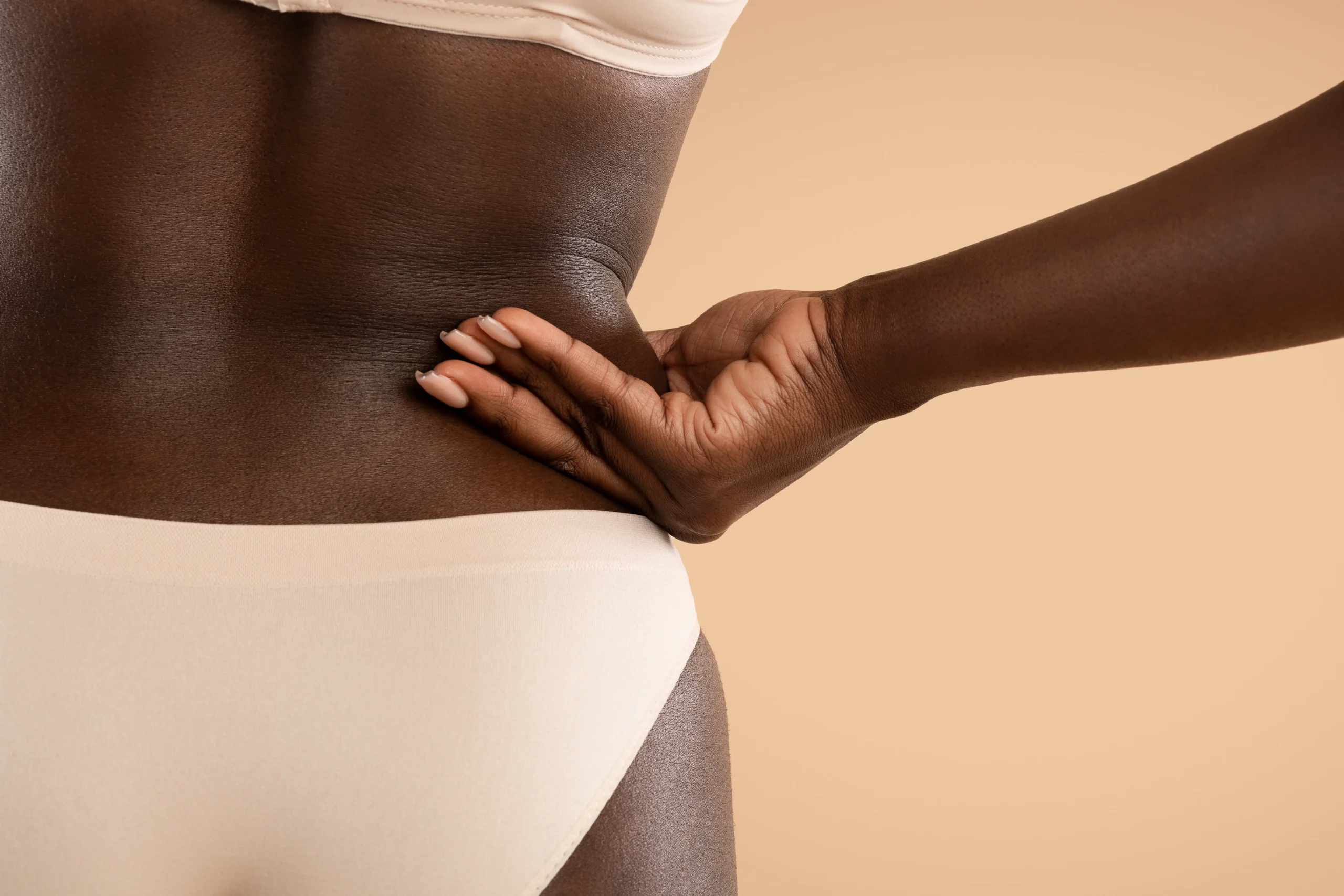
Loose skin can appear almost anywhere on the body, but certain areas are more prone due to gravity and thinner tissue support. The abdomen is one of the most common problem areas, particularly after pregnancy or major weight loss. The arms, thighs, breasts, and lower back are also frequently affected.
Some patients notice changes in the face and neck as well. Weight loss in these areas can lead to a hollowed appearance or increased laxity, which is why facial changes after weight loss have become a common topic of discussion.
Will Loose Skin Tighten on Its Own?
In some cases, mild skin laxity may improve over time, especially in younger patients with good skin quality. Hydration, nutrition, and gradual weight loss can support overall skin health, but they cannot fully reverse structural stretching.
When skin laxity is moderate to severe, it is unlikely to tighten significantly without medical intervention. This is an important point, as many patients delay evaluation hoping the skin will improve, only to find that the changes persist.
Non-Surgical Options for Mild Skin Laxity
For patients with early or mild loose skin, non-surgical treatments may offer modest improvement. These approaches focus on stimulating collagen production or improving skin quality rather than removing excess skin.
Energy-based skin tightening treatments and injectable options may help select patients, but results are typically subtle and gradual. These treatments are best suited for patients who understand their limitations and are looking for improvement rather than complete correction.
When Surgery Becomes the Most Effective Option
Surgical procedures are often the most reliable way to address significant loose skin. Body contouring surgeries remove excess skin and reshape underlying tissue to restore a more proportionate silhouette. The specific procedure depends on where the loose skin is located and how extensive it is.
Common surgical options include tummy tuck for abdominal laxity, arm lift for excess skin along the upper arms, thigh lift for loose skin in the legs, and body lift procedures for patients who have experienced massive weight loss.
Patients exploring abdominal concerns may find it helpful to review information about abdominoplasty here: https://monarchplasticsurgeryga.com/plastic-surgery-procedures-sandy-springs/body/abdominoplasty/.
The Role of Timing After Weight Loss
Timing is an important consideration when planning surgery for loose skin. Most surgeons recommend waiting until weight has stabilized for several months. This allows tissues to settle and reduces the risk of needing additional procedures later.
For patients still actively losing weight, a consultation can still be valuable. Early discussions help patients understand what changes are likely permanent and what options may be available once weight stabilizes.
Scars, Recovery, and Realistic Tradeoffs
One of the most common concerns about surgery for loose skin is scarring. While incisions are required to remove excess skin, surgeons place them strategically to be as discreet as possible. The goal is always to balance scar placement with improved contour and comfort.
Recovery varies depending on the extent of surgery. Patients should plan for downtime, activity restrictions, and a gradual return to normal routines. Honest conversations about recovery help patients prepare both physically and mentally.
Why Board Certification and Experience Matter
Body contouring after weight loss requires careful surgical judgment. Removing too much skin or failing to respect tissue tension can increase complication risks. Board-certified plastic surgeons are trained to balance aesthetic improvement with patient safety.
Organizations such as the American Board of Plastic Surgery and the American Board of Medical Specialties provide credential verification resources for patients researching surgical care.
Common Questions Patients Ask
Is loose skin after weight loss inevitable?
Not everyone who loses weight develops loose skin. The likelihood depends on factors such as age, genetics, how much weight was lost, and how long the skin was stretched.
Patients who lose large amounts of weight or lose weight rapidly are more likely to notice skin laxity.
Can exercise tighten loose skin?
Exercise improves muscle tone and overall health, but it does not significantly tighten excess skin. Building muscle can improve contour under the skin, which may make laxity less noticeable in some cases.
However, exercise alone cannot remove excess skin.
Are non-surgical treatments effective for loose skin?
Non-surgical treatments may help with mild laxity but are limited in how much improvement they can provide. They do not remove excess skin.
Patients with more advanced laxity often require surgical correction for meaningful results.
When is the right time to consider surgery?
Most surgeons recommend waiting until weight has stabilized for several months. This ensures that results are more predictable and long-lasting.
A consultation can help determine readiness even before weight loss is fully complete.
Will scars fade over time?
Scars typically improve over time, becoming flatter and less noticeable. Genetics, incision care, and sun protection all influence how scars mature.
Your surgeon will discuss scar management strategies during recovery.
Who is not a good candidate for surgery?
Patients with uncontrolled medical conditions or those who smoke may face higher surgical risks. These factors should be addressed before considering surgery.
A thorough medical evaluation helps determine candidacy and optimize safety.
Moving Forward After Weight Loss
Loose skin after weight loss is a common and understandable concern. While it can be frustrating, there are effective options available depending on the severity and location of the issue.
For patients in Sandy Springs, Buckhead, and Atlanta, Monarch Plastic Surgery & Skin Renewal Center provides individualized evaluation and education to help patients navigate their next steps with clarity and confidence.

The Monarch Plastic Surgery & Skin Renewal Center team proudly serves Sandy Springs, Buckhead, and the greater Atlanta community. Led by board-certified surgeons Dr. Carmen Kavali and Dr. Teri Moak, our all-female leadership team is dedicated to providing safe, compassionate, and innovative aesthetic care. We specialize in personalized surgical and non-surgical treatments that help patients look and feel their very best.