

Non-Surgical Skin Tightening vs. Surgery: How to Choose the Right Approach
Skin laxity is one of the most common concerns patients raise when exploring aesthetic treatment options. Whether the issue appears on the face, neck, or body, many people in Sandy Springs, Buckhead, and throughout Atlanta find themselves weighing non-surgical skin tightening against surgical correction. The decision is rarely straightforward and depends on anatomy, expectations, and tolerance for recovery.
At Monarch Plastic Surgery & Skin Renewal Center, board-certified plastic surgeons Dr. Carmen Kavali and Dr. Teri N. Moak guide patients through these decisions by focusing on education and individualized planning. Understanding how non-surgical and surgical options differ can help patients move forward with clarity rather than uncertainty.
Why Skin Laxity Develops Over Time
Skin laxity develops gradually as collagen and elastin production decline with age. Weight fluctuations, pregnancy, sun exposure, and genetics can accelerate this process, leading to looseness that varies significantly from one patient to another.
While topical products may support skin health, they cannot meaningfully tighten lax tissue. Medical treatments, both surgical and non-surgical, work by either stimulating collagen or physically repositioning skin and underlying structures.
What Non-Surgical Skin Tightening Can Address
Non-surgical skin tightening treatments are designed for patients with mild to moderate laxity who are not ready for surgery or do not yet need it. These technologies rely on controlled energy to stimulate collagen remodeling beneath the skin.
Options such as Ultherapy and Refirme are commonly used to improve firmness in targeted areas. Results develop gradually over several months and are typically subtle rather than dramatic.
Because these treatments do not involve incisions, downtime is minimal. Patients often return to normal activities quickly, making non-surgical tightening appealing to those with busy schedules or early signs of laxity.
Limitations of Non-Surgical Options
While non-surgical treatments can improve skin quality and mild laxity, they cannot replicate the results of surgery. Excess skin, significant muscle separation, or advanced sagging generally cannot be corrected without surgical intervention.
Patients seeking noticeable repositioning or removal of loose skin may be disappointed if non-surgical options are used beyond their appropriate scope. This is why candid assessment during consultation is critical.
When Surgical Skin Tightening Is More Appropriate
Surgical procedures address moderate to significant skin laxity by removing excess tissue and, when necessary, tightening underlying structures. This approach produces more visible and longer-lasting changes.
Depending on the area of concern, procedures such as a neck lift, abdominoplasty, or brachioplasty may be recommended. These surgeries are designed for patients whose skin has lost the ability to retract on its own.
Before-and-after galleries, such as the Abdominoplasty Before & After Gallery, help patients visualize outcomes that non-surgical treatments cannot achieve.
Recovery Differences Between Surgical and Non-Surgical Treatments
Recovery is one of the most significant differences between these approaches. Non-surgical treatments typically involve mild swelling or tenderness but little interruption to daily life.
Surgical recovery varies depending on the procedure and the individual. While downtime is longer, it is often a one-time recovery rather than repeated sessions over time. Surgeons provide detailed postoperative guidance to support healing and safety.
Longevity of Results
Non-surgical skin tightening results are temporary and develop gradually. Maintenance treatments may be recommended as part of a long-term plan.
Surgical results tend to be longer lasting, particularly when weight remains stable and patients maintain healthy habits. Surgery does not stop the aging process, but it can reset the baseline in a way non-surgical treatments cannot.
How Surgeons Help Patients Choose
Choosing between non-surgical and surgical options is not about preference for technology but about anatomical reality. Board certification through the American Board of Plastic Surgery reflects training in assessing these distinctions responsibly.
At Monarch, consultations emphasize honesty about what each option can and cannot achieve. In some cases, non-surgical treatments are recommended as a first step. In others, surgery offers a more predictable path to the desired outcome.
Questions We Hear Most Often
Can non-surgical skin tightening replace surgery?
Non-surgical treatments cannot replace surgery when significant excess skin is present. They are best suited for early laxity or maintenance.
Surgery is recommended when structural correction is needed to achieve meaningful improvement.
Is non-surgical skin tightening safer than surgery?
Both approaches are safe when appropriately selected and performed. Safety depends on patient health, treatment planning, and provider expertise.
Non-surgical options carry different risks than surgery, but neither should be viewed as risk-free.
How long do non-surgical results last?
Results vary by treatment type, skin quality, and aging factors. Improvements are typically gradual and temporary.
Maintenance treatments may be suggested to preserve results over time.
Will surgical results look natural?
Natural results depend on technique, proportion, and individualized planning. The goal is refinement rather than an artificial appearance.
Reviewing before-and-after images helps align expectations with achievable outcomes.
Who should avoid surgery for now?
Patients who are actively losing weight, planning pregnancy, or managing certain medical conditions may be advised to delay surgery.
These recommendations are made to protect safety and long-term results.
Can treatments be combined over time?
Yes. Many patients begin with non-surgical treatments and later transition to surgery as aging progresses.
A long-term plan allows treatments to evolve with changing needs.
Making an Informed Decision
Non-surgical skin tightening and surgical correction serve different roles in aesthetic care. Understanding these differences empowers patients to choose an option aligned with their goals rather than marketing claims.
At Monarch Plastic Surgery & Skin Renewal Center, patients in Sandy Springs, Buckhead, and Atlanta receive guidance rooted in experience, safety, and individualized assessment, supporting confident and informed decisions.
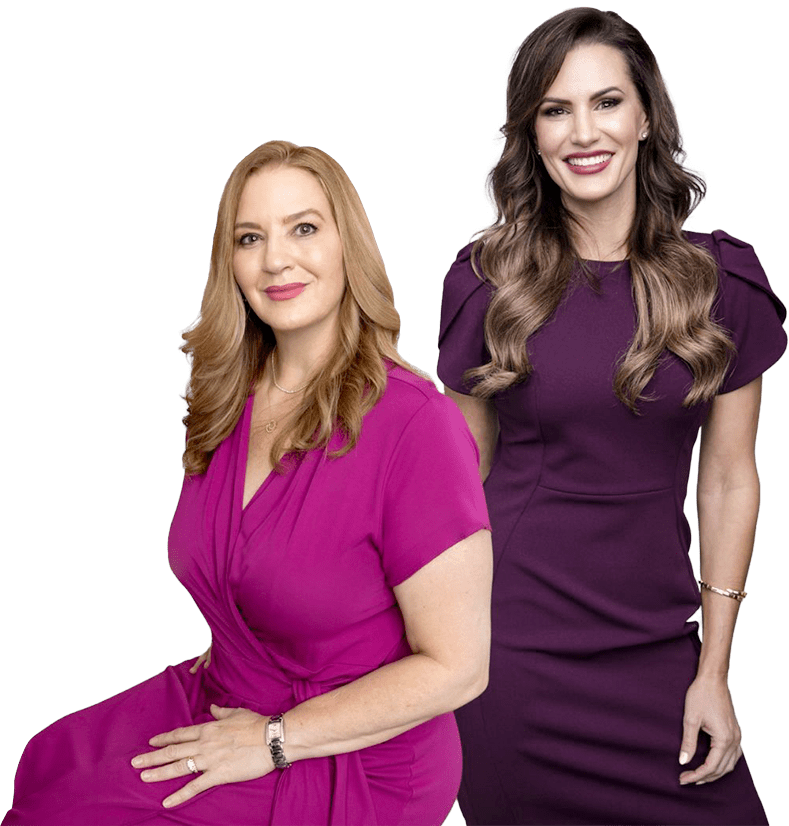
The Monarch Plastic Surgery & Skin Renewal Center team proudly serves Sandy Springs, Buckhead, and the greater Atlanta community. Led by board-certified surgeons Dr. Carmen Kavali and Dr. Teri Moak, our all-female leadership team is dedicated to providing safe, compassionate, and innovative aesthetic care. We specialize in personalized surgical and non-surgical treatments that help patients look and feel their very best.