
Main Content

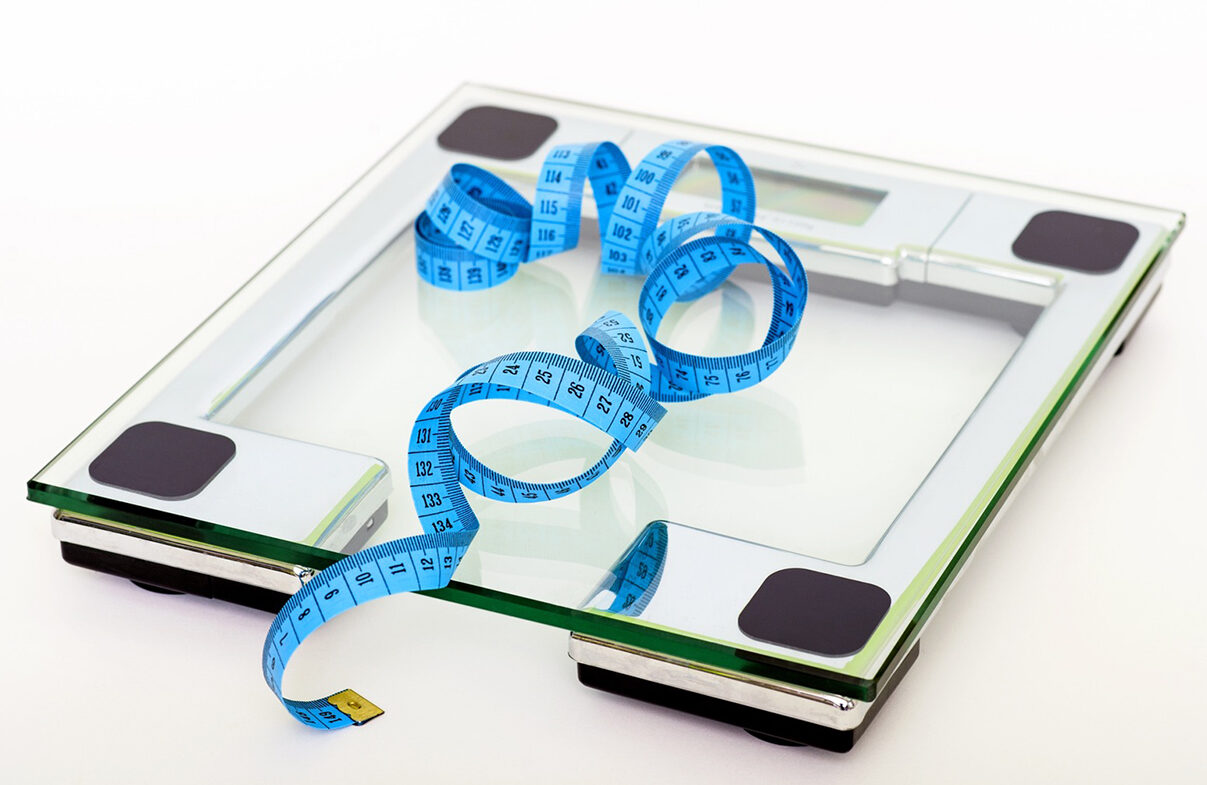
Medical Weight Loss
Medical Weight Loss
Medical Weight Loss
Conveniently located to serve Atlanta, Buckhead, and Sandy Springs, Monarch Plastic Surgery and Skin Renewal Center offers physician-guided medical weight loss programs designed to support safe, sustainable results.
At Monarch, we take a comprehensive approach to weight loss that pairs prescription medications such as semaglutide and tirzepatide (commonly known by brand names including Ozempic® and Wegovy®, and Mounjaro®) with realistic nutrition, activity, and lifestyle guidance—plus ongoing medical monitoring. The goal is not simply short-term changes on a scale, but healthier habits and supportive care that patients can maintain long after the program ends.
Many patients see meaningful changes within the first several months when medication, nutrition, and consistency align. While individual results vary, it is common for appropriate candidates using GLP-1–based therapies alongside lifestyle changes to lose a measurable percentage of their body weight over time. Your physician will review your health history and goals to set realistic expectations for your timeline.
What Is Medical Weight Loss?
Weight management still centers on the fundamentals: nutrition, movement, sleep, and stress. For many people, these steps can be enough. For others—especially those with metabolic resistance, persistent hunger cues, or weight-related health conditions—diet and exercise alone may not produce the results they need. In those cases, medical weight loss can add a clinically supported layer of help.
Medical weight loss at Monarch involves a personalized plan that may include prescription medications, regular monitoring, lab work when indicated, and coaching around sustainable habits. Two widely used medication categories include semaglutide and tirzepatide, injectable therapies that can help regulate appetite, cravings, and metabolic signaling.
Monarch Plastic Surgery and Skin Renewal Center provides tailored programs using semaglutide or tirzepatide based on candidacy, medical history, and your goals. Many patients also explore body contouring options after significant weight loss; depending on your needs, you may also be interested in procedures like liposuction or abdominoplasty (tummy tuck) once weight is stable.
What Are the Benefits of Medical Weight Loss?
Benefits vary from patient to patient, but physician-supervised weight loss commonly supports both appearance and overall health—especially when paired with consistent lifestyle changes.
- Progress toward a healthier weight and improved body composition
- Reduced risk factors associated with obesity-related conditions (such as type 2 diabetes and cardiovascular disease)
- Improved metabolic markers and insulin sensitivity for many patients
- More predictable appetite control and fewer cravings for some individuals
- Structured support and monitoring from a healthcare professional
- Improved energy, confidence, and day-to-day comfort as weight decreases
- Potential improvement in certain weight-related concerns (for example, blood pressure, sleep apnea, and joint strain)
Because medical weight loss does not involve bariatric surgery, it may be a helpful option for patients who want a non-surgical path or who are not ready for surgical intervention.
How Do Weight Loss Medications Work?
GLP-1 medications work by mimicking natural hormones involved in appetite and blood sugar regulation. After you eat, your digestive tract releases hormones (including GLP-1) that help stimulate insulin release and communicate fullness to the brain. By supporting those signals, some patients experience reduced appetite and an easier time maintaining a calorie deficit.
Semaglutide is a GLP-1 receptor agonist. Tirzepatide has GLP-1 activity and also acts on GIP (glucose-dependent insulinotropic polypeptide), another hormone involved in metabolic regulation. These mechanisms may help certain patients feel full sooner, stay satisfied longer, and reduce “food noise” and cravings.
These medications are typically administered as a once-weekly self-injection. Your provider will teach you proper injection technique and guide dosing adjustments over time based on your response and tolerance.
Is Medical Weight Loss Right for Me?
If you have worked consistently on nutrition and exercise and still feel “stuck,” medical weight loss may be worth considering. The best candidates are looking for a non-surgical approach and are willing to pair medication with sustainable habits.
Many programs consider patients with a BMI of 30 or higher, or a lower BMI with weight-related medical concerns such as high blood pressure, high cholesterol, or insulin resistance. Your physician will help determine whether you are a candidate based on your full medical picture.
Candidacy depends on medical history. Some conditions may exclude patients from GLP-1–based therapy or require additional monitoring. This may include (but is not limited to) certain gallbladder issues, pancreatitis history, medullary thyroid cancer, MEN2, diabetic ketoacidosis, or type 1 diabetes. If you are pregnant or breastfeeding, medical weight loss medications are typically postponed.
Most importantly, good candidates can commit to consistency—following the plan, showing up for check-ins, and making lifestyle changes that support long-term maintenance.
What Is Monarch Plastic Surgery’s Wellness Program?
The Monarch Wellness Program is designed for patients who want structured, physician-guided support—not just a prescription. While some people lose weight through lifestyle adjustments alone, others benefit from medical therapy combined with coaching and monitoring.
Our program includes an individualized plan that may use semaglutide or tirzepatide, along with realistic nutrition and activity recommendations aimed at long-term adherence. Throughout the process, you’ll receive ongoing guidance from a healthcare professional, with adjustments based on progress, side effects, and evolving goals.
As weight changes, patients sometimes consider complementary aesthetic treatments once they approach a stable weight. Depending on your needs, that may include body contouring procedures or non-surgical options through our med spa such as BOTOX® or skin-refreshing treatments like DiamondGlow® facials.
To find out whether the Monarch Wellness Program is the right fit for your goals and health history, schedule a consultation. We serve patients from across Atlanta, including Buckhead and Sandy Springs.
Why Choose Monarch for Medical Weight Loss?
Monarch Plastic Surgery and Skin Renewal Center is led by physicians known for individualized care, high standards, and a patient-first approach. Rather than offering one-size-fits-all plans, we focus on appropriate candidacy, realistic expectations, and medical oversight.
Dr. Carmen Kavali is a board-certified plastic surgeon who has contributed to the field through ongoing education, conference participation, and professional involvement. She earned her medical degree from Mercer University, completed general surgery residency training at the University of Illinois, and advanced plastic surgery training at Wayne State University. Her certification aligns with standards established by organizations such as the American Board of Plastic Surgery and the American Board of Medical Specialties.
Dr. Teri N. Moak is a board-eligible aesthetic plastic surgeon with an academic background that includes teaching and medical writing. She is associated with respected professional societies and ongoing training, reflecting a commitment to high standards in aesthetic and reconstructive care.
Monarch physicians maintain surgical privileges and are on staff at Northside Hospital and Atlanta Outpatient Surgery Center, supporting continuity of care and patient safety.
If you’re researching care near Buckhead, you can also learn more about the area through the official Buckhead neighborhood guide from Atlanta.net.
Your Medical Weight Loss Consultation
Your first step is a consultation with one of our physicians to discuss your goals and determine whether medical weight loss is appropriate for your health profile. During this visit, we review weight history, current medications and supplements, allergies, prior weight loss attempts, and relevant medical conditions.
Because metabolism and hormonal factors can influence results, your provider may discuss conditions that affect thyroid function, insulin regulation, or appetite signaling. If lab work is appropriate, we may recommend baseline testing to support safety and personalization.
You’ll also receive education on medication use, side effect management, injection technique (if applicable), and what outcomes are realistic for your timeline. Questions are always encouraged.
How Quickly Does Medical Weight Loss Work?
Some patients notice appetite and satiety changes within the first few weeks, but meaningful weight change typically occurs more gradually. Dose adjustments may occur over time, and results can vary based on starting weight, metabolic health, sleep, stress, and adherence to nutrition and activity plans.
Many patients see early progress in the first one to two months. For others, progress is steadier over several months as the body adapts and dosing is optimized. Your provider will focus on safe, sustainable trends rather than rapid or extreme short-term loss.
How Much Does Medical Weight Loss in Atlanta Cost?
The Monarch Plastic Surgery Wellness Program Membership is $75 per month for a minimum of six months.
This membership includes:
- Initial comprehensive screening with a licensed healthcare professional, including shared decision-making for your program
- Laboratory workup at your consultation and a six-month follow-up to support ongoing monitoring
- Monthly check-ins with your healthcare professional to track progress and adjust the plan
- Semaglutide or tirzepatide prescriptions sent to your door (when prescribed)
- Selected med spa perks and a complimentary surgical consultation
Medication cost is not included and varies by medication type, dose, pharmacy, and insurance coverage. As a general planning range, many patients in the Atlanta area may see GLP-1 medication costs averaging roughly $300 to $1,200+ per month depending on whether insurance contributes, the specific medication used, and the dispensing pharmacy. Your exact monthly cost will be reviewed during your consultation.
Find Out More with a Consultation
To learn whether physician-guided medical weight loss is right for you, schedule a consultation at Monarch Plastic Surgery and Skin Renewal Center. We welcome patients from across Atlanta, including Buckhead and Sandy Springs, and we’ll help you understand candidacy, options, costs, and realistic expectations before you begin.
If you’re ready to explore treatment, you can also review our dedicated page for medical weight loss to learn more about the program and next steps.
Questions & Answers
Semaglutide and tirzepatide are self-administered as once-weekly injections under the skin in the stomach (two inches from the belly button), the front of the thigh, or the upper arm. Many patients prefer to inject the medication into the back of the upper arm, since this keeps marks less visible.
Generally, it’s recommended to rotate between injection sites every time instead of injecting into the same area; this minimizes any soreness, bruising, swelling, or redness afterwards. Rotating allows the skin to heal. Rotation can include switching between the left and right side of the abdomen and the left and right upper arm and thigh.
You’ll need to administer your weight loss medication injections on the same day every week and at the same time of day every time (whichever time works best for you). For injections, you’ll use a very thin needle, which you’ll insert carefully under your skin and into the fat layer beneath. This helps the medication be absorbed gradually into your bloodstream instead of instantly.
If you notice hives or rashes forming at the injection site after self-administering an injection, contact us and let us know; this may be an allergic reaction to the weight loss medication.
We are happy to help you with your initial injections and teach you how to properly administer them during a consultation at our office. We’re located near hotels like Hyatt Place Perimeter Center, Sheraton Atlanta Perimeter North Hotel, and Crowne Plaza Hotel Atlanta Perimeter at Ravinia. We’re also not far from popular attractions like the LEGO Discovery Center and Mercedes-Benz Stadium.
For those patients who have significant difficulty with injections, we do offer a sublingual (under the tongue) form of semaglutide. This form of the medication is not as strong, leading to slower weight loss. However, in the right patient, this form of the medication may be preferable. Your health care professional will discuss all of your options with you and help you determine which form of medication is right for you.
This varies based on the type of weight loss injection being used. For semaglutide medications, dosage starts at 0.25 mg for four weeks, keeping the chance and severity of side effects low. During this process, the body slowly gets more acclimated to the weight loss medication.
After this, the semaglutide dose will be slowly increased every four weeks. Once sixteen weeks have passed and the dosage is 2.4 mg, this will be the consistent dosage.
For tirzepatide, the dosage begins at 2.5 mg for four weeks. It’s usually increased by 2.5 mg for the next four weeks, then again by 2.5 mg every four weeks. Once it reaches the maximum dosage recommended by your physician, it will stay at this dosage.
WHAT HAPPENS IF I MISS A DOSE OF MY WEIGHT LOSS MEDICATION?
If you miss a dose of your weight loss medication, you’ll need to either self-administer the dose as soon as you can or skip that dose, depending on the timing. If it’ll be over forty-eight hours until the next scheduled dose, self-administer the missed dose as soon as possible. If it’ll be less than forty-eight hours until the next scheduled dose, you can just skip the missed dose entirely.
To get the best results from medical weight loss at Monarch Plastic Surgery and Skin Renewal Center, you’ll need to follow the medication schedule as diligently as possible. This means sticking to the right dosage and frequency and administering them at the same time on the same day each week. It also means sticking with any new changes made by your physician.
You’ll need to keep hydrated during the treatment process. Make sure to always be drinking enough water, which can often mean bringing a water bottle with you whenever you go out and setting reminders on your phone.
Drinking water is an excellent way to keep your stomach feeling full and your appetite low, supporting the effects of your weight loss medication. Proper hydration is key for supporting the enzymes involved in metabolic processes. It helps your body process glucose, remove waste products, and transport nutrients, and it also aids in proper blood circulation. Additionally, drinking water can reduce medication side effects like nausea and headaches.
To ensure optimal weight loss results, you’ll need to avoid recreational drugs and certain medications, since these can potentially cause negative side effects or reduce the effectiveness of your weight loss medication.
You’ll also need to avoid alcohol in order to keep blood sugar levels from being elevated. Alcohol has a lot of empty calories, and if you’re inebriated, you may have trouble effectively sticking with your weight loss plan.
Maintaining a healthy sleep schedule is vital for effective weight loss. Without enough sleep, the body has trouble with hormone regulation, including hormones like ghrelin and leptin, both of which have an effect on a person’s appetite. Without proper regulation of these hormones, your metabolism can slow down, and you may feel hungrier.
It’s important to manage stress and anxiety as well as you can while following our weight loss program. Limiting internal and external stressors will help prevent sleep issues and emotional issues, keeping weight loss optimal. Healthy coping mechanisms are incredibly important, as are relaxation techniques like yoga and meditation. Many patients also attend weight loss support groups and therapy sessions regularly to aid in emotional regulation.