Main Content
Upper Blepharoplasty
Upper Blepharoplasty
Upper Blepharoplasty
Serving Atlanta, Buckhead, and Sandy Springs, Monarch Plastic Surgery and Skin Renewal Center offers upper eyelid surgery (blepharoplasty) for patients seeking a brighter, more rested appearance around the eyes while maintaining natural expression.
The eyes are often one of the first areas of the face to show signs of aging. Because the skin of the upper eyelids is thin and delicate, even subtle changes in elasticity, hydration, and tissue support can significantly affect appearance. Many patients notice heaviness, drooping skin, or puffiness in the upper eyelids that can make them look tired, older, or less alert than they feel.
Upper eyelid surgery focuses on restoring balance and openness to the eye area by addressing excess skin, muscle, and fat when appropriate. Rather than altering the natural shape of the eyes, the goal of blepharoplasty is to refresh the upper eyelids so they better reflect how rested and energized you feel.
Why the Upper Eyelids Change Over Time
Aging of the upper eyelids is influenced by several overlapping factors. As skin elasticity decreases, the eyelid skin may begin to stretch and fold over itself. At the same time, the muscles that support the eyelids can weaken, and the fat that normally cushions the eye may shift forward, creating fullness or puffiness.
Environmental exposure, sun damage, genetics, and lifestyle factors can accelerate these changes. Some patients develop heavy upper eyelids relatively early in adulthood due to inherited anatomy, while others notice changes gradually over decades. In either case, the result is often a heavier-looking upper eyelid that can obscure the natural eyelid crease.
In more advanced cases, excess upper eyelid skin may rest on the lashes or contribute to a narrowed field of vision. While upper eyelid surgery is frequently performed for cosmetic reasons, it can also improve comfort and function in select patients when eyelid heaviness becomes physically noticeable.
What Is Upper Eyelid Surgery (Blepharoplasty)?
Upper blepharoplasty is a surgical procedure designed to remove or reposition excess skin, muscle, and fat from the upper eyelids. The procedure is tailored to each patient’s anatomy and goals, with careful attention to maintaining natural eyelid contours and symmetry.
Incisions are typically placed within the natural crease of the upper eyelid, allowing scars to remain well-hidden once healed. Through this incision, the surgeon can address redundant skin, refine muscle structure, and adjust fat placement as needed. The amount of tissue removed is carefully calculated to avoid an overly hollowed or tight appearance.
Upper eyelid surgery can be performed on its own or combined with other facial procedures depending on the source of the patient’s concerns. For example, some patients benefit from pairing blepharoplasty with a brow lift when brow descent contributes significantly to eyelid heaviness.
Upper Eyelid Surgery vs. Non-Surgical Treatments
Non-surgical treatments such as neuromodulators and skin-tightening procedures can improve certain aspects of eyelid appearance, but they do not remove excess skin. Neuromodulators may relax muscles that contribute to expression lines, while skin treatments can support surface texture and tone.
When upper eyelid heaviness is caused primarily by excess skin or protruding fat, non-surgical options often provide limited improvement. In these cases, surgery offers a more direct and lasting solution by addressing the underlying structural changes rather than surface-level concerns.
Many patients continue to use non-surgical treatments after blepharoplasty for maintenance or fine-tuning. The two approaches are often complementary rather than mutually exclusive.
What Concerns Can Upper Blepharoplasty Address?
- Drooping or heavy upper eyelids
- Excess skin obscuring the eyelid crease
- Puffiness caused by protruding upper eyelid fat
- A tired or aged appearance around the eyes
- Asymmetry between the upper eyelids
By restoring a more defined eyelid contour, upper eyelid surgery often enhances the overall balance of the face and draws attention back to the eyes.
Who Is a Candidate for Upper Eyelid Surgery?
Upper eyelid surgery is chosen by both men and women across a wide range of ages. Some patients seek treatment earlier due to genetic factors, such as naturally heavy eyelids, while others pursue surgery later as age-related changes become more noticeable.
Ideal candidates are generally in good overall health, do not have uncontrolled eye conditions, and have realistic expectations about outcomes. During your consultation, your surgeon will evaluate eyelid anatomy, brow position, skin quality, and facial proportions to determine whether upper blepharoplasty is appropriate.
In some cases, eyelid heaviness is primarily driven by brow descent rather than eyelid skin alone. When this occurs, your surgeon may recommend addressing the brow position first or combining procedures to achieve a more balanced result.
The Upper Eyelid Surgery Procedure
Upper eyelid surgery is typically performed as an outpatient procedure. The exact approach depends on your anatomy and whether blepharoplasty is performed alone or alongside other procedures.
After careful marking and planning, incisions are made along the natural eyelid crease. Excess skin is removed, and underlying muscle or fat is refined as needed. The incisions are then closed with fine sutures designed to support optimal healing.
The procedure is designed to preserve eyelid function and natural eye shape. Surgeons take great care to avoid overcorrection, which can lead to an unnatural appearance or eyelid discomfort.
Recovery After Upper Eyelid Surgery
Recovery from upper blepharoplasty varies by individual, but most patients experience mild to moderate swelling and bruising during the first one to two weeks. Temporary tightness or dryness in the eyes may occur early in healing.
Many patients return to desk work and light daily activities within approximately 7 to 14 days. Makeup is typically resumed once incisions have healed sufficiently, and strenuous activity is gradually reintroduced according to your surgeon’s guidance.
Your care team will provide detailed postoperative instructions, including guidance on incision care, eye protection, and follow-up visits. Healing continues over several weeks as swelling resolves and the eyelid contours settle.
Results and Long-Term Outlook
Upper eyelid surgery is designed to create subtle, natural-looking improvement. Patients often report that they look more rested, alert, and refreshed rather than dramatically different.
Final results develop gradually as swelling subsides. While aging continues naturally, the improvements achieved with blepharoplasty are long-lasting for many patients, particularly when combined with healthy lifestyle habits and sun protection.
Some individuals choose to maintain results with non-surgical treatments over time, while others find they require less intervention after surgery.
A Patient-Centered Approach at Monarch
Upper eyelid surgery at Monarch Plastic Surgery and Skin Renewal Center is performed under the care of board-certified plastic surgeons Dr. Carmen Kavali and Dr. Teri N. Moak. Their approach emphasizes safety, balance, and outcomes that align with each patient’s facial anatomy.
Both surgeons maintain surgical privileges at Northside Hospital and Atlanta Outpatient Surgery Center, supporting high standards of patient care.
Patients from across Atlanta, Buckhead, and Sandy Springs seek Monarch for thoughtful surgical planning and physician-guided facial rejuvenation.
Schedule Your Upper Eyelid Surgery Consultation
A consultation is the best way to determine whether upper eyelid surgery is right for you. During this visit, your surgeon will discuss your concerns, evaluate eyelid and brow anatomy, and outline personalized treatment options.
If you are deciding between surgical and non-surgical approaches, your consultation will include an honest discussion of what each option can realistically achieve.
To learn more about upper blepharoplasty and whether it aligns with your goals, contact Monarch Plastic Surgery and Skin Renewal Center to schedule a consultation. We proudly serve patients throughout Atlanta, Buckhead, and Sandy Springs.
Questions & Answers
There are two types of blepharoplasties. An upper blepharoplasty helps remove excess skin and/or fat in the upper eyelid. A lower blepharoplasty removes excess skin and/or fat in the lower eyelid. These procedures can be done in combination or separately depending on your areas of concern. For more information on treating the lower eyelids, please refer to our lower eyelid recontouring page.
The benefits of upper blepharoplasty are unique to each individual. An upper blepharoplasty can:
- Remove the loose skin and remove extra fat that make the eyes appear heavy or tired
- Improve vision caused by obstruction of the visual field from loose or hanging skin
- Enhance the overall appearance of the face
- Create a more defined eyelid crease in the upper eyelid
- Improve self esteem
- Create a more youthful appearance in the eyes
In addition to deciding whether an upper blepharoplasty can meet your personal goals, several factors must be considered in determining whether you are a good candidate for an upper blepharoplasty. Good candidates for an upper blepharoplasty include those who:
- Have excess skin in the upper eyelids
- Have a puffy appearance in the upper eyelids that makes the eyes look tired
- Have excess skin that hides the natural folds of the upper eyelids
- You are a nonsmoker, or you are willing to stop smoking before your Upper Blepharoplasty
While upper blepharoplasty can address a variety of concerns, it does have limitations. It is important to know these limitations and to understand when you may be a candidate for a different type of surgery. An upper blepharoplasty cannot:
- Address sagging of the eybrows; for this a forehead or brow lift is required
- Address crow’s feet around the outside of the eyes
- Correct skin quality or pigmentation issues; this may require other treatments such as chemical peels or laser resurfacing procedures
An upper blepharoplasty, also known as upper eyelid surgery, can be performed in the office under local anesthesia or in a surgery center with sedation or general anesthesia. The upper eyelid incision falls into the natural crease of the upper eyelid, making it barely noticeable once it heals well. The extra skin is removed, and any extra fat is also removed. The incision is closed using a single long stitch, which is removed in the office after a few days.
You will spend a short time recovering after your procedure before a friend or family member takes you home, where you should plan to rest for the remainder of the day. Be sure to arrange for someone to drive you home after surgery and to stay with you at least the first night. We will advise you on pain medication to ease any discomfort, give you detailed post-operative instructions, and schedule a follow-up appointment to check your progress.
You can expect to have swelling and perhaps some bruising after your eyelid surgery. There is little discomfort, though, and most people need to take pain medication for only a day or two after the surgery. You can return to work quickly, with most people taking off a long weekend. You may need to take off 1-2 weeks if you have a job that requires face-to-face client contact, and you want your appearance to be optimal. You will have some activity restrictions initially, but most people are able to return to full activity by 3-4 weeks after surgery.
If you are prone to eye infections, we will recommend you see your eye doctor to ensure this is under control prior to undergoing any eyelid procedure.
If you have undergone or plan to undergo LASIK surgery, you must wait at least 6 months prior to having your eyelid procedure performed after your LASIK surgery is completed.
Please visit our My Consult page to learn more about what happens during your consult.
Please visit our Financing page to learn more about financing options.
Gallery
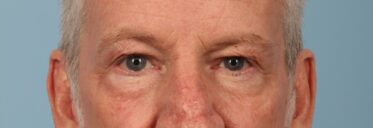
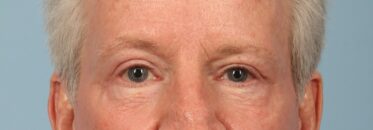
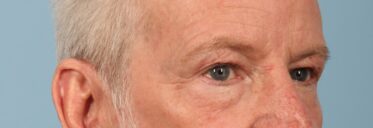
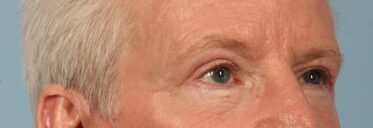
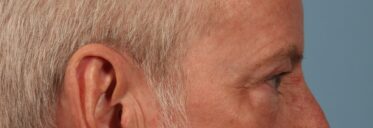
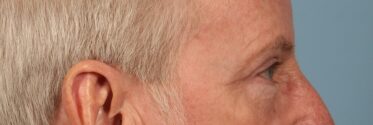
67 year old male shown before and after upper and lower eyelid contouring (blepharoplasty), facelift with necklift, fat transfer to the cheeks and temples, and earlobe reduction.
- Age: Over 55
- Body Area: Face
- Facial Area: Eyelids
- Gender: Male
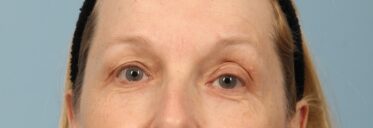
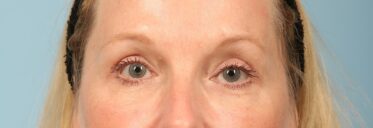
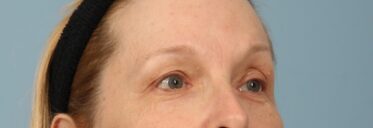
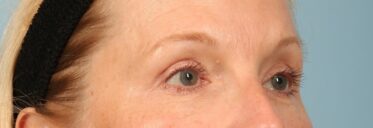
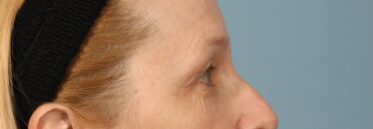
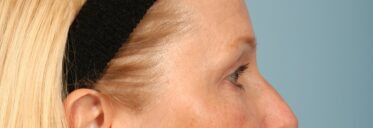
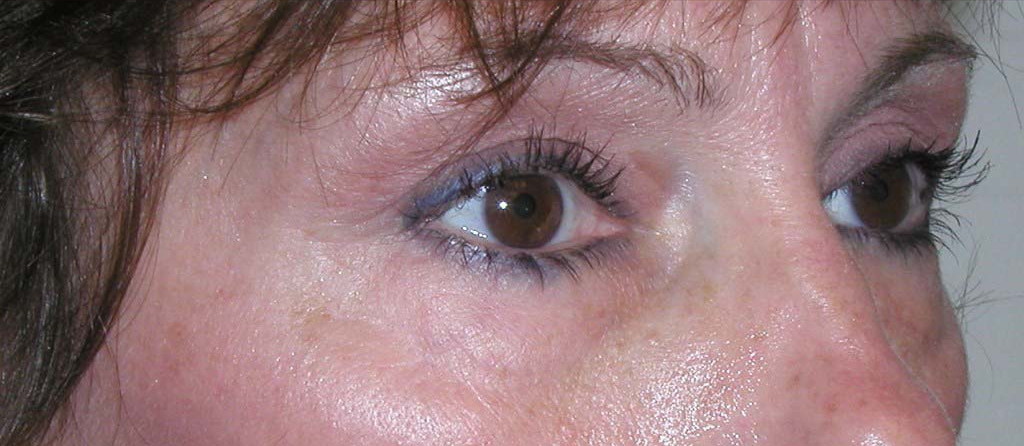
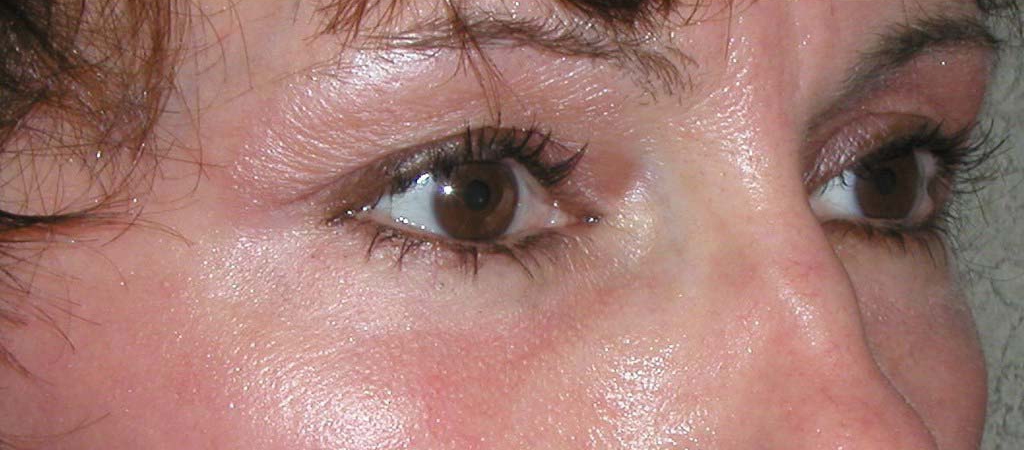
57 year old female wanted her eyes to look less heavy. She had an upper blepharoplasty to remove excess skin in the upper eyelids, as well as excess fat. Her photos are before and about 2 years after surgery, showing the added effects of persistent Botox use, as well as strategically placed Voluma (filler).
- Age: Over 55
- Gender: Female
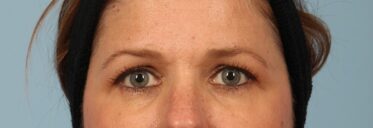
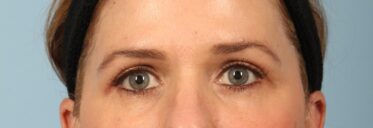
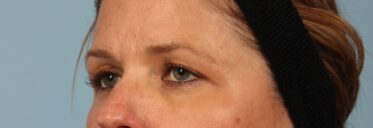
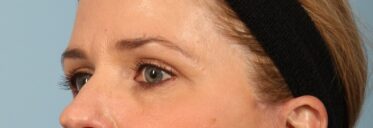
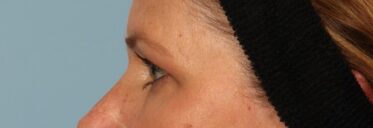
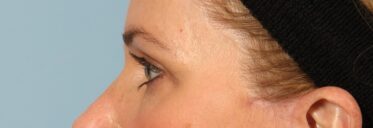
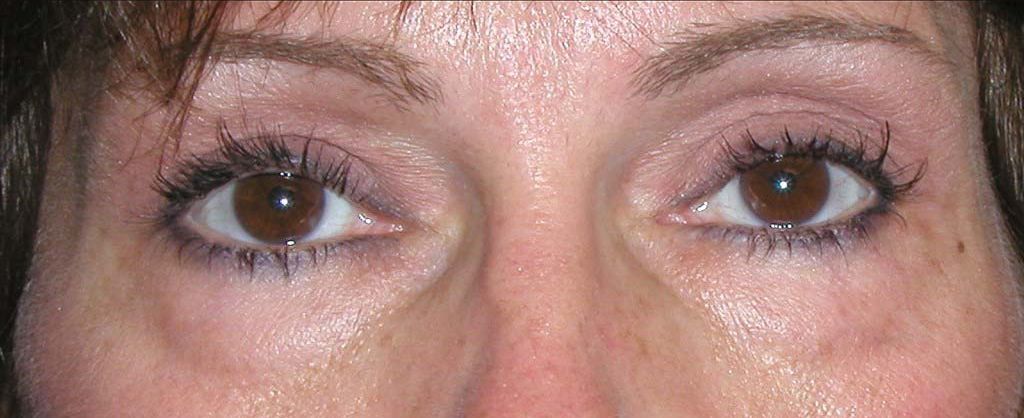
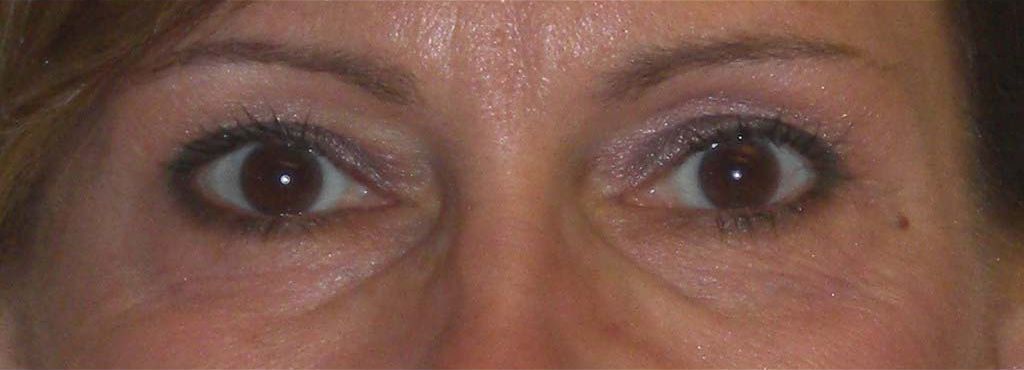
58 year old female desired eye rejuvenation. She is shown before surgery and after upper blepharoplasty
- Age: Over 55
- Gender: Female
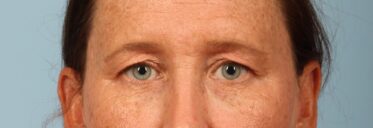
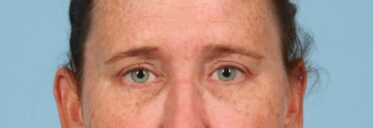
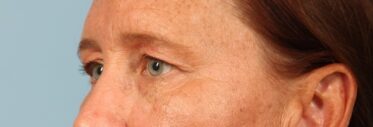
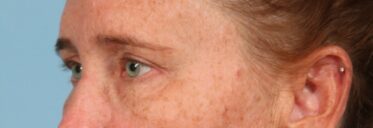
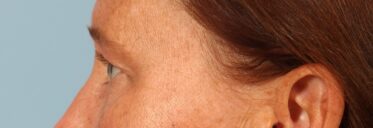
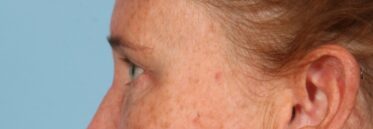
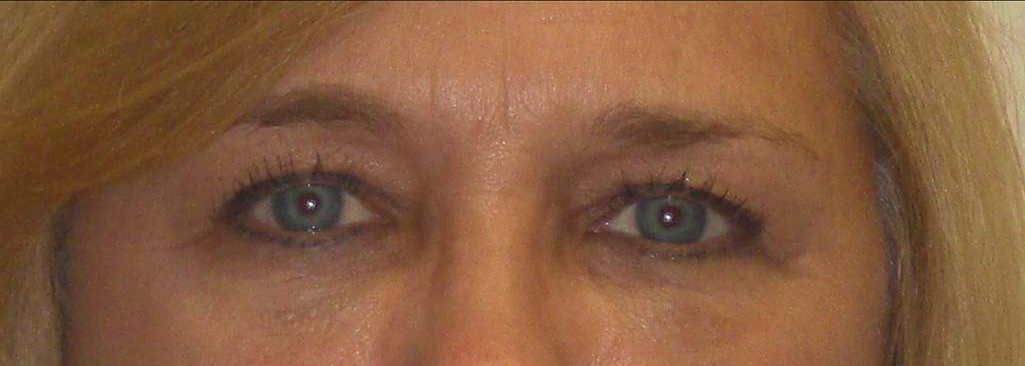
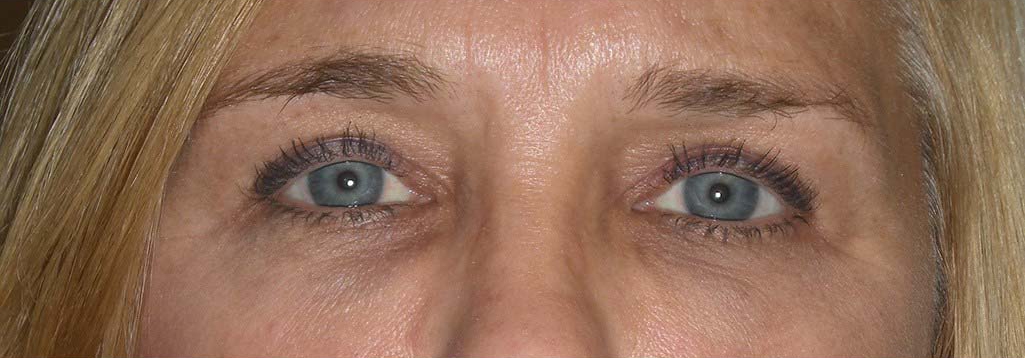
50 year old female wanted to improve the heaviness in her upper eyelids. She is shown before and after an upper blepharoplasty to remove excess skin and fat from the upper eyelids.
- Age: 41 - 55
- Gender: Female
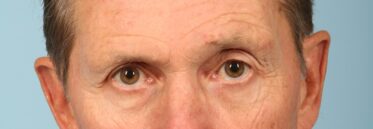
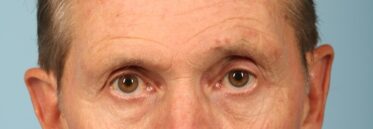
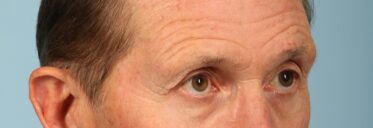
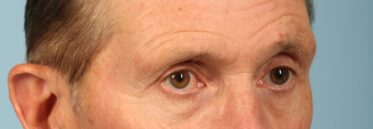
69 year old male wanted to improve the heaviness of his upper eyelids. He is shown before and after upper blepharoplasty surgery to remove excess skin and fat from the upper eyes.
- Age: Over 55
- Gender: Male
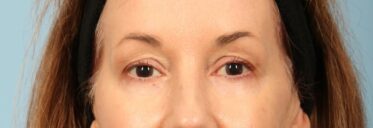
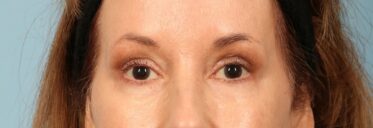
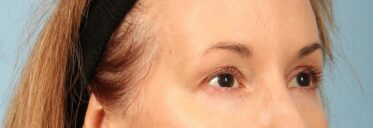
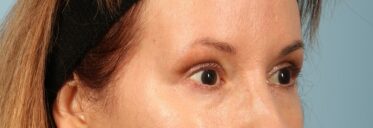
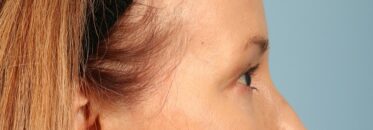
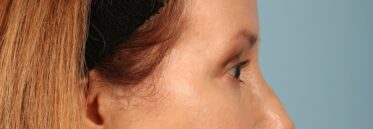
60 year old female desired more youthful eye contour. She is shown before and after upper blepharoplasty (eyelid surgery to remove excess skin and fat).
- Age: Over 55
- Gender: Female
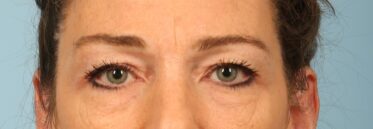
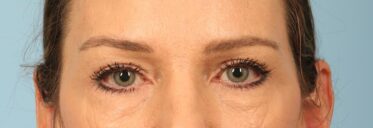
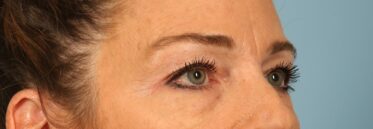
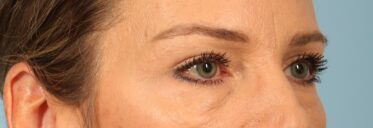
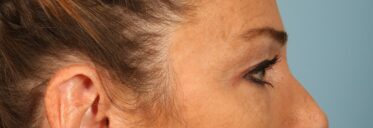
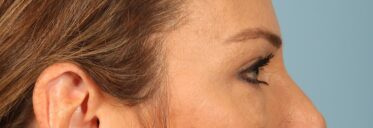
52 year old female desired eyelid rejuvenation, as well as abdominal contouring. She had an upper blepharoplasty to remove excess skin and fat from her upper eyelids, and she had a mini-abdominoplasty (tummy tuck) and liposuction to shape her waist, all done at the same time.
- Age: 41 - 55
- Gender: Female
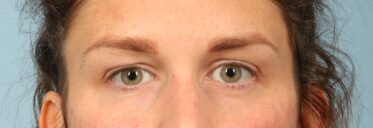
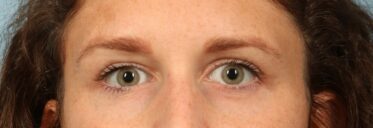
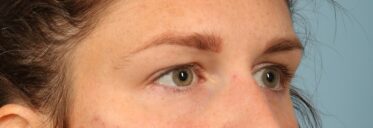
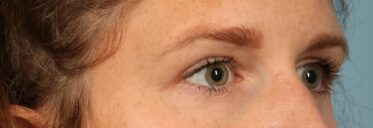
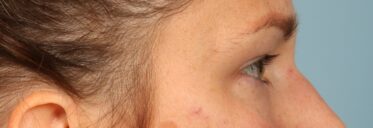
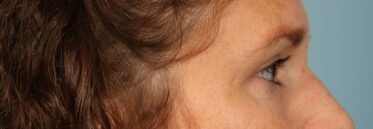
35 year old female inherited heavy eyelids from her family and wanted them addressed. She is shown before and after an upper blepharoplasty to remove excess skin and fat from the upper eyelids. The surgery was done in the office under local anesthetic.
- Age: 25 - 40
- Gender: Female

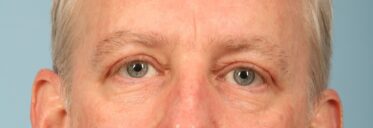
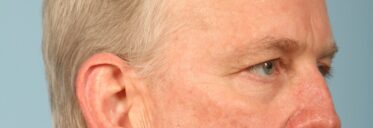
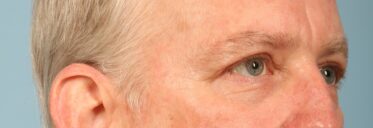
56 year old male desired upper eyelid contouring to relieve heaviness. He is shown before and after upper blepharoplasty to remove excess skin and fat from the upper eyelids.
- Age: Over 55
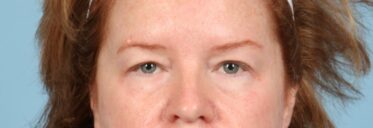
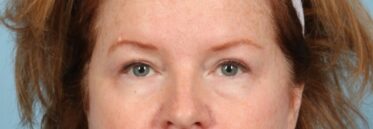
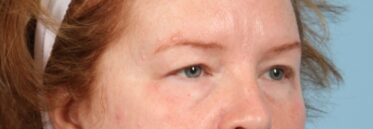
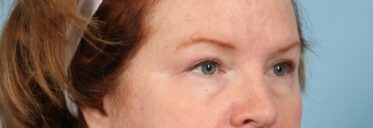
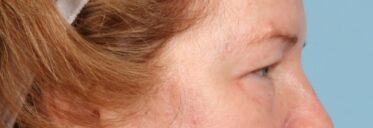
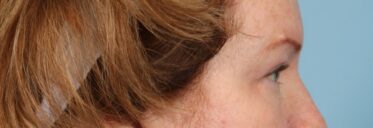
52 year old female wanted to unweight her upper eyelids to give her eyes a more open appearance. She is shown before and after upper blepharoplasty to remove excess skin and fat from her upper eyelids.
- Age: 41 - 55
- Gender: Female
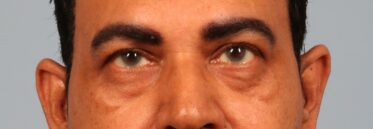
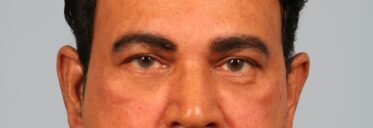
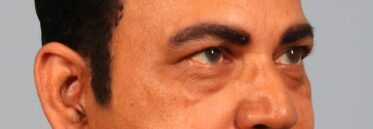
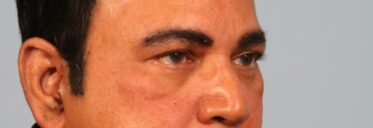
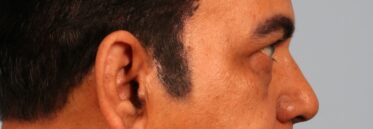
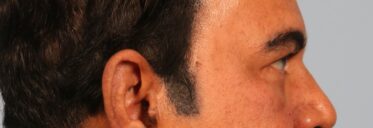
57 year old male desired lower eyelid rejuvenation. He is shown before and after transconjunctival lower blepharoplasty, which is lower eyelid surgery to remove excess fat with the scar hidden inside the eyelid. He also had lateral retinacular suspension to lift the fullness in his cheek below his eyelids, as well as a canthopexy to support the corners of the eyes. Following this surgery, he had a total of 4 syringes of Voluma in his midface and tear troughs. The final photo set shows the transformation the filler accomplished for him after his surgery.
- Age: Over 55
- Gender: Male


54 year old female with heavy upper eyebrows and upper eyelids desired rejuvenation. She is shown before and after an upper blepharoplasty to remove excess skin and fat from the upper eyelids, as well as an endoscopic brow lift with endotine fixation.
- Age: 41 - 55
- Gender: Female


54 year old female with heavy upper eyebrows and upper eyelids desired rejuvenation. She is shown before and after an upper blepharoplasty to remove excess skin and fat from the upper eyelids, as well as an endoscopic brow lift with endotine fixation.
- Age: Over 55
- Gender: Male


45 year old female with heavy upper eyebrows and upper eyelids desired rejuvenation. She is shown before and after an upper blepharoplasty to remove excess skin and fat from the upper eyelids, as well as an endoscopic brow lift with endotine fixation.
- Age: 41 - 55
- Gender: Female


54 year old female desired eye rejuvenation. She is shown before and after upper and lower blepharoplasty to remove excess fat and skin from the upper and lower eyelids.
- Age: 41 - 55
- Gender: Female


60 year old female desired rejuvenation of her eyes. She is shown before and after upper and lower blepharoplasty to remove excess skin and fat from the upper and lower eyelids. She has also had consistent Botox treatments to her glabella (“11s”) and crows’ feet.
- Age: Over 55
- Gender: Female


42 year old female desired lower eyelid rejuvenation and facial balancing. Her primary focus is on aging gracefully and naturally. She is shown before after lower blepharoplasty to remove excess fat pads from the lower eyelids. She has also had consistent Botox treatments for her masseters (lateral lower cheek muscles) and glabella (11s), forehead, and crows’ feet.
- Age: 41 - 55
- Gender: Female


52 year old female desired contouring of her upper and lower eyelids, as well as more youthful lips. She is shown before and after upper and lower blepharoplasty to remove excess skin and fat from the eyelids. She also had 1 syringe of Volbella for lip rejuvenation without a lot of added volume. She also had 1 cc of Juvederm Ultra Plus to her nasolabial folds.
- Age: 41 - 55
- Gender: Female


66 year old female desired more youthful eye appearance. She is shown before and after upper and lower blepharoplasty, which removes excess skin and fat from the eyelids.
- Age: Over 55
- Gender: Female